What to know about the Dormition fast — when rules are relaxed and what to bring to church for blessing
The two-week Dormition (Uspenski) fast runs from 14 August to 28 August; strict rules apply but there are liturgical exceptions and pastoral allowances.
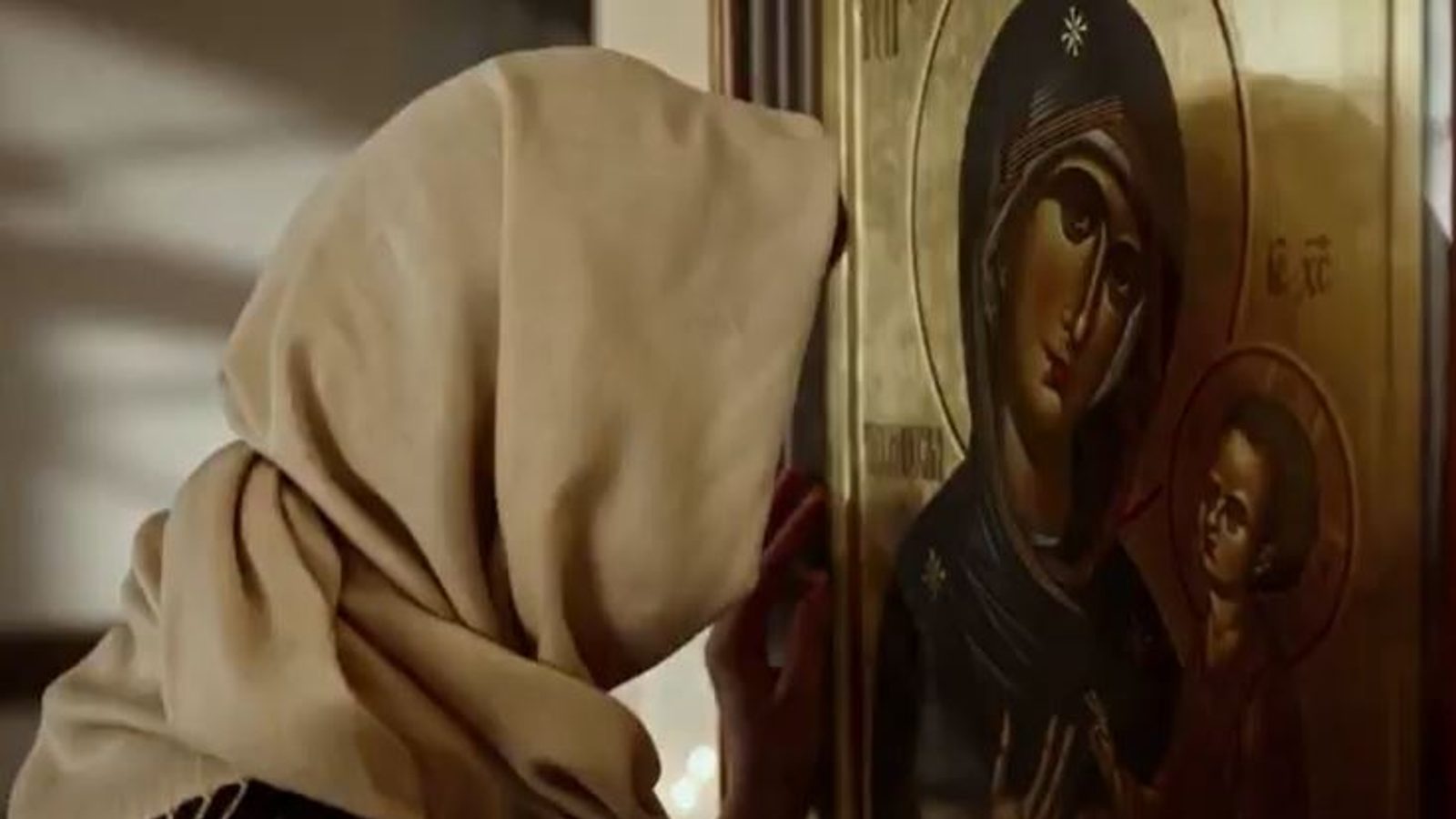
The Dormition fast (also called the Bogorodica or Uspenski fast) begins on 14 August and lasts exactly two weeks, ending on 28 August with the major Christian feast of the Dormition of the Most Holy Theotokos. Although the shortest of the four main yearly fasts, it is observed as one of the strictest in the Orthodox calendar, comparable in discipline to Great Lent.
Its roots stretch into early Christian antiquity: the first written references appear in the sermons of Saint Leo the Great, dated to around 450 AD. The fast’s fixed place in the calendar was confirmed at the Council of Constantinople in 1166, presided over by Patriarch Luke, when it was established that Orthodox Christians should fast during the period corresponding, on the modern Gregorian calendar, to 14–28 August (formerly 1–15 August by the older calendar).
Purpose and spiritual meaning
Church fathers such as Saint John Chrysostom warn that fasting must not be reduced to a mere diet. The Dormition fast is meant for spiritual purification, deeper prayer, repentance and struggle against passions. As traditional spiritual teaching puts it, "if fasting does not bring you correction and meekness, it is in vain." The fast is also an expression of love and veneration toward the Virgin Mary, regarded as the foremost intercessor for humanity.
August’s abundance of vegetables, fruits and mushrooms has led popular tradition to nickname the period "lakomka," and it makes the physical task of fasting easier than in harsher seasons. Monastic rules, however, remain strict and outline a daily rhythm: Monday, Wednesday and Friday are observed as dry days (no cooked food, only raw plant foods such as fresh or dried fruit, vegetables, nuts, seeds, bread and honey, eaten without oil); Tuesday and Thursday allow cooked dishes but strictly without added oil (boiled or baked vegetables, soups, potatoes, rice and porridges); and Saturday and Sunday permit food prepared with vegetable oil and moderate wine.
The fast forbids animal products throughout (except for the liturgical exceptions): meat, poultry, fish, dairy (milk, cheese, butter, cream) and eggs are not eaten. One important liturgical exception falls on 19 August, the Feast of the Transfiguration — a highly joyful day during the fast when the Church grants a blessing that allows fish and seafood, as well as oil and wine. It is customary on that day to bring grapes and apples to church to be blessed.
Popular customs are intertwined with agricultural practices: the fast’s beginning on 14 August coincides with the First Spas (Honey Spas), when new honey is blessed; 19 August is the Second Spas (Apple Spas), devoted to the blessing of fruit; and 29 August, the day after the fast ends, is the Third Spas (Nut or Bread Spas), linked to grain and walnuts.
Both clergy and medical professionals emphasize that bodily fasting should be adapted to individual health, age and pregnancy. People with chronic illnesses are advised to consult their priest and may receive a blessing to ease dietary strictness; the Church stresses that the primary goal is purity of heart, peace and love toward others.
Photo: printskrin Jutjub