Pablo Hernández de Cos chosen to lead the European Central Bank
European leaders agreed on Pablo Hernández de Cos to replace Christine Lagarde; he inherits the ECB amid 4% eurozone inflation and complex policy choices.
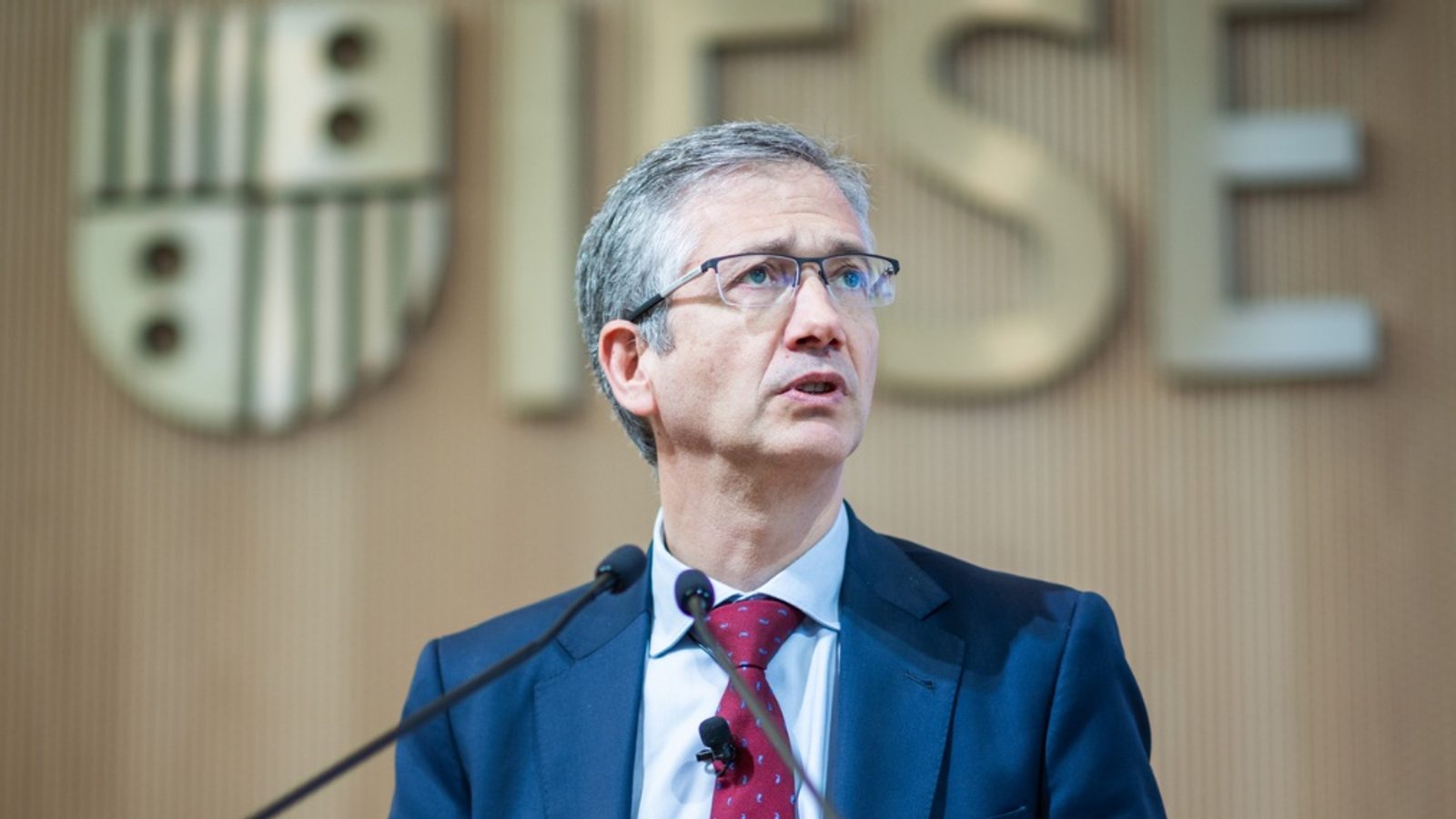
European leaders have agreed on Pablo Hernández de Cos as the next president of the European Central Bank (ECB), French President Emmanuel Macron announced after a consensus was reached.
Turning point: Dutch backing opened the path
Hernández de Cos will succeed Christine Lagarde at the head of one of the world’s most powerful financial institutions at a moment when the euro area faces renewed inflationary pressures and significant economic challenges.
The decision followed intense negotiations among European capitals; a decisive moment in the contest was the Netherlands’ choice to support the Spanish candidate, effectively clearing the way for Hernández de Cos over his Dutch rival Klaas Knot.
Hernández de Cos, 55, is regarded as an experienced central banker with a strong reputation in European financial circles. He served as governor of the Bank of Spain from 2018 to 2024 and currently holds the position of general manager at the Bank for International Settlements in Basel.
His record includes steering through several major shocks — the Spanish banking sector crisis, the Covid-19 pandemic and the inflation wave that forced the ECB into aggressive rate increases.
The choice is being read as a signal of continuity, but also as an opening for a more balanced monetary approach. He is seen as a pragmatic, moderate centrist who may be somewhat more flexible on interest rates than his Dutch rival Klaas Knot.
Ultimately, however, the ECB president does not set interest rates unilaterally. Monetary policy decisions are taken by the Governing Council, so the true test for the new leadership will be its ability to build consensus among the euro area’s varied economic interests while preventing inflation from re-accelerating without unduly hampering growth and government borrowing.
Photo: press material from the event