Latvia holds parliamentary vote amid fears of Russian hybrid attacks
Prime Minister Andris Kulbergs voted as Latvia faces heightened concern over possible Russian hybrid attacks and a fragmented political field seeking coalition solutions.
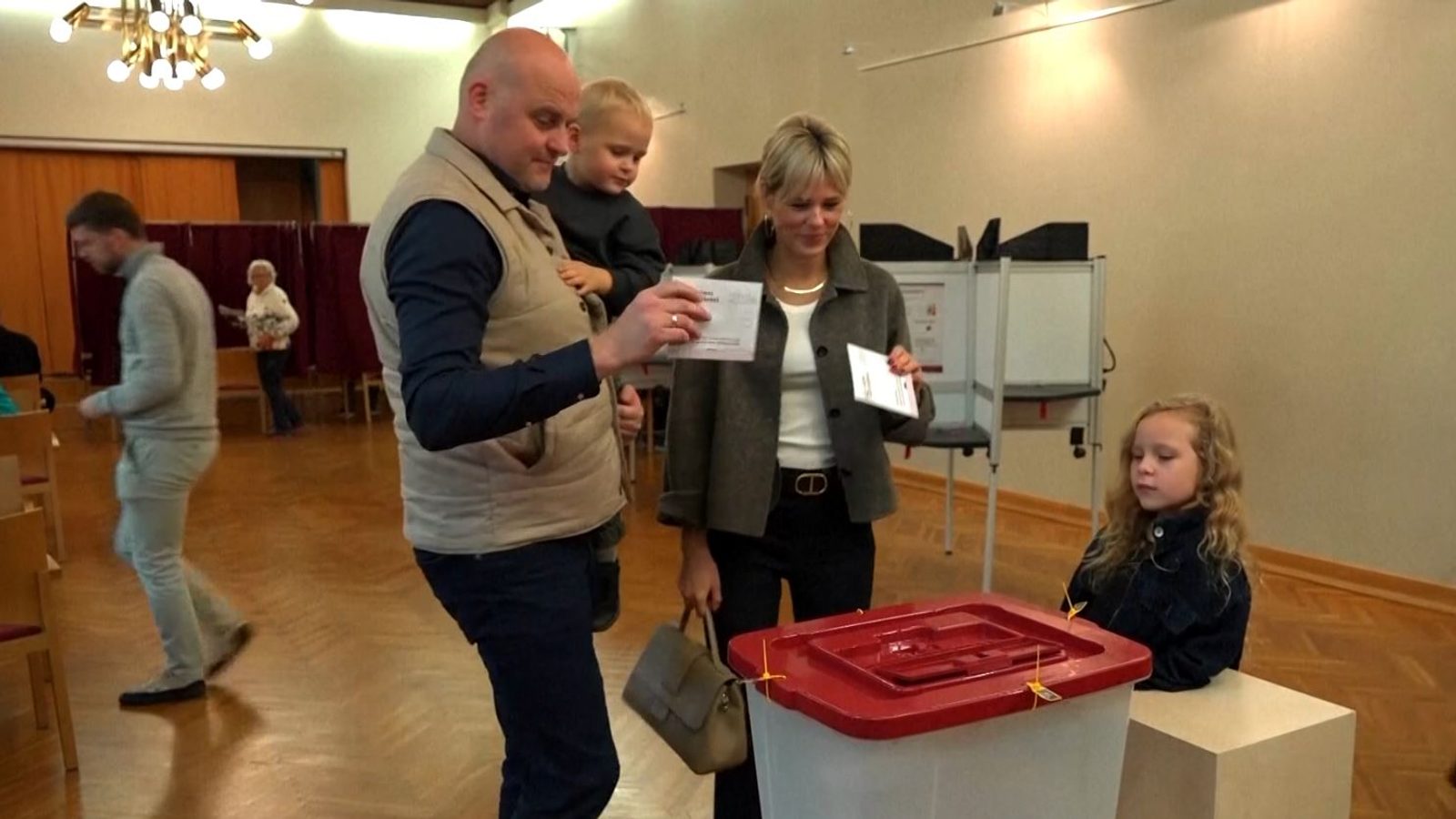
Latvia held parliamentary elections on Saturday under a cloud of concern about potential Russian hybrid attacks, as Prime Minister Andris Kulbergs cast his ballot in Riga and sought a fresh mandate.
The 47-year-old prime minister is asking voters to confirm his leadership after he assumed office following a political crisis in May that toppled the previous governing coalition. That crisis stemmed in part from disagreements over how authorities handled stray drones suspected of coming from Ukraine, alongside other contentious issues.
Coalition politics and security fears
Kulbergs leads a four-party coalition assembled in the Saeima and founded on the centrist United List, a grouping that had been in opposition prior to the government collapse. "I hope we will achieve a good result. That would give us the opportunity to make changes and steer Latvia on the right path in terms of defence and the economy," he told reporters after voting.
Like its Baltic neighbours Lithuania and Estonia, Latvia has been a staunch supporter of Ukraine in its war with Russia. Latvia shares borders with Russia and with Belarus, an ally of Moscow, factors that feed anxiety about cross-border influence and hybrid tactics.
Analysts expect no single party to win an outright majority in Latvia’s fragmented political landscape, making a multiparty coalition almost certain. Parties must pass a 5% electoral threshold to enter the 100-seat Saeima, whose members serve four-year terms.
Approximately 1.56 million people out of a national population of just over 1.8 million were eligible to vote to fill the Saeima’s 100 seats.
Photo: press material from the event