Spain’s Sánchez fights for political survival as polls foresee a tight race
A narrow race between the People's Party and the Socialists could change Spain’s policies on migration, defence and the Middle East.
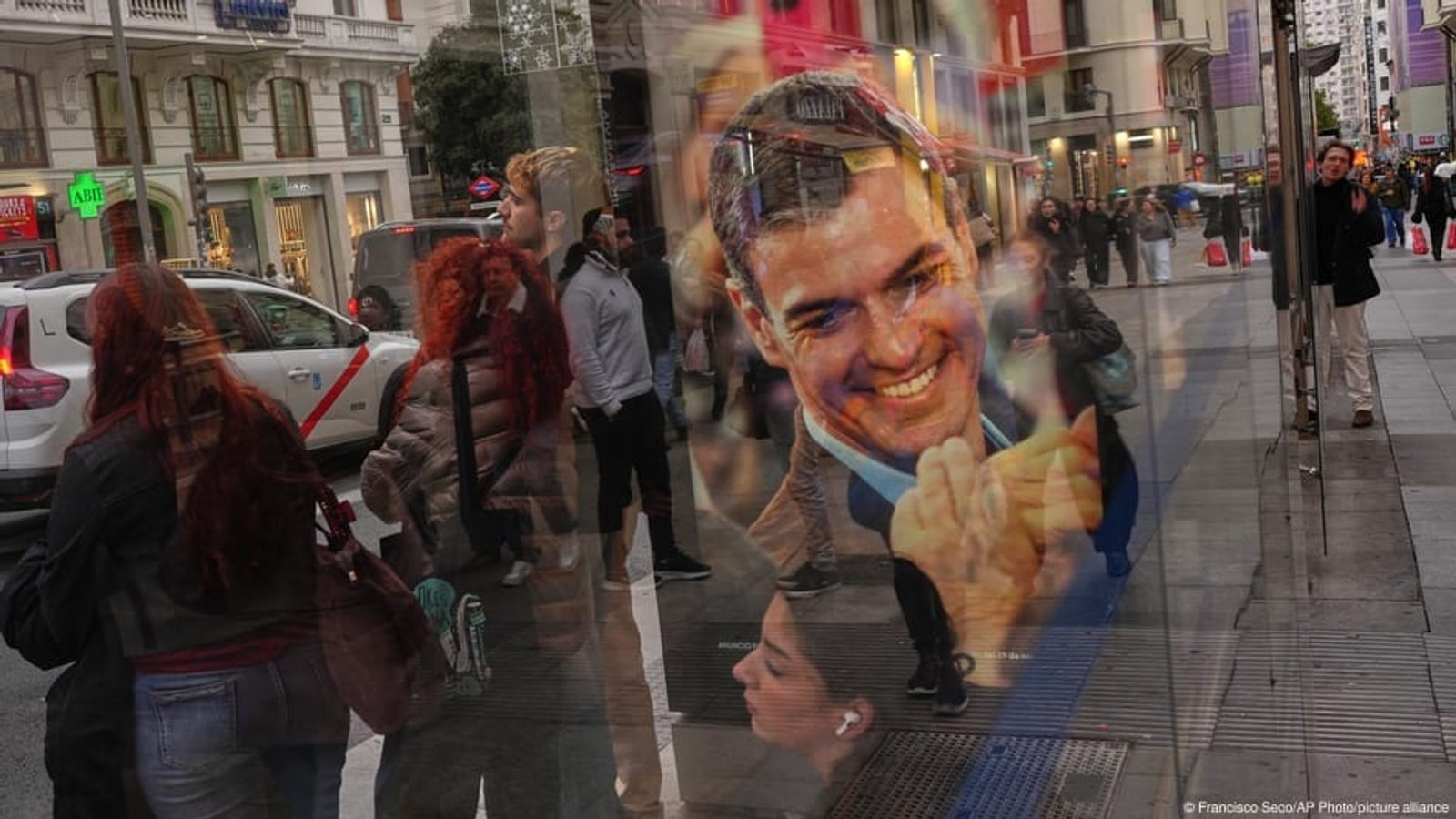
Spain heads to an uncertain election that could remove Pedro Sánchez from office and shift Madrid’s stance on migration, defence and the Israel–Palestine conflict — with ripple effects for the European left.
Recent polls point to an exceptionally tight race: the conservative People's Party (PP) is polling at about 32 percent, the Socialist Party led by Pedro Sánchez at roughly 31 percent, and the right‑wing populist Vox around 17 percent. Polling projections indicate that PP and Vox together could command an absolute majority — though the two parties would still have to decide whether to govern jointly.
What a change in Madrid would mean for Brussels
Analysts in Brussels warn that a defeat for Sánchez would mute one of the European left’s most influential voices. Javier Carbonell, a policy analyst at the European Policy Centre in Brussels, told reporters that "That voice could now fall silent." Carbonell singled out Sánchez’s positions on migration, defence spending and support for Palestinian statehood as particularly important.
Migration has been a central battleground in the campaign. Sánchez’s minority government faced criticism over its handling of the summer migration surge in Ceuta and faced corruption allegations directed at his party and his wife, both of which they have denied. Earlier this year Madrid opened a legalisation programme for migrants who already live in Spain and meet the criteria; the scheme received more than one million applications.
On defence, Spain lifted spending from 1.24% of GDP in 2024 to 2% in 2025, returning to NATO’s previous benchmark. Sánchez opposed NATO’s newer 2035 goal of 5% of GDP for defence and wider security investments, arguing Spain could meet its obligations by spending about 2.1% of GDP. Both the People's Party and Vox say they back higher defence budgets, without naming a specific target. "They have a voter base that has no problem with increasing defence spending, unlike Sánchez," said Camino Mortera‑Martínez, an associate at the Centre for European Reform.
Observers also expect a shift in Madrid’s Middle East policy if Sánchez loses. Spain officially recognised a Palestinian state in May 2024, and Sánchez has accused European leaders of double standards for rallying behind Ukraine but not applying the same insistence on international law in the Middle East. "The current government has been at the forefront of defending the last bastions of international and public law," Mortera‑Martínez said. "Sánchez managed to influence people on this issue, pushing the consensus slightly more in a pro‑Palestinian direction," Carbonell added.
Economic indicators have not sheltered Sánchez entirely from voter discontent. Spain’s economy grew by 2.6 percent last year — almost twice the Eurozone average — and the government expects GDP to expand by 2.6 percent this year and 2.2 percent in 2027. But a housing crunch that sparked mass demonstrations and a nationwide general strike on 11 November has fuelled public anger. Sánchez called early elections in early October, three days after the parliament rejected two emergency decrees aimed at tackling the housing crisis.
Should the PP and Vox gain power, analysts say Madrid could align with a broader European move toward tougher migration policies. Austria, Denmark, Germany, Greece and the Netherlands have already been in talks with Rwanda about centres for people whose asylum claims have been rejected — a model that could gain more traction if Spain shifts rightward at the ballot box.
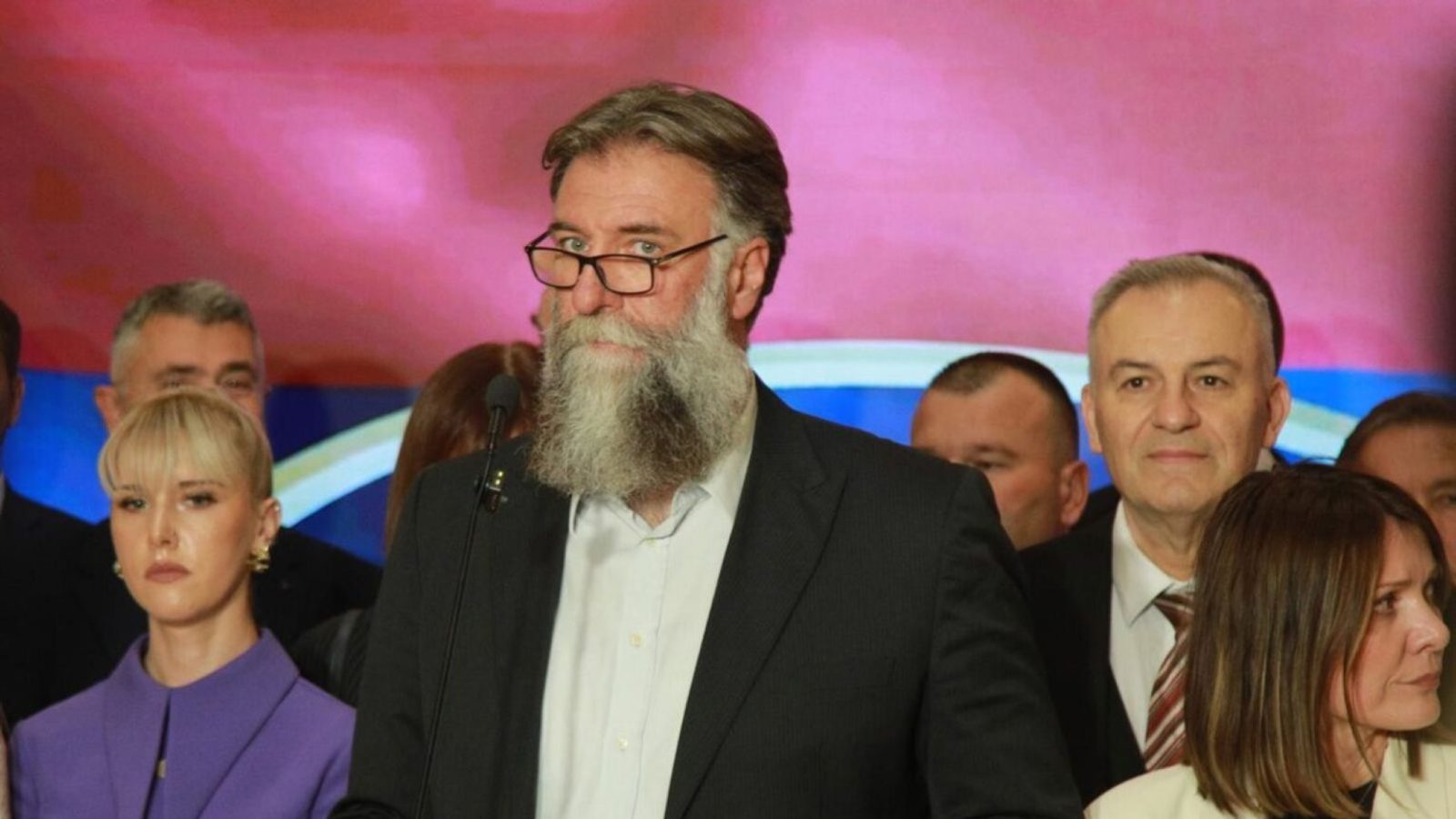
Photo: press material from the event