Pedro Sánchez calls snap election for 29 November amid housing and migration crises
Sánchez seeks a "much broader progressive majority" after his housing decrees failed in parliament; housing, Ceuta and Vox will shape the campaign.
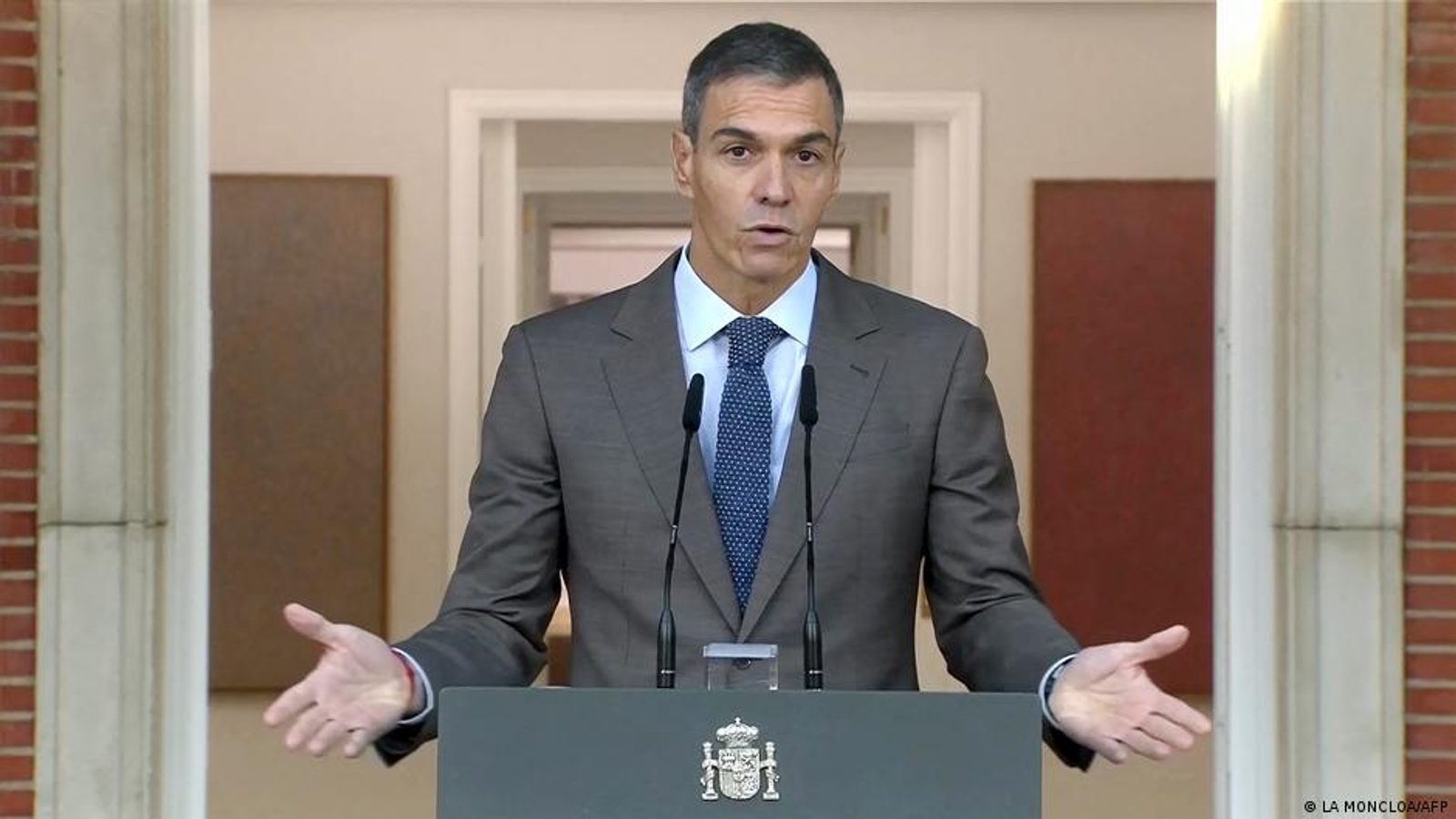
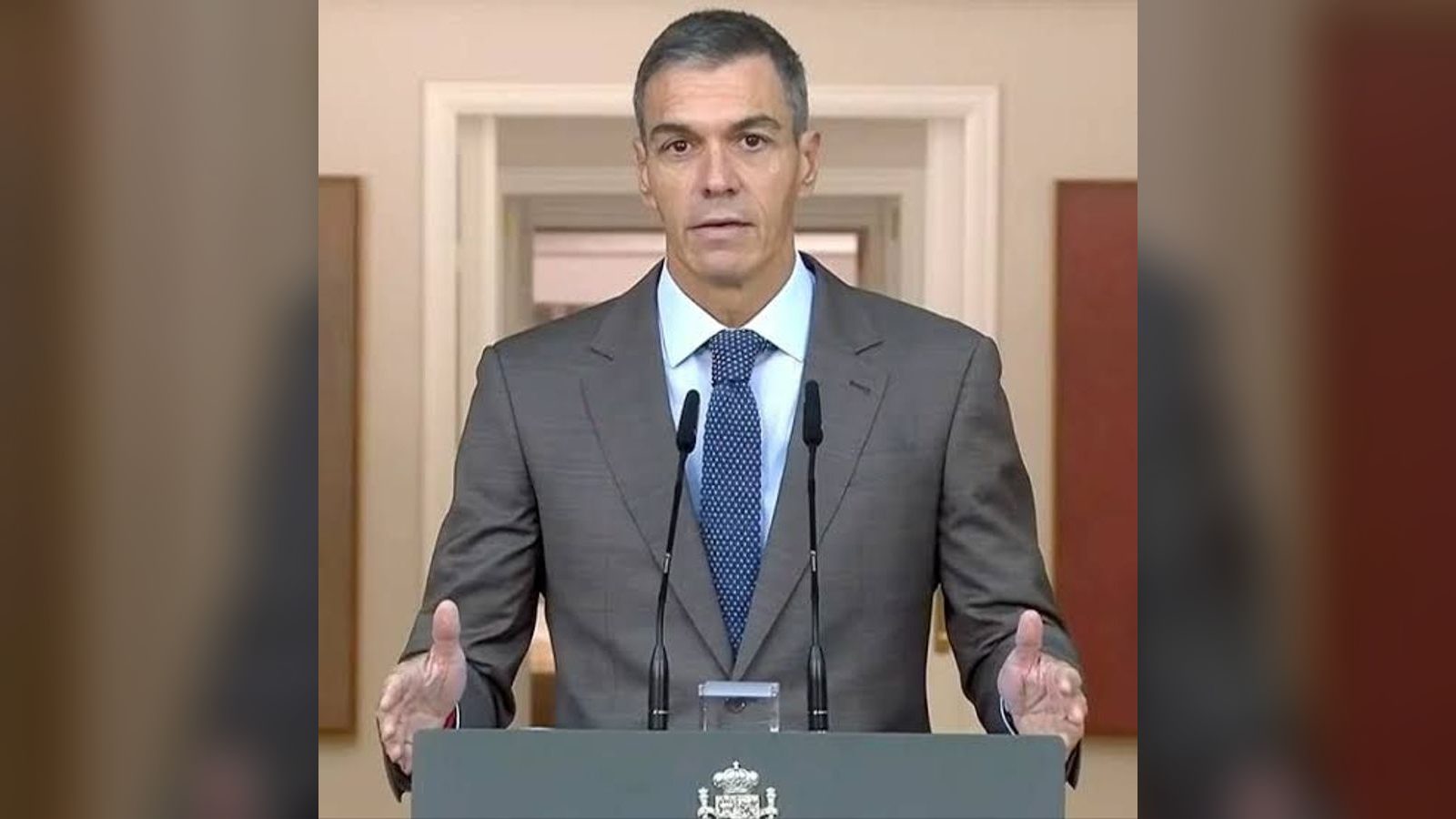
Spanish Prime Minister Pedro Sánchez surprised the political scene on Monday, 5 October 2026, by calling a snap parliamentary election for 29 November 2026. He framed the move as an attempt to build "a much broader progressive majority" after his government lost a key vote in the legislature.
Why Sánchez called elections
The decision followed a parliamentary setback on 2 October 2026, when Sánchez's emergency housing decrees failed to pass. Seven deputies from the Catalan separatist party Junts — whose support the government has relied on since 2023 — joined opposition MPs in voting down the measures. Sánchez said the defeat showed the need to seek a larger progressive coalition at the ballot box.
The setback came on top of other pressures: public anger over the eviction of 87-year-old Maricarmen Abascal, a high-profile migration crisis in Ceuta, and several corruption scandals involving members of the Spanish Socialist Workers' Party (PSOE) or people close to the prime minister. Sánchez has governed since 2023 without an absolute parliamentary majority, relying on a coalition with the leftist Sumar and votes from smaller regional parties.
Housing is likely to dominate the campaign. The Bank of Spain estimates Spain currently lacks about 750,000 homes and that the shortfall could exceed one million by 2028. More than half of people aged 18–34 live with their parents or depend financially on them; property prices have risen roughly three times faster than wages; and social housing accounts for only about 1.7 percent of the housing stock. The eviction of Maricarmen Abascal turned the issue into a focal point for protests across Madrid and other cities, and unions CCOO and UGT have threatened a 24-hour general strike in the autumn.
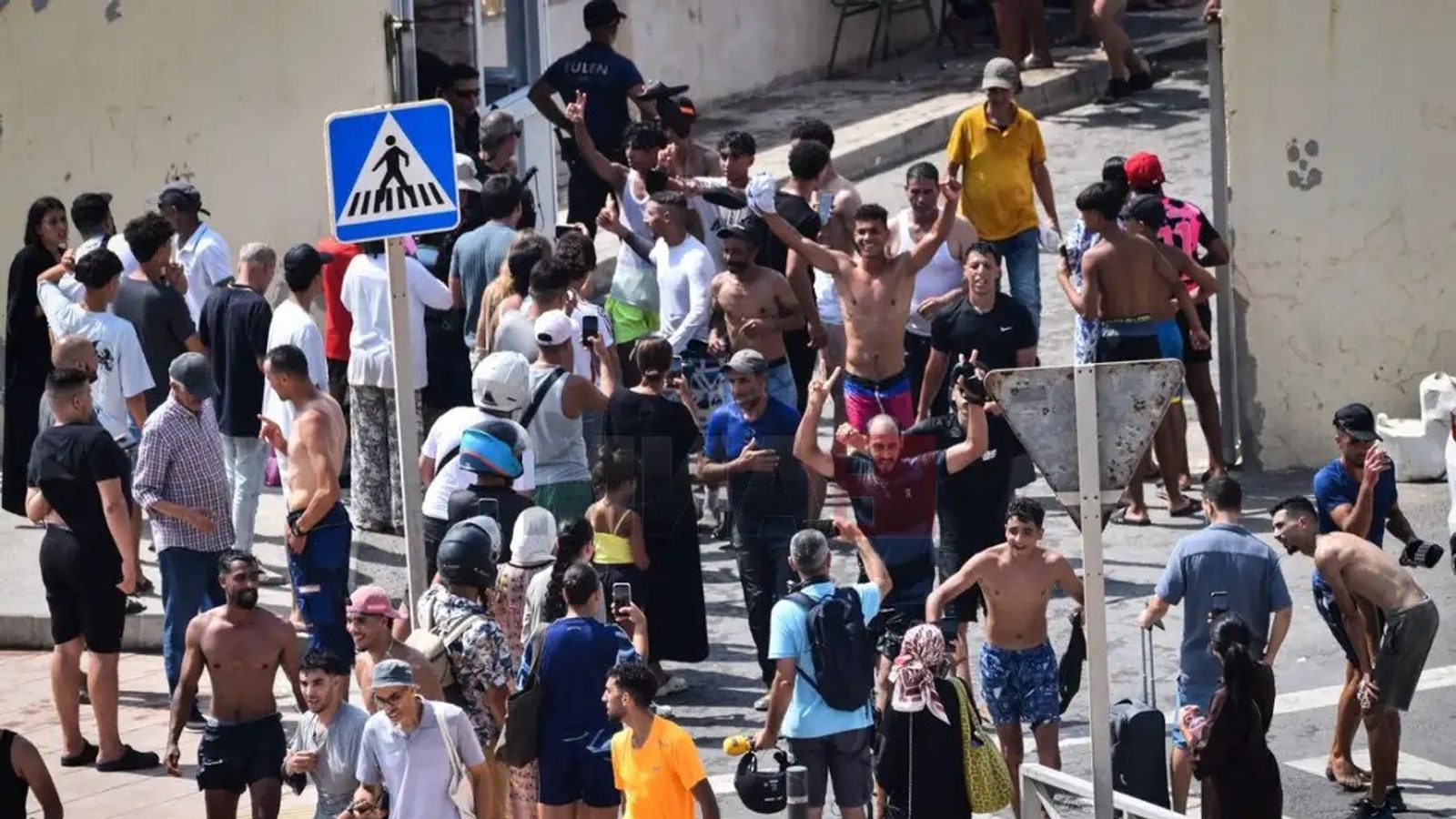
Migration will also be a central theme. In late July more than 70,000 people crossed from Morocco into Ceuta in a short period; despite government claims the emergency had ended, by early autumn at least 10,000 migrants still remained in the enclave of roughly 80,000 inhabitants. Police removed an improvised camp of about 3,000 people just last week. The episode pushed Sánchez to shift toward tougher migration rules in practice, including expedited asylum procedures and faster returns — proposals that have drawn sharp criticism from human-rights groups.
On the right, the conservative People's Party (PP) enters the campaign as the frontrunner to win the most seats, but the biggest electoral advance in recent months has been the right‑wing populist Vox. Polling now places Vox above 18 percent — roughly six percentage points higher than in 2023 — which raises the prospect that Alberto Núñez Feijóo of the PP could build a parliamentary majority with Vox's support. Vox leader Santiago Abascal is openly demanding priority for Spanish citizens, broad economic deregulation and a much tougher migration policy, including so‑called remigration.
The outcome will also resonate beyond Madrid. Sánchez has been one of the most vocal European critics of Donald Trump, opposing demands to raise defence spending to 5 percent of GDP, refusing to allow Spanish bases to be used in a hypothetical war with Iran and criticizing some U.S.–Israeli military actions. If the left loses power, the European Council would lose one of its most prominent social-democratic voices challenging Trump and advocating more liberal migration policies.
Photo: press material from the event