Pentagon seeks "new, creative and unconventional" ways to pressure Iran as military options narrow
CENTCOM emailed an unusual call for ideas as air strikes fall short and a full ground invasion remains off the table.
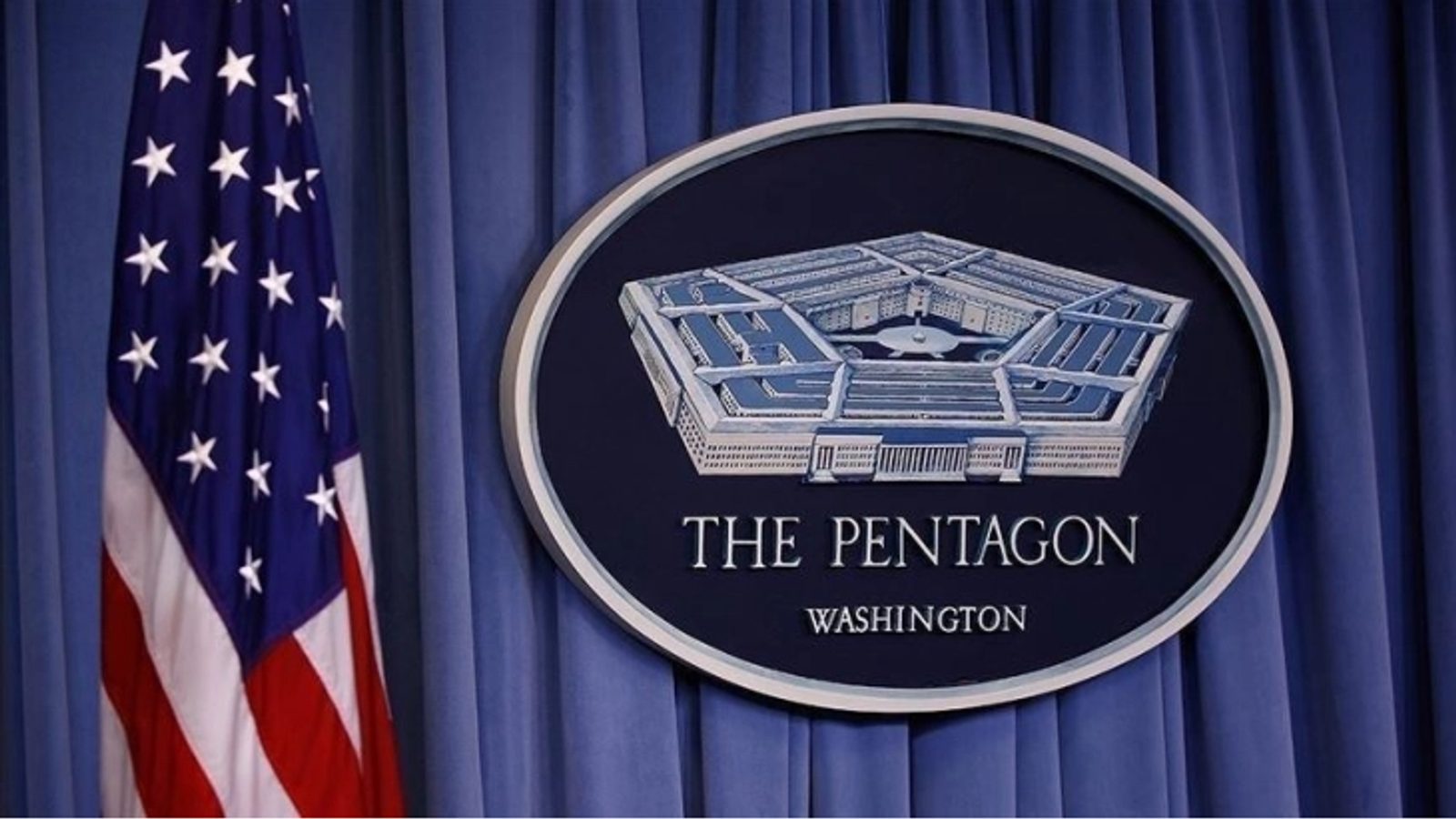
The Pentagon has asked analysts for "new, creative and unconventional" proposals to increase pressure on Iran after U.S. military options have narrowed, according to descriptions of a recent internal request. The appeal — sent by e-mail last week to a broader group of military analysts — reflects Washington's search for alternatives as sustained air strikes have so far failed to force Tehran to the negotiating table.
U.S. Central Command (CENTCOM) officials described the call for ideas as unusual. A CENTCOM spokesperson, Captain Timothy Hawkins, said the command has a long tradition of innovative thinking and that the current commander, Admiral Cooper, regularly encourages personnel of all ranks to offer solutions.
Options limited by operational and political constraints
White House officials threatened new attacks on Iran but delayed action after interventions by regional leaders, including the Saudi crown prince. In parallel, American intelligence assessments conclude that bombing alone is unlikely to alter Iran's position significantly despite weeks of air operations aimed at degrading Iranian capabilities.
Gen. Dan Keane, chairman of the Joint Chiefs of Staff, has publicly acknowledged that "air power has its limits." Pentagon planners have prepared a range of escalation scenarios, from an intensified air campaign against Iranian missile forces to strikes on underground nuclear sites — the latter of which U.S. officials say are buried so deeply that destruction with conventional weapons is unlikely without deploying ground forces.
One option under consideration is a series of limited, largely symbolic air strikes that could allow President Donald Trump to claim success and begin to withdraw, without accomplishing the stated objective of fully eliminating Iran's nuclear program. Officials warn, however, that escalation carries serious risks: depleting U.S. air-defense stocks, potential large civilian casualties if infrastructure is hit, and continued contention over the Strait of Hormuz, a key oil transit route where Iran keeps pressing its demands.
As one U.S. official involved in internal discussions put it, the White House is seeking a path that will apply strong pressure on Iran while also producing a deal that allows the administration to close the confrontation. At least one source said Trump had planned an attack on Iran that would have been "the largest since World War II."
Photo: EPA/LAURENT GILLIERON / POOL