5 houseplants you should not keep in the bedroom
Their scent, pollen or sap can trigger headaches, nausea, allergies and restless sleep.
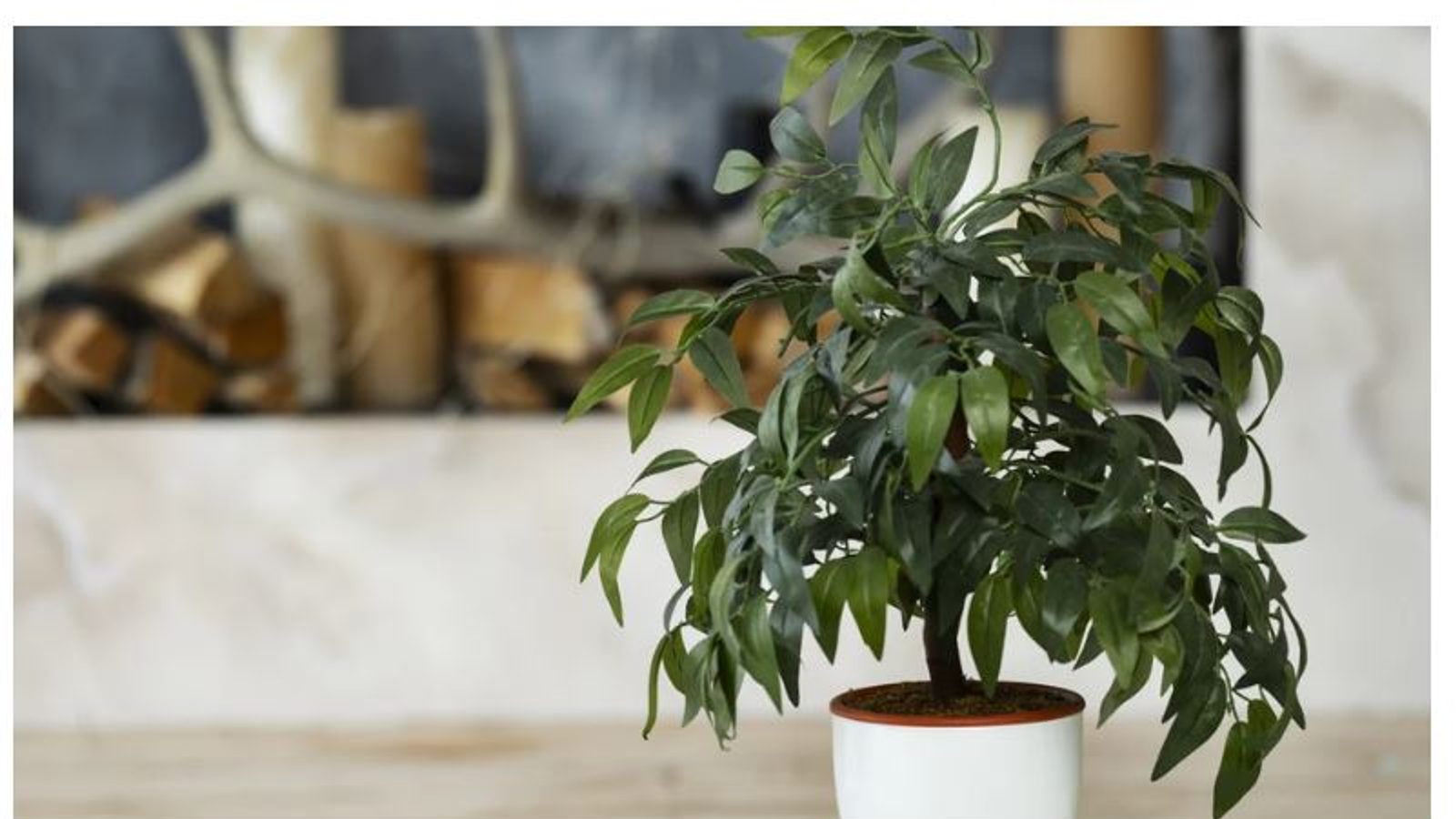
Bringing potted flowers into the bedroom can seem harmless, but some common houseplants release substances that affect sleep and wellbeing. The causes range from very strong fragrances and volatile organic compounds to pollen allergens, irritating sap and even mold that grows in overly damp soil.
Which plants can cause problems — and why
Geranium (pelargonium) releases concentrated essential oils from its leaves and blooms. In sensitive people that aroma can provoke nausea, severe headaches and symptoms similar to allergic rhinitis. If the plant sits in a sleeping area, people may wake more often and sleep less deeply; moving it to a well-ventilated space such as a kitchen or an enclosed balcony usually solves the issue.
Gardenia produces a dense, very sweet scent while in bloom. In a closed room the concentration of fragrant compounds can become excessive, sometimes causing dizziness and difficulty sleeping. It is advisable to keep gardenias out of bedrooms during the flowering period and place them in larger, regularly aired living spaces.
Ficus benjamina can provoke coughing and breathing difficulties in people with asthma or allergies, and its sap may irritate skin when the plant is trimmed. To reduce risk, wipe leaves with a damp sponge regularly and avoid placing the pot near the bed or a workspace. For households with allergy-prone members, replacing figs with a more neutral species such as chlorophytum (spider plant) is a safer option.
Hyacinth emits an intensely sweet fragrance that for some people causes nausea and a sensation of pressure in the temples. Keep hyacinths away from resting areas, ventilate the room frequently while they are flowering, and consider moving the pot to a cool place during bloom.
Chrysanthemums are particularly problematic because their pollen is a well-known allergen. Potted chrysanthemums can trigger allergic rhinitis, itchy eyes and general malaise similar to the early stages of a cold. When such reactions occur, the only practical solution at home is to remove the plant, since its sticky pollen spreads easily and is hard to contain indoors.
Photo: press material from the event