Péter Magyar opens communist‑era 'agent' files
From November 4 the government is publishing registers with names of informants — a move that renews debate over responsibility and the past.
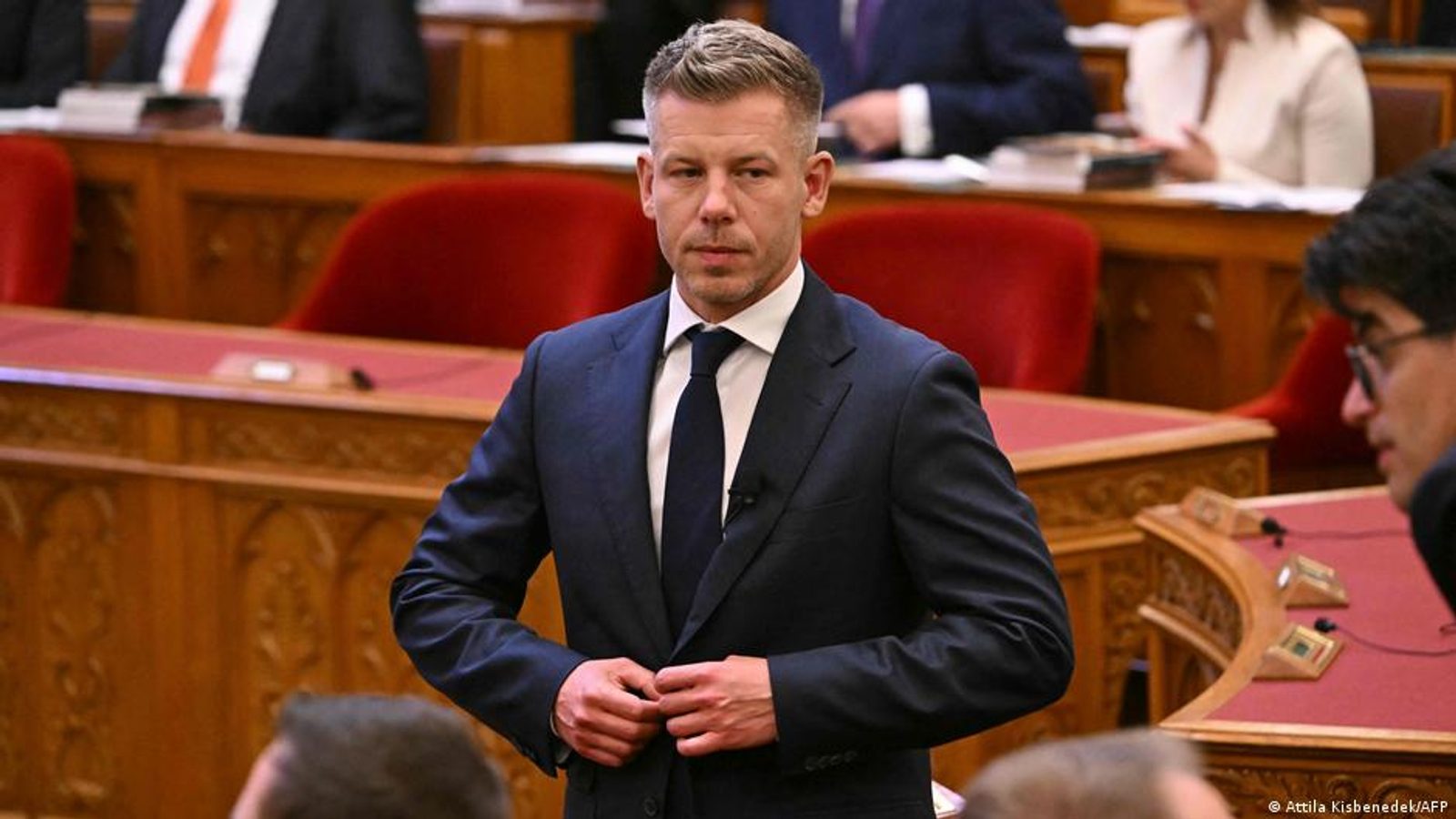
On November 4, 2026, the government of Prime Minister Péter Magyar began publishing long‑closed registers from Hungary’s communist secret police that list people who at some point were recorded as informants or contact persons. The move — fulfilling an election pledge by Magyar and his Tisza party — makes available databases that historians and families have long sought, but which also risk stirring painful discoveries.
November 4 is a loaded date in Hungary’s modern memory: it marks the day in 1956 when Soviet troops crushed the anti‑communist uprising. Decades of one‑party rule that followed relied on the state security apparatus to monitor and recruit networks of informants — sometimes knowingly, sometimes without the recruited person’s knowledge.
Magyar’s government announced that from November 4 the archive will publish so‑called “agent files” (including the Form‑6 cards used to register recruited persons), and that additional registers — notably the more detailed B‑dossiers — will follow by the end of February 2027. The prime minister framed the step as a systemic reform: "We are fulfilling one of Tisza's most important promises and on November 4 we are publishing the agent dossiers of the socialist dictatorship. This is a belated, difficult and sensitive issue that will affect many families. But without this there can be no change of the system," he wrote on Facebook.
Opening the files closes a long chapter of legal and political debates. Partial access has existed since the 1990s: a 1994 law created mechanisms to review public officials, citizens could request to see their own files since 1997, and broader access expanded from 2003. But legal loopholes allowed ministries to block transfers of material to the independent Historical Archives of the State Security (ÁBTL), and archival releases were sometimes used selectively in political fights. Fidesz — Hungary’s dominant party for much of the 2010s and early 2020s — voted against opening the archives repeatedly, according to media tallies.
What will appear and what to watch for
The government said the newly published databases will include the “Form‑6” registration cards and other indices often called the “boxes number six,” while the voluminous B‑dossiers — compiled by the handling officers and sometimes running to hundreds of pages — will be posted in the coming months. Officials and archivists estimate the public lists could name some 50,000–60,000 people, within a broader estimate of up to 150,000 individuals who at various times were registered with state security.
ÁBTL director Gergő Bendegúz Cseh cautioned the public about the limits of the documents: "You should not believe everything that the state security organs and their archives claim." He emphasised that records are often incomplete, sometimes inaccurate, and that a number of files were destroyed before or during the regime change.
Reactions among historians and commentators split. János M. Rainer, an expert on Hungary’s dictatorship, said the publication would have had greater practical effect if it had taken place immediately after 1989–90 and called the current move largely symbolic. By contrast, historian Krisztián Ungváry welcomed the opening and argued it will enable new research and public debate. "Hungary needs such debates," he said, adding that "societal lies inevitably lead to a strained relationship with politics. The price for that was 16 years of Fidesz rule." Ungváry also urged consideration of lustration measures restricting former state‑security personnel from holding certain public offices.
Analysts note the political logic for Magyar. The files were a clear campaign promise and fit his emphasis on coming to terms with the communist past and with the recent years of Hungarian politics. The databases are likely to prompt searching of public figures’ backgrounds: among those discussed in public debate is József Horváth, a former professional official in a department that monitored domestic opposition, who later served in intelligence and advisory posts.
Authorities say they will also offer support to those affected and that the archive will accept contextual requests to clarify the meaning of individual entries. Yet archivists and historians warn that publication without careful contextualisation can mislead — the registers record recruitment, suspicion or contact in many different forms, and a name on a list does not by itself prove culpability.
Photo: press material from the event