Serbia after the vote: arrests and corruption probes put institutions to the test
Rapid arrests and reopened corruption cases after the 25 October vote put prosecutors and courts under pressure to deliver lasting accountability.
Serbia's post-election weeks have been marked by a rapid series of arrests and newly opened criminal investigations targeting corruption and the misuse of public office. The developments test whether prosecutors and courts will translate those actions into lasting accountability.
Political turnover and a fast-moving law‑enforcement push
The shift began to draw intense public attention after an Air Serbia flight JU134 bound for Moscow turned back while over Lithuanian airspace. Among the passengers were former defence and interior minister and ex-director of the Security-Information Agency Aleksandar Vulin, long‑time Srbijagas director Dusan Bajatovic, and minister without portfolio Nenad Popovic. Unofficial media reports say the return followed a security lapse: Vulin allegedly boarded without the mandatory security check.
Vulin has been under U.S. sanctions since 2023 for "corrupt and destabilizing activities, abuse of public office and ties with a Serbian arms trader." He has told reporters he was travelling to Moscow on official business to discuss extending a gas contract with Russia. Bajatovic said he did not know why Vulin and Popovic were travelling and that they would not attend scheduled meetings on gas supply.
Those episodes took place against the backdrop of a political earthquake: on 25 October the Student List defeated the Serbian Progressive Party (SNS) in a parliamentary vote, ending SNS and Aleksandar Vucic's 14‑year dominance. In the days that followed, prosecutors reopened older cases and launched new inquiries covering alleged vote‑buying, corruption and procurement rigging.
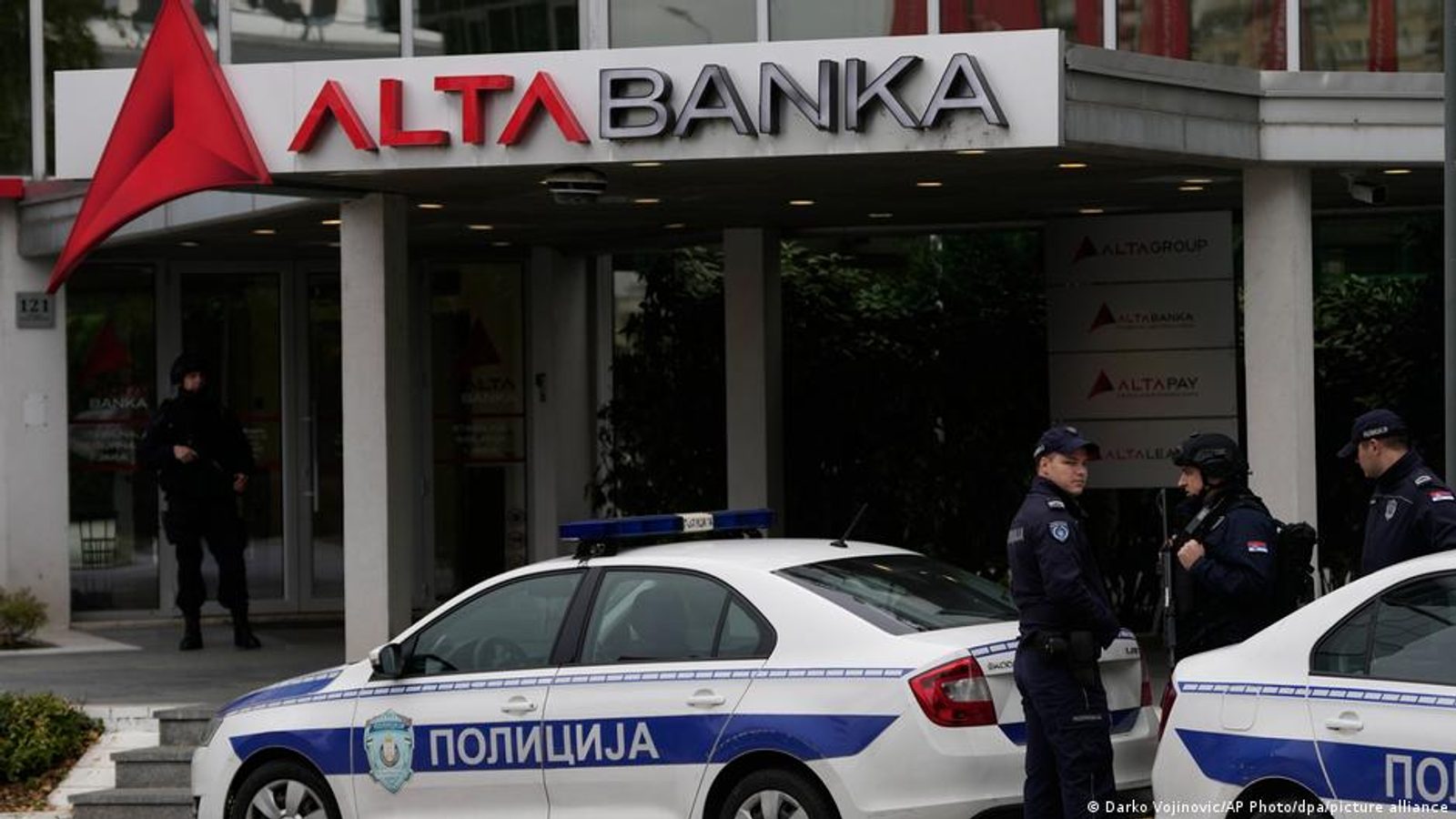
Arrests already reported include four people in Novi Sad accused of buying votes, and six people in Mali Zvornik detained on suspicion of facilitating Bosnian citizens to register residence in Serbia in order to vote. The owner of Alta Bank, Davor Macura, was arrested on suspicion that he removed roughly 45 billion dinars from the bank vault after the National Bank of Serbia revoked the bank's licence and initiated bankruptcy proceedings. Macura had been publicly linked to SNS and his bank carried large state contracts and many Russian clients.
Prosecutors also detained senior police officials, the director of the Republic Hydrometeorological Service and managers of public companies on allegations of abuse and manipulated public tenders. Reports and recordings have emerged suggesting potential removal or destruction of official records at state bodies and public enterprises.
Supreme Public Prosecutor Zagorka Dolovac issued a mandatory instruction on 29 October ordering chief public prosecutors to ask police to take urgent steps to prevent destruction of official files. The Student List asked public servants and journalists to report any attempted destruction of documentation during the transitional period.
Legal professionals quoted in public debate warn that speed must not trump quality. Prosecutor Bojana Savovic told interlocutors: "This is a sad picture of our prosecution," and warned the sudden flurry of cases risks appearing as an attempt to ingratiate with the new authorities. Future MP Tanja Arsic said: "When the rule of law is wanted and something is to be done, it is possible. And our regulations allow it. Only, apparently there were brakes in the whole system, who moved files into drawers and left them unresolved." Arsic also cautioned that "it would be tragic if the biggest expected arrests were prosecuted without enough evidence, or the accused faced charges far smaller than the offences they actually committed."
Ultimately, observers say the real test will be verdicts that become final and, where appropriate, permanent confiscation of assets obtained through crime. Without durable judicial outcomes and structural reforms in courts, prosecution and security services, the surge of post‑election cases may remain a transient struggle over control of institutions rather than a durable break with the old system.
Photo: Palatata na pravdata vo Belgrad