Judicial Council urges restraint after Constitutional Court intervenes in 27 April case
Judicial Council and Association of Judges call for careful handling of a non‑final civil ruling after the Constitutional Court raised concerns.
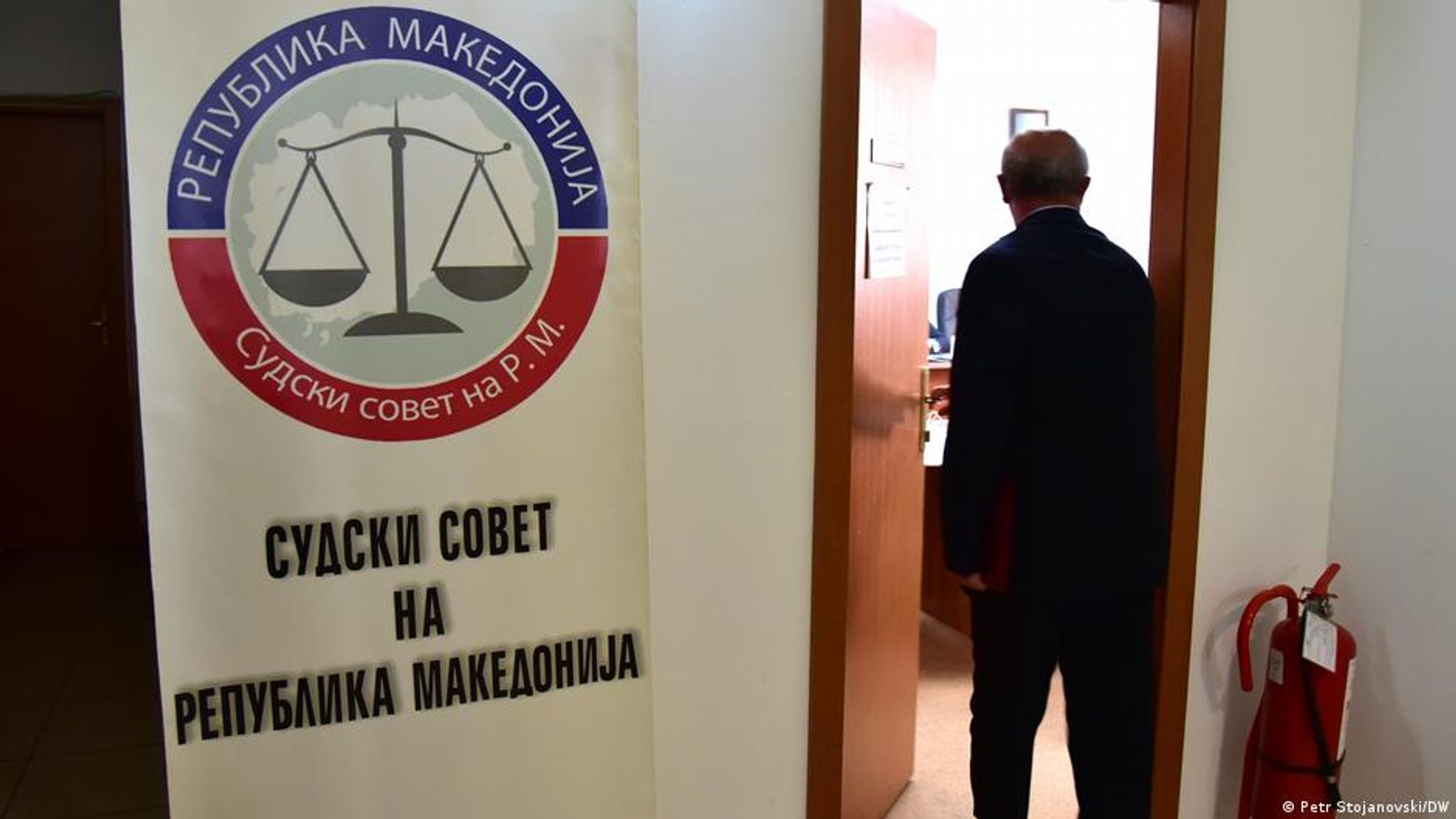
Judicial authorities in North Macedonia publicly replied to a recent intervention by the Constitutional Court in a long-running case linked to the 27 April 2017 breach of Parliament, urging restraint while the appeals process continues.
In a joint statement issued on 11 August 2026, the Judicial Council and the Association of Judges warned that any institutional action related to a court decision that is not yet final must avoid creating the impression of prejudging the outcome or putting pressure on the judges handling the case.
Balance between constitutional review and trial independence
The Judicial Council stressed that the contested ruling in question is a decision by the Basic Civil Court in Skopje that remains subject to appeal. "The procedure is ongoing, and assessment of the legality of the first-instance decision belongs exclusively to the competent second-instance court," the institutions said, asking that care be taken not to disrupt the course of proceedings.
The reaction followed a move by the Constitutional Court to alert the Prosecutor's Office and the Judicial Council that a judge at the Skopje civil court had not implemented one of its earlier rulings. While the Council and judges' association underlined their full respect for the Constitutional Court's status and the binding nature of its decisions, they emphasised that this must be balanced with respect for judicial independence, the statutory conduct of proceedings and the right to all available legal remedies.
The case stems from allegations made by journalist Natasha Stojanovska about threats and intimidation while reporting from the Parliament on 27 April 2017. According to the Constitutional Court, the lower-court judge rejected that decision as a new piece of evidence; the judge cited provisions of the Law on Civil Procedure, arguing that a Constitutional Court decision cannot serve as a new fact or evidence that would reopen proceedings. The Constitutional Court invoked a mechanism to protect the implementation of its rulings, saying finality and enforceability of its decisions must be respected.
In their statement, the Judicial Council and the Association of Judges said they remain committed to strict observance of the Constitution, the laws and the rulings of the Constitutional Court, while also defending without compromise the independence of the judiciary, the right to a fair trial and the uninterrupted functioning of legal remedies.
Article by Daniela Trpchevska-Zafirovska.
Photo: press material from the event