U.S. expands export controls on advanced AI chips to Malaysia, Singapore, Indonesia, Thailand and Brazil
Washington requires licences for shipments to Malaysia, Singapore, Indonesia, Thailand and Brazil and adds new obligations for data‑centre operators.
On 17 November 2026 the United States announced tighter export controls on advanced artificial-intelligence chips, expanding restrictions to several countries in an effort to curb diversion of U.S. semiconductor technology to China.
The Commerce Department said export licences will now be required for deliveries of high-performance AI chips to Malaysia, Singapore, Indonesia, Thailand and Brazil. New steps will also oblige data‑centre operators that use U.S. AI chips to carry out enhanced customer screening before providing compute services.
U.S. cites smuggling and indirect access as drivers
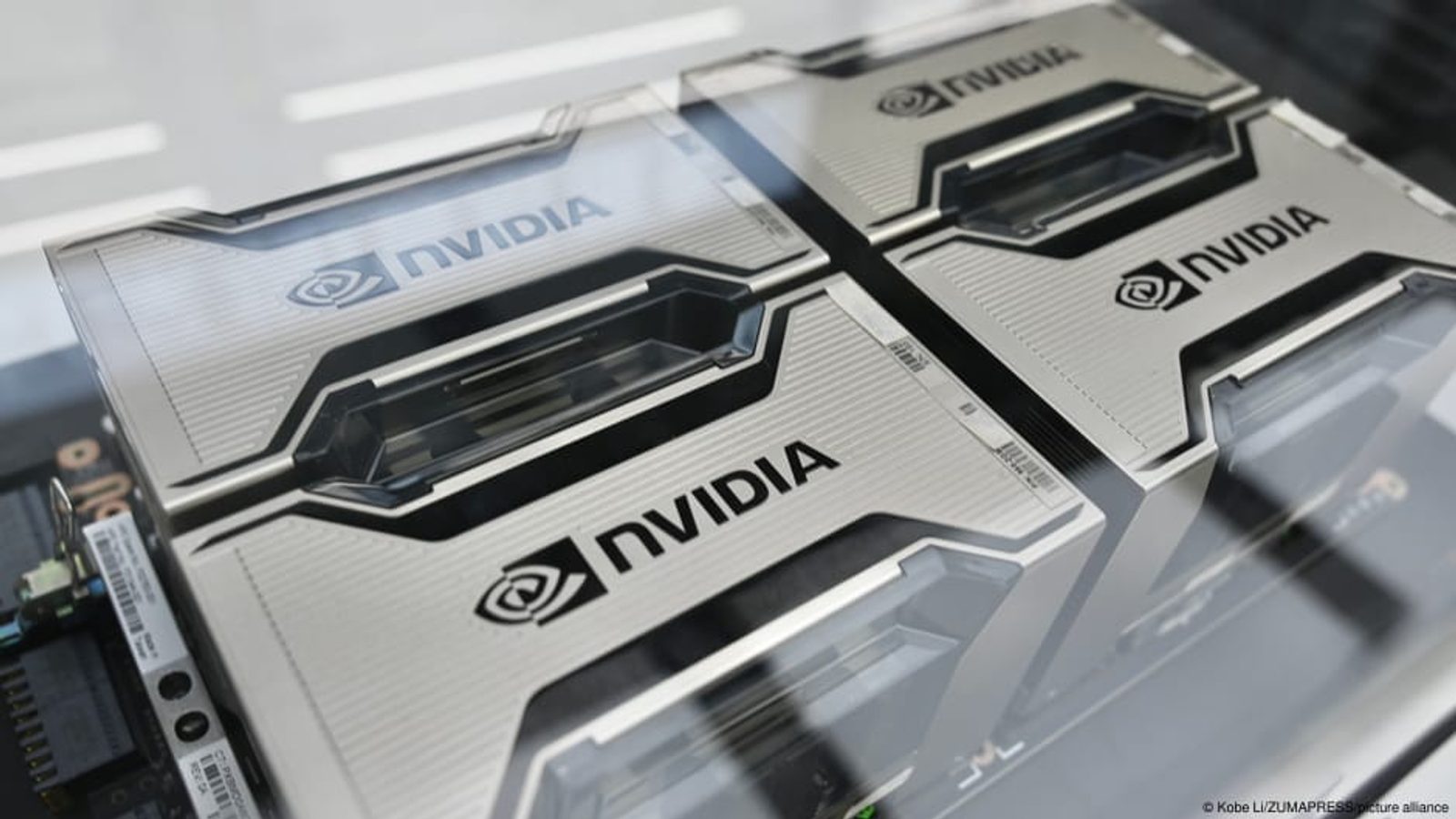
Washington has already banned exports of the most powerful AI processors directly to China, including chips made by market leader Nvidia. Authorities say the new measures are aimed at blocking routes that allow Chinese actors to obtain hardware or remote access to compute capacity located in third countries.
U.S. officials have documented several circumvention methods. In one alleged scheme, serial-number plates from chips were transferred onto server mock-ups using hairdryers to hide that genuine Nvidia‑equipped systems were being shipped to China. Another common avenue is lease access — renting compute time in foreign data centres that host Nvidia hardware so that Chinese clients gain indirect access to the processors.
Chinese government spokespeople criticised the move. Guo Jiakun, a spokesman for the Chinese Foreign Ministry, said: "With this, the United States is interfering in China's trade and technological relations with other countries." He added that China would take whatever measures are necessary to protect its legitimate rights and interests, without specifying what actions it might take.
U.S. policy documents cited an unusual internal coalition: the Commerce Department said the decision had been drafted by the Treasury Department and the National Security Council. Treasury Secretary Scott Besent had recently accused Commerce, led by Howard Lutnik, of delaying tougher controls; Commerce officials have pushed back, saying the new rules reflect interagency agreement.
Separately, U.S. enforcement actions and a developing criminal probe have attracted attention. Commerce and the Justice Department said Nvidia was asked last summer, in 2025, to provide documents related to sales to Singaporean customer Megaspeed, which became subject to review. Media reports have also reported an affair involving Nvidia CEO Jensen Huang and a Megaspeed manager; U.S. security officials reportedly suspect the manager could be a Chinese intelligence asset and that Megaspeed may have forwarded technology to China. The Justice Department later took the lead in the criminal investigation, and agencies said they would act jointly if laws were broken.
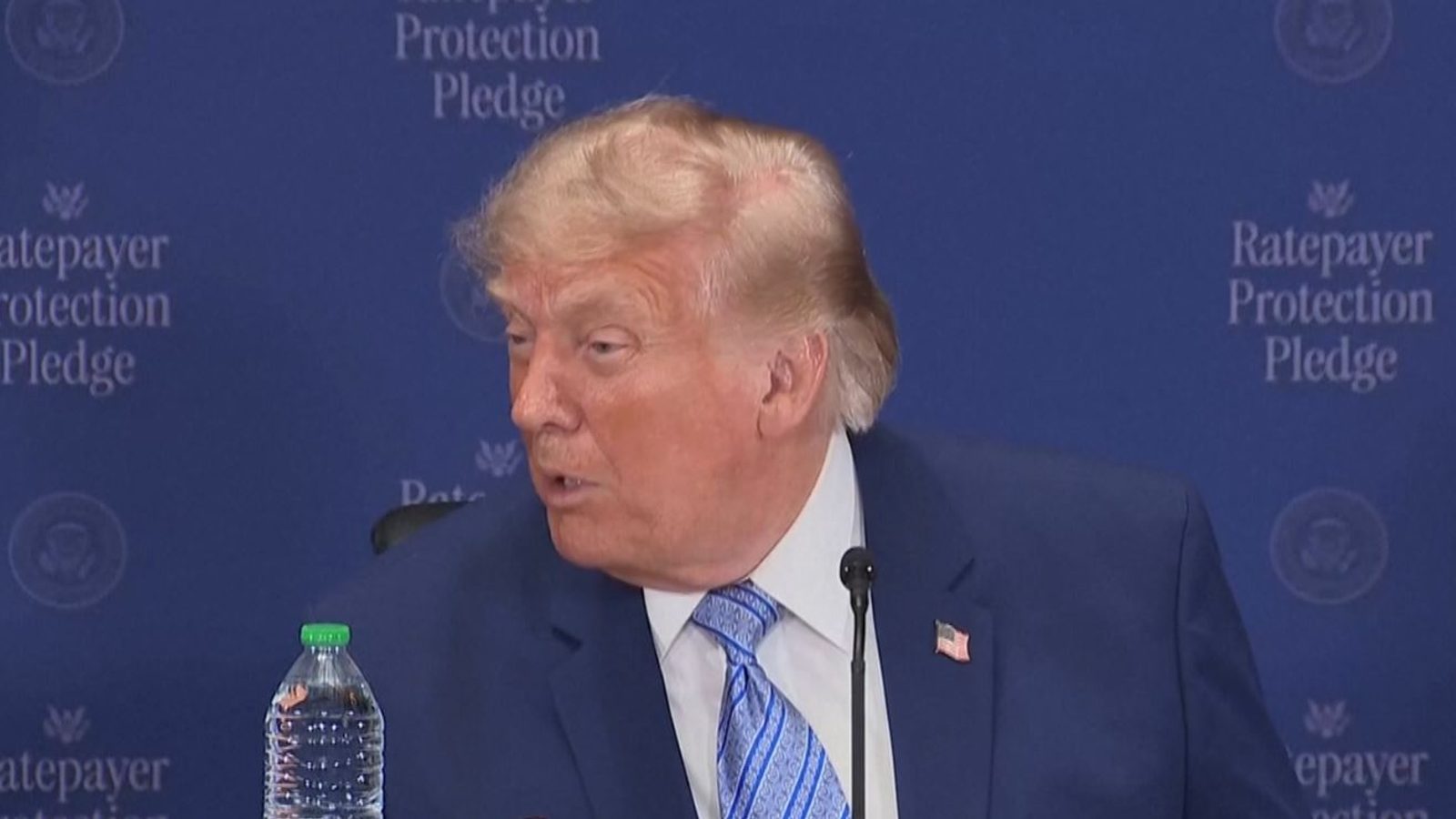
President Donald Trump defended Commerce Secretary Howard Lutnik on Monday, saying Lutnik did not want to further worsen relations with China. Trump is due to attend a summit in China this week.
Photo: press material from the event