Turkey approves framework law on the PKK — does the peace process enter a new phase?
Parliament approved a framework on 12 August 2026 that allows suspension of sentences for some PKK‑linked convictions, but relief is conditional on formal dissolution and disarmament.
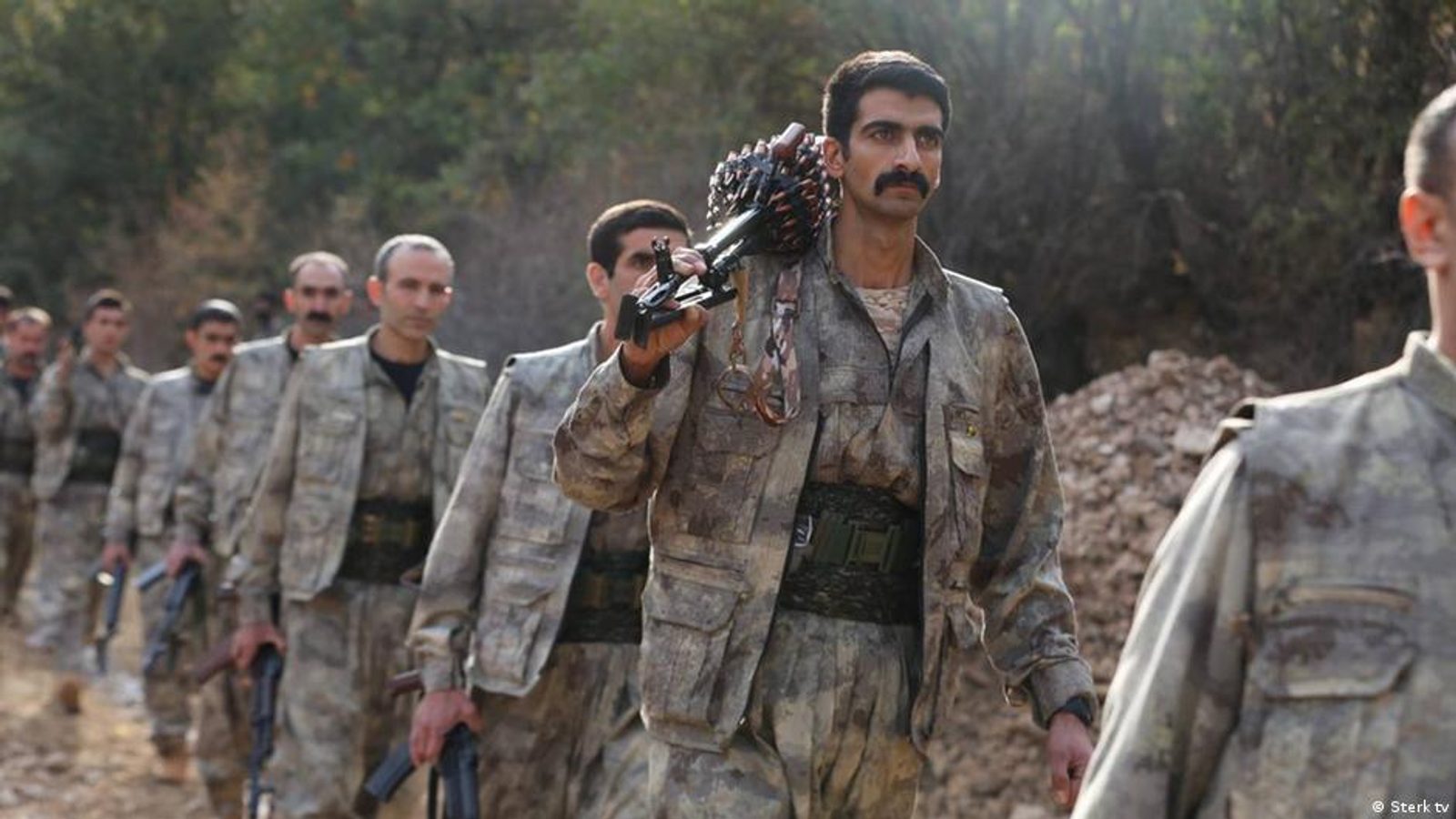
On 12 August 2026 the Turkish parliament approved a framework law intended to provide a legal basis for the ongoing peace process with the Kurdistan Workers' Party (PKK), a group that has waged armed conflict against the Turkish state for decades. The measure — formally titled the "Framework law for strengthening national solidarity and social integration" — has generated heated debate at home, with supporters calling it the start of a new era and opponents warning of rushed, far‑reaching consequences.
The bill passed with 467 votes in favour out of 592 lawmakers in the Grand National Assembly. It was introduced by the ruling Justice and Development Party (AKP) together with its ultranationalist coalition partner and has also received the backing of the pro‑Kurdish DEM party, which described the text as only an initial step that must be followed by further reforms.
What the law would do
The statute targets individuals convicted of membership in the PKK, propaganda for the organization, financing or supporting its structures. Execution of sentences would be suspended for those covered by the measure: for penalties up to 15 years imprisonment the suspension period is five years, while for longer and life sentences it is ten years. The law also allows for a freeze on ongoing investigations. Authorities estimate that up to 3,600 prisoners could benefit from these provisions.
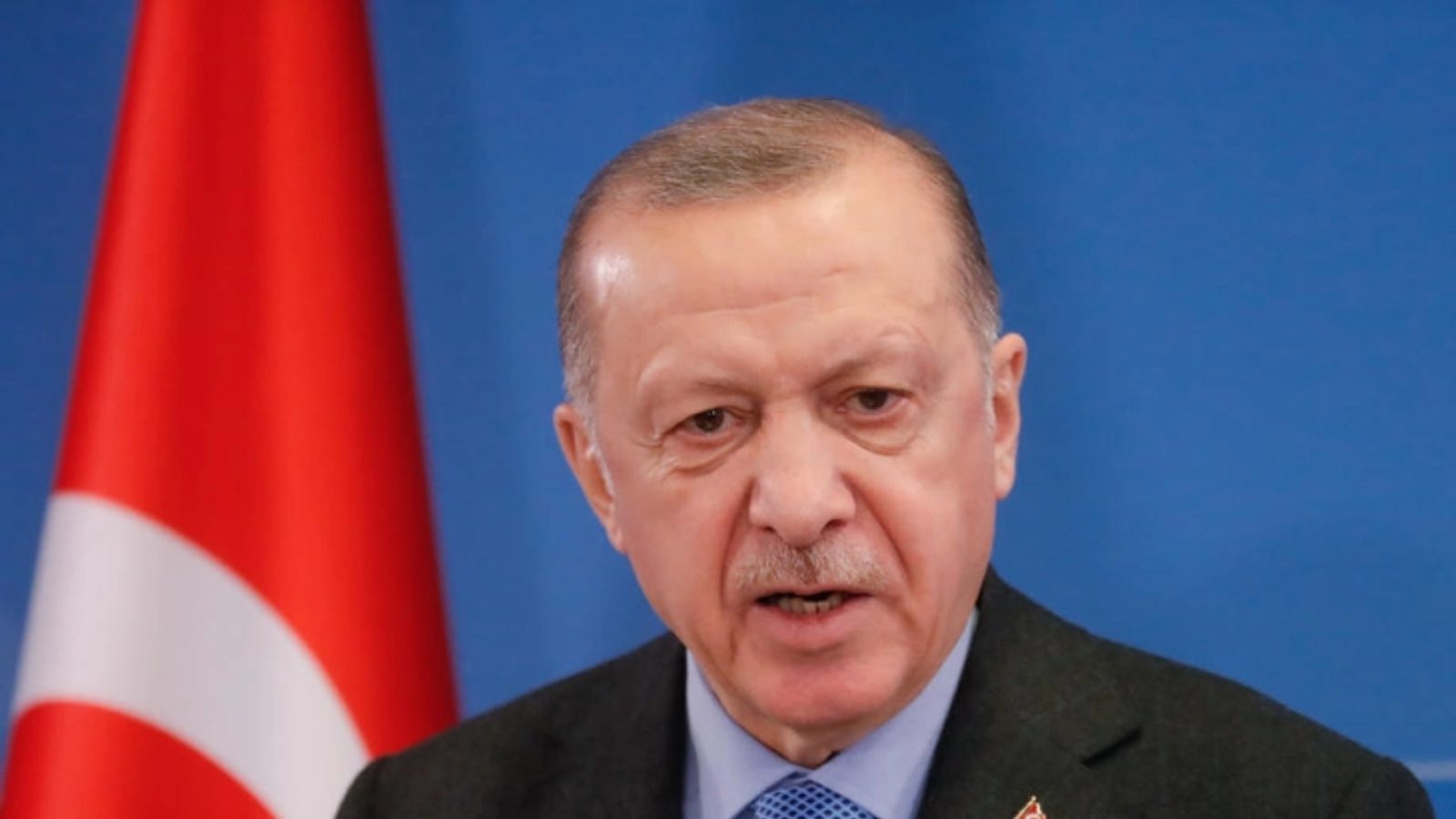
However, the law ties such relief to strict conditions: an official determination that the PKK and affiliated structures have been formally dissolved and have surrendered all arms and ammunition. Those determinations would be confirmed by the National Security Council chaired by President Recep Tayyip Erdoğan. The text explicitly excludes PKK members convicted before 1 June 2005, and anyone legally convicted of murder — meaning the measure does not provide for the release of PKK founder Abdullah Öcalan.
PKK leaders welcomed the law as a first step but criticised its wording and scope, saying the organisation’s core demand remains unmet: Abdullah Öcalan has not been freed and cannot directly coordinate the process under conditions of political and personal freedom. The PKK has also warned that criminalisation of returning fighters and exiles will discourage many from abandoning armed bases unless broader democratic reforms accompany the process.
Observers point to regional shifts as a backdrop to the change in Ankara’s stance: developments in neighbouring states and broader Middle East tensions are listed among the factors that, analysts say, could make more stable relations with Kurds domestically and abroad strategically useful for Turkey.
Domestically the vote exposed deep divisions. The nationalist Good Party (IYI) and other critics staged sharp objections during the parliamentary debate, at times erupting into physical incidents; yet the Nationalist Movement Party (MHP) — which historically spawned the Grey Wolves movement — is now one of the law’s key backers. Political scientists warn that President Erdoğan’s office will retain decisive control over the pace and implementation of the process.
"Erdogan will clearly set the pace," says Reha Ruhavioglu, director of the Center for Kurdish Studies, suggesting the president has taken lessons from earlier failed talks and intends to keep control tightly centred as he navigates political risks ahead of anticipated elections in 2028.
Photo: press material from the event