Democratic midterm win sends AI-linked stocks tumbling worldwide
Markets worldwide fell after projections showed Democrats winning both houses and a key Texas governorship, hitting AI and chip stocks.

Global stock markets slid after US midterm projections showed the Democratic Party winning control of both chambers of Congress, a result that hit shares tied to artificial intelligence particularly hard.
Futures on American indexes opened lower and Asian markets followed suit. The MSCI index for Asia-Pacific equities excluding Japan fell about 0.5 percent, while technology-linked bourses were among the weakest: South Korea's Kospi dropped 1.6 percent and Japan's Nikkei fell roughly 3 percent. Chipmakers and AI-focused firms—names such as AMD—recorded notable declines.
Traders increasingly priced in the possibility that Democrats would press for restrictions on new data centres, and the party's surprise victory in the Texas governor's race added extra pressure on US technology stocks. The shock result in Texas — a major technology hub — helped push US futures and the Nasdaq lower, with the latter down more than 2 percent in early trading.
Selective sell-off hits high-risk AI plays
Some companies exposed to AI infrastructure suffered larger losses: the high-risk cloud builder CoreWeave tumbled about 7 percent, Nebius Group fell 4 percent, Elon Musk's AI data project at SpaceX dropped around 6 percent, and Oracle shares lost about 4 percent.
Analysts warned the election outcome could have far-reaching consequences beyond data-centre policy — potentially affecting US fiscal outlook, defence spending, and regulation across sectors such as health care, banking and cryptocurrencies.
"If Texas declares a moratorium on data centres, as New York did, projects could face further delays. Today's market reaction clearly reflects concern and uncertainty about these issues," said Kim Seok-hwan, an analyst at Mirae Asset Securities.
"It appears markets are pricing in the possibility of a stronger-than-expected Democratic performance, which could lower expectations for further fiscal stimulus," said Charu Chanana, chief investment strategist at Sax in Singapore.
On currency markets the dollar eased against major peers: the euro strengthened about 0.5 percent to $1.1249, the Japanese yen strengthened so that one dollar traded near ¥157.9, and the dollar index slipped roughly 0.37 percent to 101.34 points.
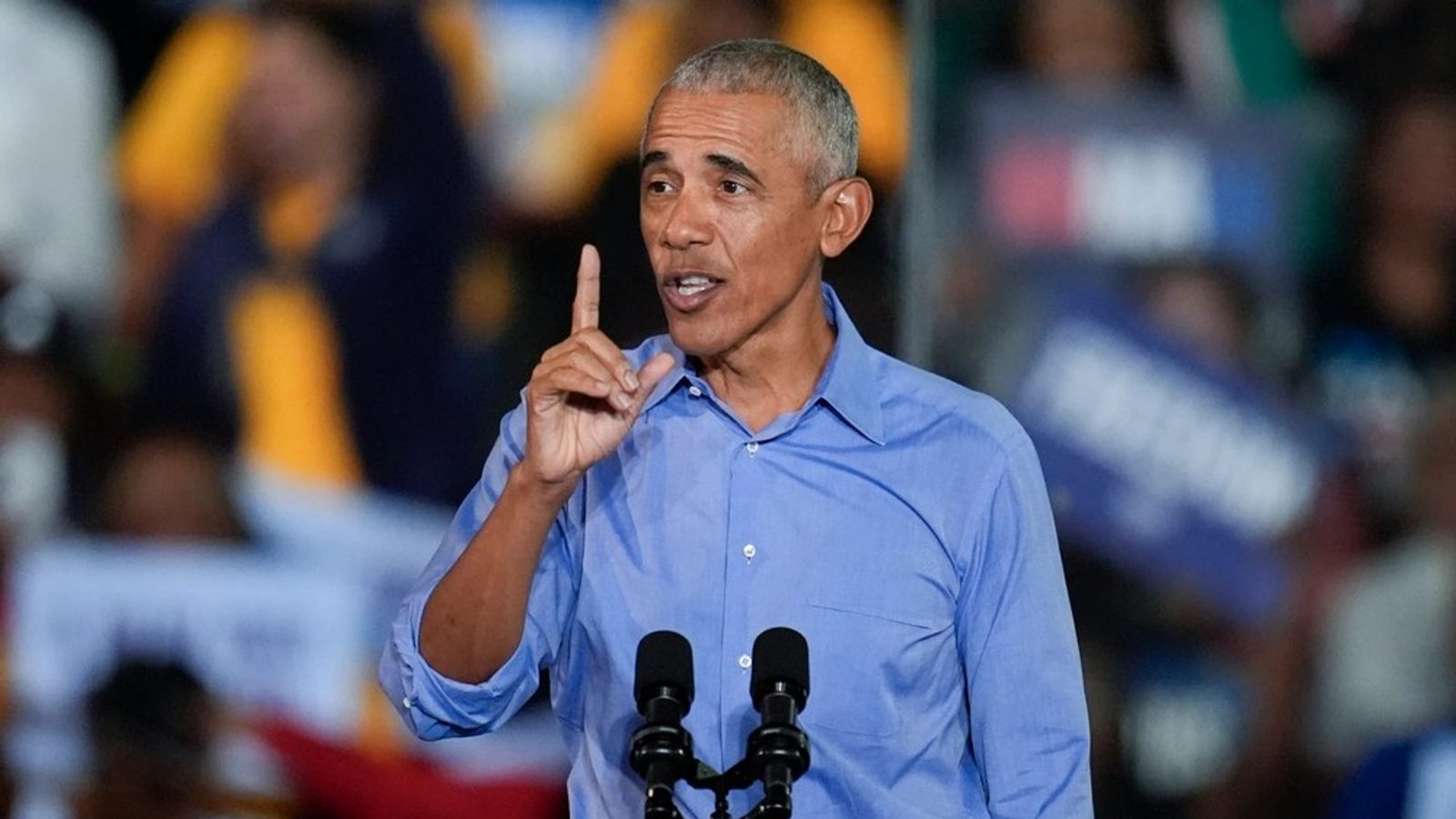
Photo: press material from the event