Coordinated operation against child begging targets Ohrid and Struga
Police, ministries and an NGO say organised groups bring children from multiple towns; about 700 children removed from streets so far.
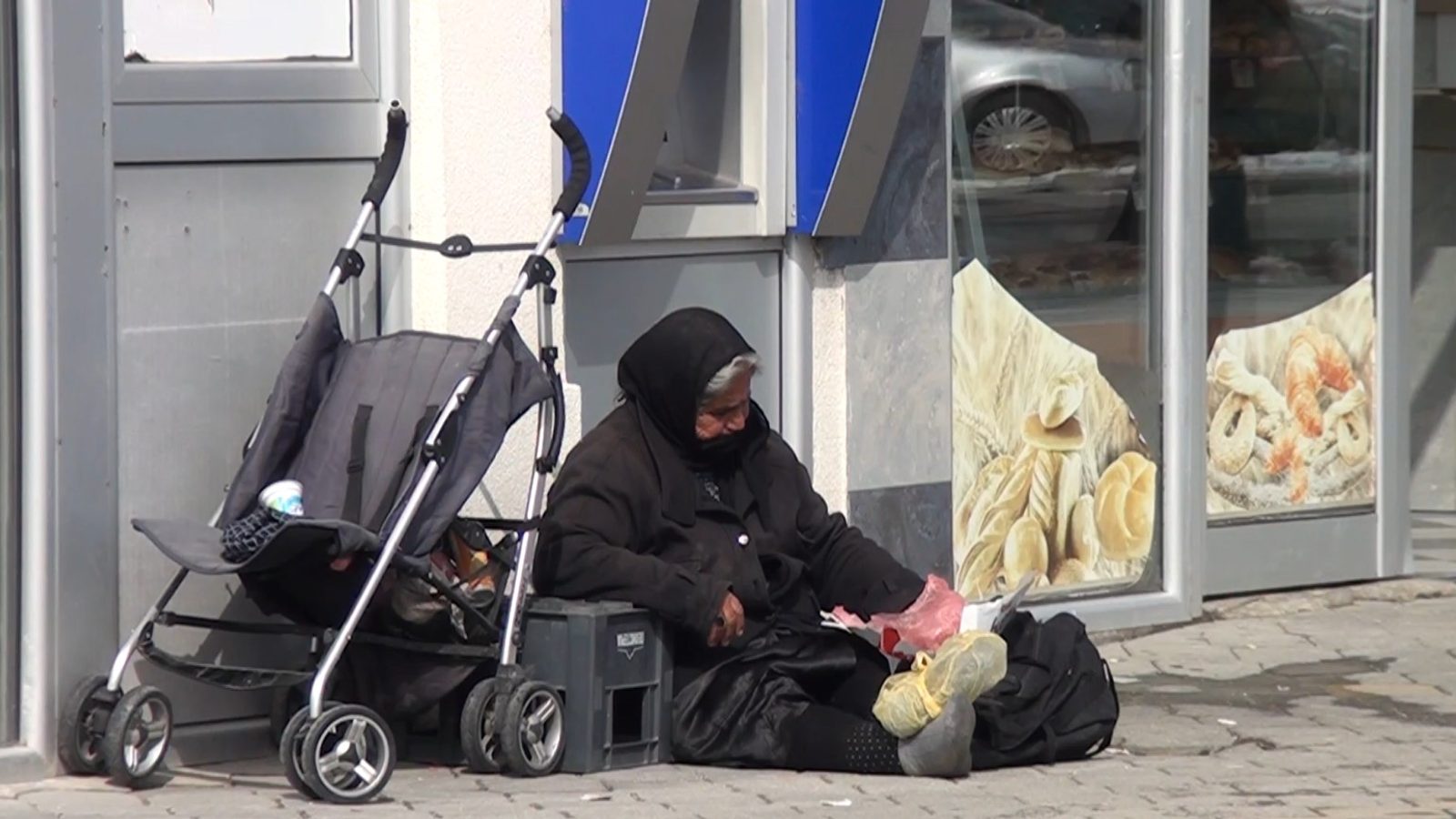
A larger government and NGO-led operation to curb child begging and protect children used for begging has intensified across several towns in North Macedonia, with authorities flagging Ohrid and Struga as among the most critical hotspots. The campaign involves the Ministry of Labour and Social Policy and the Ministry of Internal Affairs, and is coordinated with local police units and an NGO that has been monitoring the problem for years.
Measures, removals and criminal proceedings
Ilija Jovanović of the NGO Building a Future (Gradime Idnina) said field teams have alerted police stations in the most affected municipalities and that regional police in Ohrid are already acting on the issue. "We informed all police stations, especially in Ohrid, Struga, Kičevo and Dojran, where the situation was most critical. SVR Ohrid is already implementing the project on beggars. Now a larger action is being carried out. The Ministry of Labour and Social Policy and the Ministry of Internal Affairs are acting across the country, from town to town, to solve the problem of begging," he said.
Jovanović estimated that Ohrid currently has between 20 and 30 people actively begging, including very young children. "There are newborns, children from three to 15 years old, and there are also girls who, according to our information, are being exploited for sexual services. We have information that apartments have been rented for that purpose," he said.
The NGO reports that the phenomenon is not confined to local families. Teams allege an organised scheme that transports children from other towns — including Tetovo, Gostivar, Struga, Bitola, Resen, Prilep, Veles, Kičevo and Debar — into Ohrid. The organisation has been tracking child begging through a project running for five years and says roughly 700 children have been withdrawn from streets and intersections to date.
According to the NGO’s field research, many children spend long hours outside: "Working time is eight hours. One child from begging earns from 3,000 to 5,000 denars. Unfortunately, these children get only from 10 to 30 denars. This is shown by the research. In the end they also get beaten, and the larger sums end up with their bosses and organisers," Jovanović said.
When a child is found on the street, teams follow a fixed protection procedure: immediate medical checks, six hours held at a police station for identification and data collection, followed by intervention from juvenile inspectors and social services. The NGO says police already file criminal charges in cases of proven exploitation and apply progressive measures toward parents — including warnings and, after repeated breaches, requests for termination of parental rights. Jovanović also urged legal changes to speed up court action, saying: "The court procedure is very difficult. We demanded that provisions in the Criminal Code be supplemented and changed. We demand that within one hour a measure for deprivation of parental rights can be taken. It is a long process, but I hope that with the engagement of the current minister more laws will be changed."
The organisation called on citizens to report any suspected cases immediately to the police, and said that long-term solutions require municipalities to open day centres and workshops, enroll affected children in schools and kindergartens, and provide coordinated work between police, social services, local authorities and educational institutions.
Byline: S. Vrencovska
Photo: SDK.MK)