Education budget 2027 cuts block grants while teacher salaries rise
Municipalities face a smaller education block grant and higher wage bills, risking funds for heating, electricity and school activities.
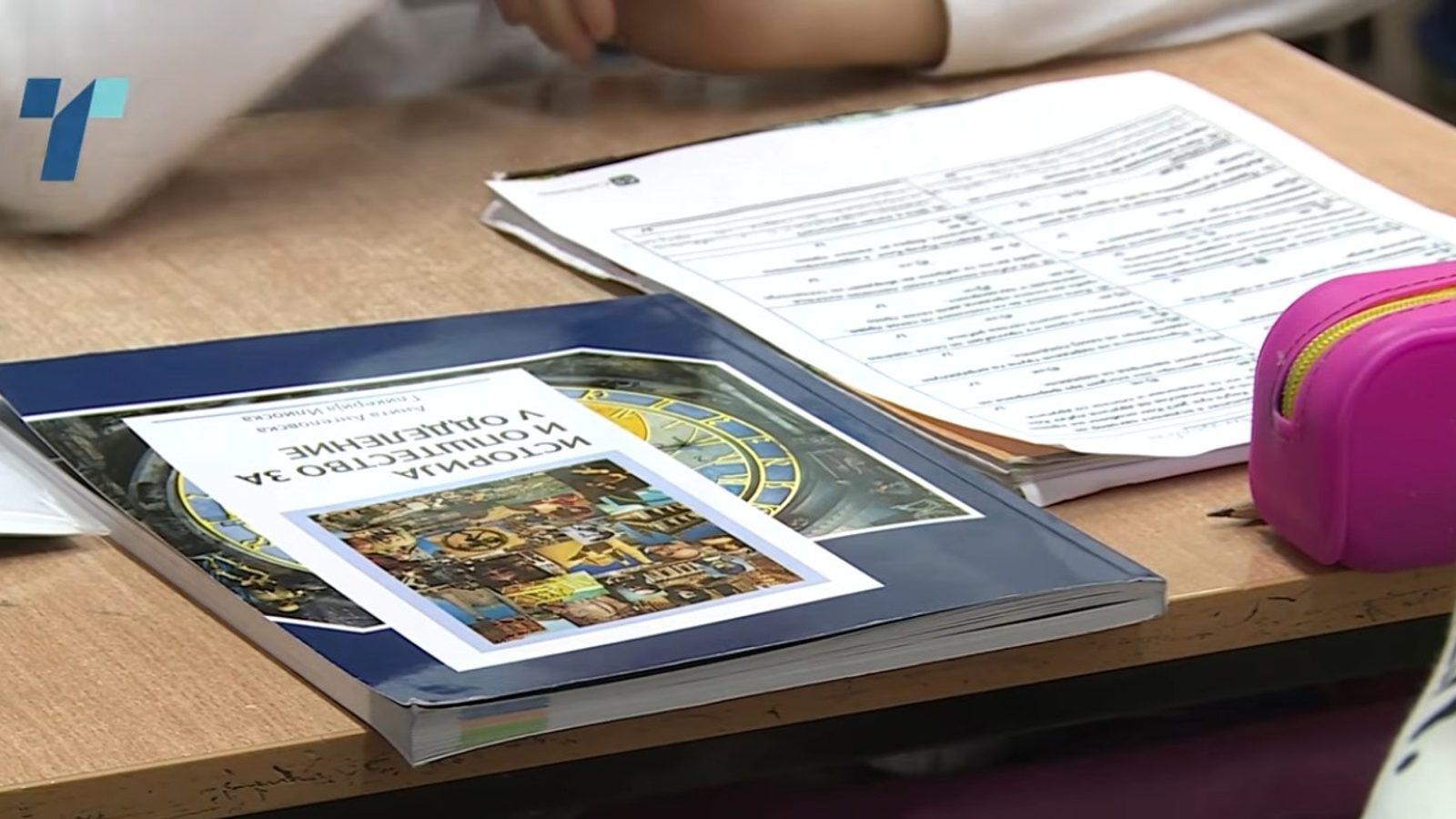
The government proposal for the 2027 budget reduces the nominal block grant for primary and secondary education even though funds from the EU reform agenda and a planned pay rise for teachers will push salary costs to an unusually high share of local education budgets.
Local school budgets at risk: salaries could consume nearly all funds
Under the draft budget, municipalities will receive about 406 million euros to cover costs in the education process — more than 9 million euros less than last year. The Association of Units of Local Self-Government (ZELS) warns that roughly 90% of that amount — the so-called block grants — will be spent on teachers’ pay.
Viktor Mitevski, executive director of ZMAI, described the combination of developments as illogical: "We see a phenomenon that we as economists cannot recognise why it is happening. You have an area that is progressing, everyone praises it, and at the same time we received money from the EU within the reform agenda to introduce a new way of financing primary and secondary education, and at the same time in 2027 for the first time from 2008 to today, in primary and secondary education the block grant is nominally reduced. This is truly a system illogicality."
Economists warn that if salaries exceed 80% of block grants, evidence shows this negatively affects education quality because there is no money left for incentives, teaching materials or activities that support pupils and teachers.
Mitevski pointed out that the 2027 picture is compounded by an announced 7.5% salary increase for teachers from March under the collective agreement and a fiscal impact of 1.3 billion denars solely for wages. "For the first time last year, thanks to increased block grants, we managed as a system to reduce the share of salaries in the block grants. What happens in 2027? We have a nominal reduction of the block grant for primary and secondary, additionally, from March there is an announced 7.5% increase in teachers' pay according to the collective agreement. 1.3 billion denars increase in fiscal effect just for salaries. And we are cutting the block grant. What does that mean? We will be brought to a situation where 99% of the block grant that the state gives to municipalities to run primary and secondary schools will go to salaries. And then we will have schools that will not be able to pay heating, will not be able to pay electricity, accounts will be blocked, they will not be able to procure anything to function as they should in the system," he warned.
He added that the consequences of leaving no funds for development and incentives will affect not only children but everyone involved in education. The European Commission has for the first time in a long period taken note of and praised reforms being implemented, including the new financing model for primary and secondary education, optimisation of the school network, the introduction of new programmes and the completion of the cycle for targeted vocational education in secondary schools.
Photo: press material from the event