Vučić’s pardons of 49 people prompt calls for investigation
Rights groups and lawyers say the 27 September pardons include people accused of violence and may require judicial and international review.
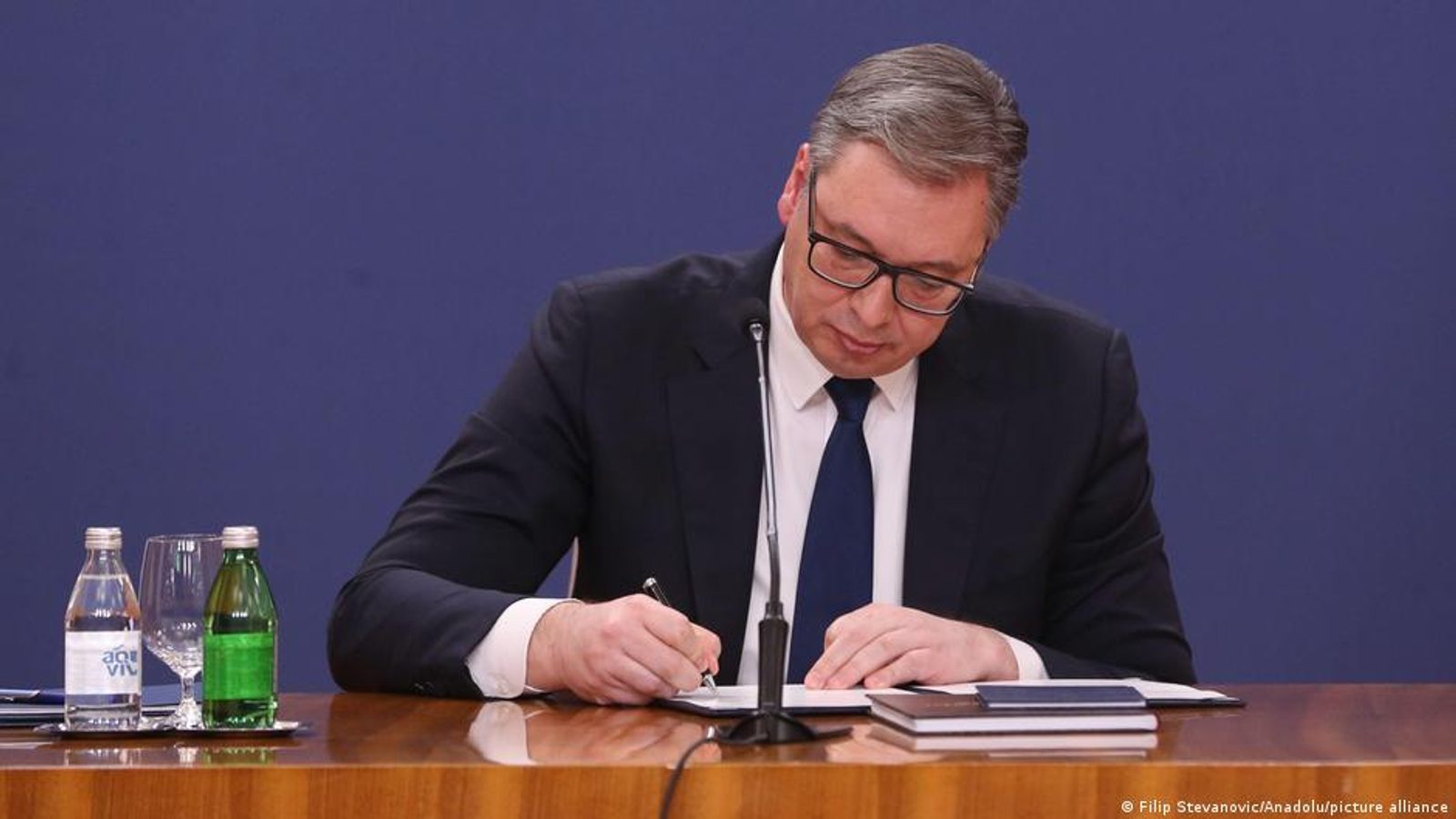
Serbian President Aleksandar Vučić’s decision to pardon 49 people on 27 September has prompted demands for legal scrutiny and raised the prospect that victims who do not obtain redress at home could take their cases to the European Court of Human Rights.
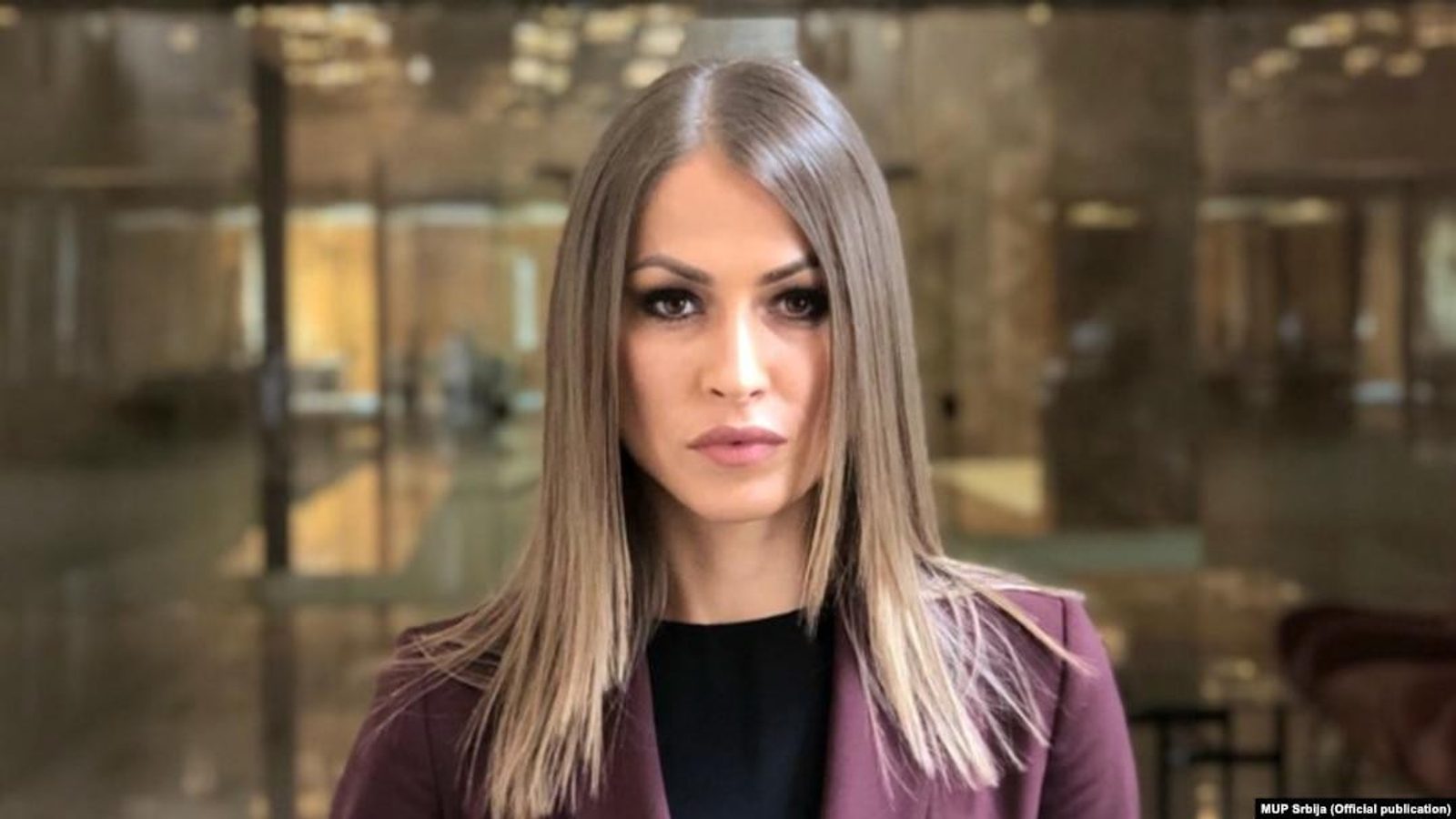
The Ministry of Justice published the full list of pardoned individuals after Vučić submitted his resignation as president; it includes former state secretary in the Interior Ministry Dijana Hrkalović, at least 15 people accused of abuse of office, suspects in money‑laundering cases and individuals alleged to have received bribes. Dozens more on the list were implicated in attacks on protesters over the last two years.
One of those pardoned was Miloš Pavlović, who faced trial for attempted murder of student Sonja Ponjović and whose sentencing at the Higher Court in Belgrade had been scheduled for Friday, 6 November. Critics say pardons in such cases cut short judicial scrutiny of violent attacks on demonstrators.
Human‑rights group calls for investigation
The Belgrade Center for Human Rights has for months condemned earlier pardons of people accused of violence against students and now says the latest decisions amount to another misuse of the pardon power. Sanja Radivojević of the centre told reporters that past patterns and the absence of public explanations make an independent probe necessary.
"We warned about that also in relation to the previous decisions to free from criminal prosecution those accused of attacks on students. By pardoning (Miloš Pavlović) the court procedure is interrupted and it prevents the responsibility for the serious violence against a student who was peacefully protesting and paying tribute to the dead from being fully examined," she said.
The public debate intensified after the arrest on 1 November of Marko Kričak, head of the Criminal Police Directorate, on suspicion of abuse of office related to a murder at a Belgrade restaurant earlier this year. Two days later, the First Basic Public Prosecutor's Office in Belgrade received a binding instruction from the Supreme Public Prosecutor's Office to act on allegations by students — including Nikolina Sinđelić — who accused Kričak of abuse in a government garage after last August’s protests.
Radivojević also warned that "those circumstances are the repetition of pardoning people accused of violence against protest participants, the absence of publicly available reasons for such decisions and the president's statements that with them he 'corrected the injustice' inflicted by the courts and prosecutors. All that raises the question whether the prerogative was used to protect certain people from criminal responsibility and to obstruct the work of the judiciary."
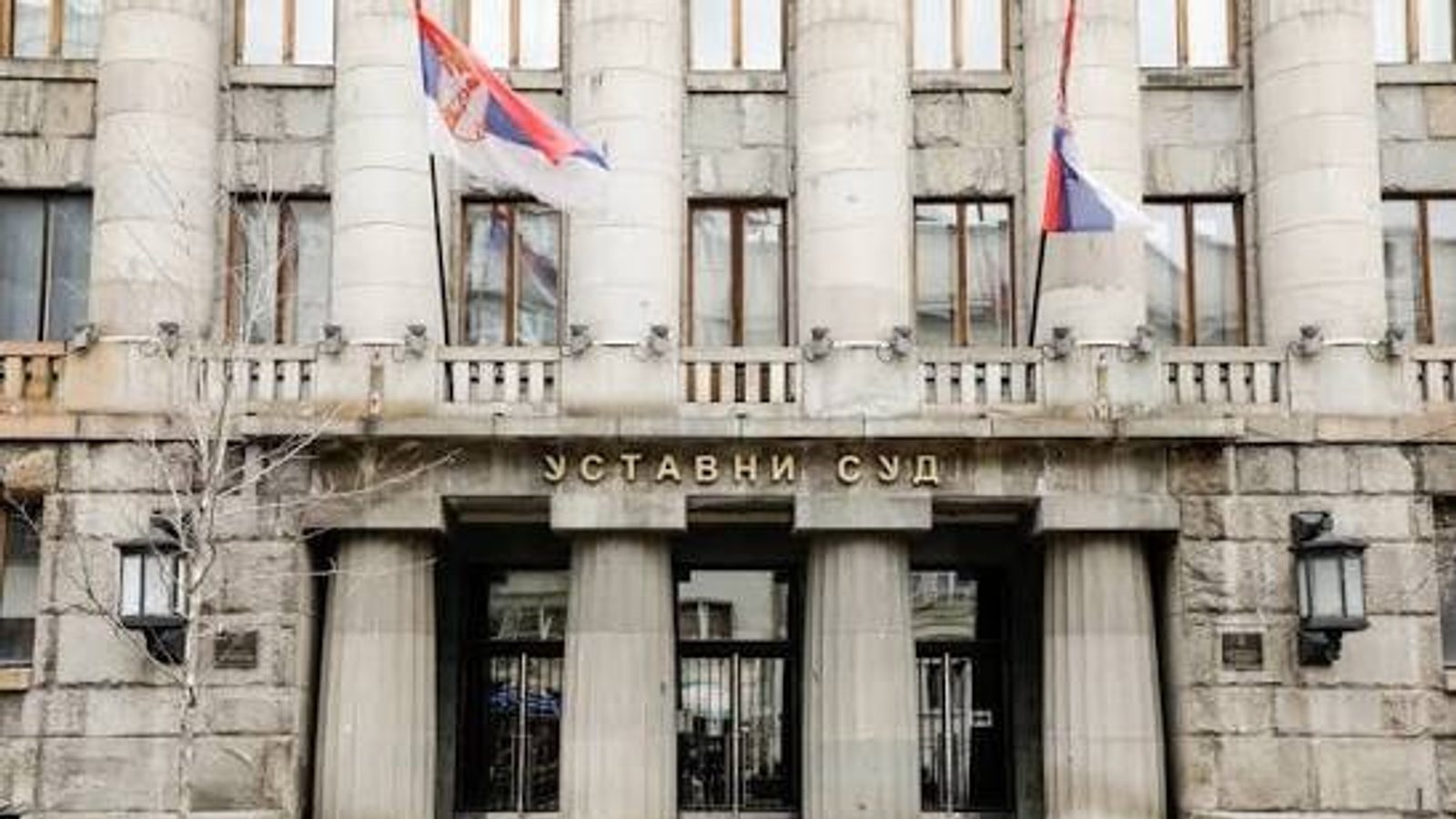
Lawyer Mihailo Pavlović said the Constitutional Court could be asked to review whether the pardons violated rights, "which can determine violations of the rights of the persons who will address it." He also noted that legal experts have been increasingly vocal about whether the pardons may be linked to criminal wrongdoing and that, according to reports, the prosecution may already have opened a related file: "In the last weeks the professional public has spoken increasingly loudly about that. The prosecution, allegedly, has already opened a case on this issue, so we will see what the outcome of the proceedings will be, if there really is an investigation or if it leads to criminal prosecution of Aleksandar Vučić."
The Belgrade Center for Human Rights warned in a 2025 report that pardoning those accused of violence against demonstrators may conflict with the European Convention on Human Rights. Radivojević said victims can turn to Strasbourg if domestic remedies are exhausted and procedural deadlines are met: "The state is obliged to ensure an effective investigation and an appropriate criminal‑law response to serious violence. When an attack endangers life or constitutes ill‑treatment within the meaning of the European Convention, a pardon that prevents the establishing of responsibility can lead to a violation of that obligation. Victims, therefore, can seek protection in Strasbourg, if they meet the conditions for applying to the Court, including exhaustion of effective domestic remedies and respect of the deadline for filing an application."
Photo: press material from the event