Trump's midterm setback: what it means for Europe and global markets
Democrats take control of key committees after midterms; markets react modestly while tariffs and Ukraine funding remain uncertain.

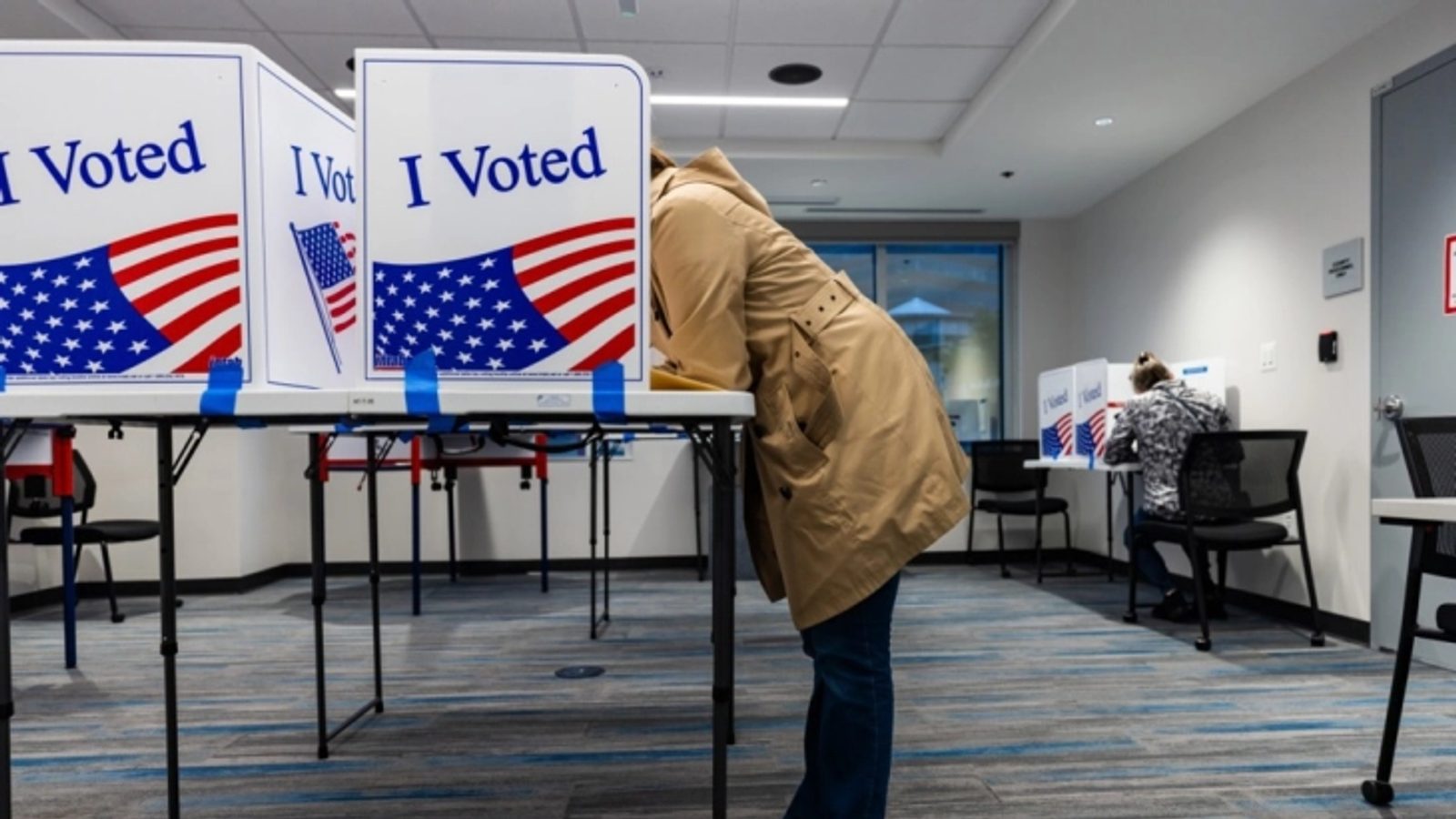
Donald Trump suffered a major political setback after Republicans lost control of both chambers of the US Congress in the midterm elections, as voters turned the vote into a referendum on his presidency halfway through a second term. By 7:40 a.m. Central European Time, Democrats had gained 25 seats in the House of Representatives, reaching 220 seats and clearing the 218-seat majority threshold. In the Senate, Democrats captured seven seats from Republicans, including victories in Texas, Ohio, Kansas and Maine.
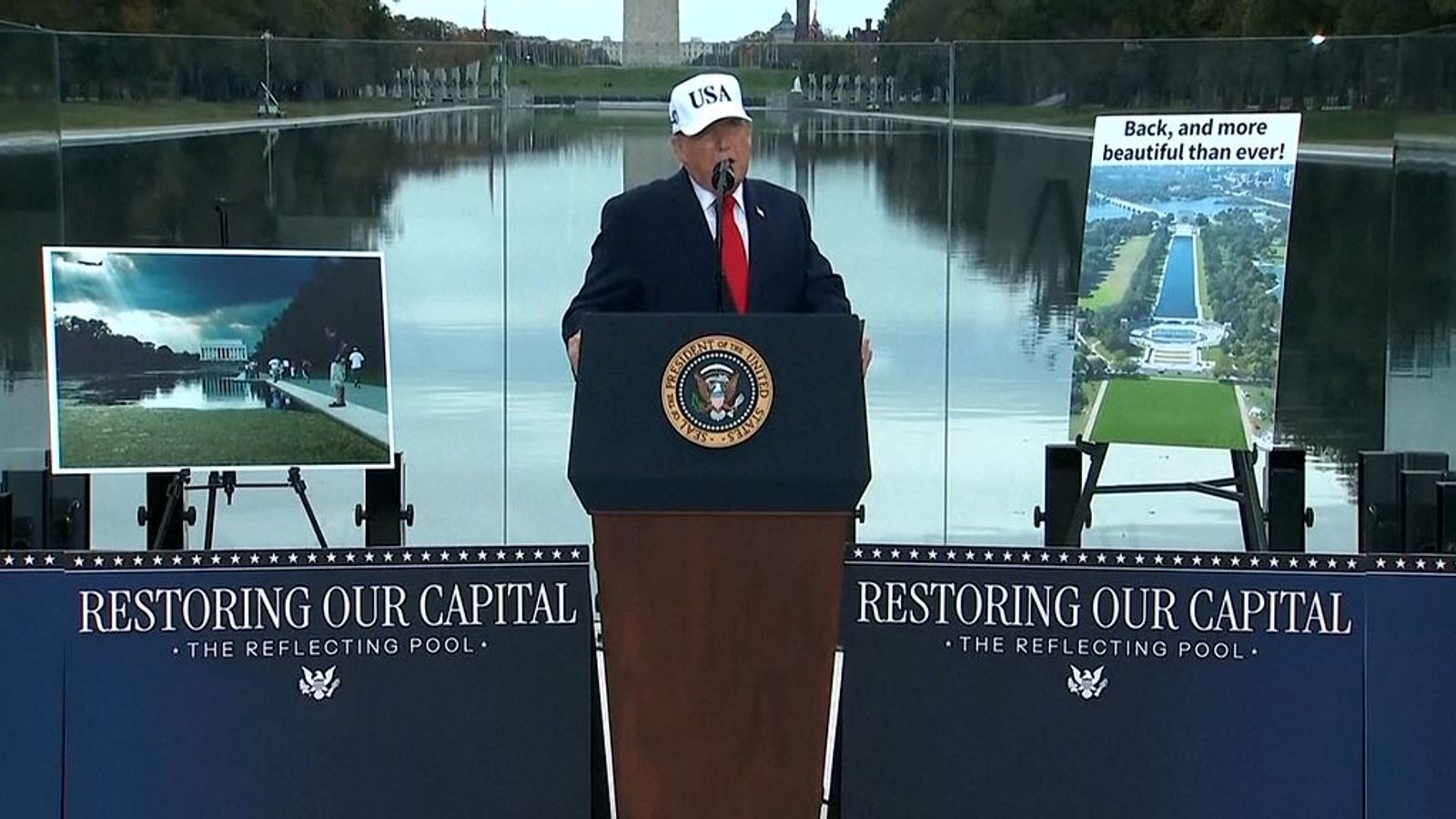
The president said he would accept the results but added, "I do not see this as a strike against me." He also signalled he will use his veto power to block Democratic plans and posted a photo on social media of a red cap bearing the word "VETO".
One immediate question is how much a Democratic-controlled Congress can change US policy toward Europe or influence global markets. On tariffs, the answer appears limited: the president can act unilaterally in trade. After the Supreme Court in February invalidated his emergency tariffs, the administration reintroduced levies under Section 301 of the US Trade Act, a mechanism that allows the president to impose measures without congressional approval. James Smith, an economist for developed markets at ING, warned that a divided Washington could even push the president to rely more on unilateral tools. "As with foreign policy, trade is an area the president can manage unilaterally, without Congress," Smith said.
Aid, markets and short-term reaction
When the new Congress takes office in January, Democrats will chair committees in both chambers and control confirmation processes — and many are in favour of approving fresh funding for Ukraine. Still, getting those approved sums actually paid out may be harder. "In practice, that means that Congress, where Democrats will dominate, can legally approve funds for Ukraine or for development assistance, but the president is not obliged to spend them," said Nevada Joan Lee of the European Council on Foreign Relations. Her guidance to European governments: treat approved US funds as an expression of intent, not a guaranteed transfer.
Investors largely stayed calm. By 7:00 a.m., the euro had strengthened 0.4 percent to $1.1232 while the dollar weakened against other major currencies. Gold rose 2 percent to $4,011 an ounce and silver gained 3.4 percent to $51.49. Equity futures showed modest falls: the S&P 500 futures were down about 0.3 percent and the Nasdaq 100 about 0.4 percent, while Euro Stoxx 50 and Germany's DAX were down roughly 0.5 percent before European openings. US Treasury prices rose: the 10‑year yield fell to 4.94 percent, the 2‑year to 4.61 percent and the 30‑year to 5.32 percent. By comparison, Germany's 10‑year bund yield was 3.33 percent on Tuesday. Bitcoin remained near $77,700 and Brent crude traded around $104 per barrel.
Market strategists say political gridlock is often welcomed by investors because it reduces the chance of big legislative changes. "We believe that a Democratic victory would have a neutral, even mildly positive effect on the fiscal outlook," said Luca Bindelli of Lombard Odier. Diego Barnuevo of Ebury added that Congress could limit the president's plans to expand public spending and therefore curb deficit growth. But some warn of longer-term risks: Ed Yardeni of Yardeni Research cautioned, "Wall Street traditionally welcomes political gridlock, because it reduces the likelihood that Congress will pass extreme legislative solutions. But this time, things may be different." Yardeni points to the possibility that a divided government will still have to reach deals on the debt ceiling, which could push borrowing costs higher if negotiations run long—Barnuevo suggested the debt ceiling might become a problem around 2027.
Analysts also stress that the dollar's path will depend chiefly on Federal Reserve policy rather than congressional composition. "The dollar still reacts primarily to the Fed's moves, which election results should not have a direct or immediate impact on," said Francesco Pesole of ING. The euro faces its own pressures: energy prices remain elevated, in part because of a conflict involving Iran, and ING expects euro‑area inflation to stay around 4 percent, keeping investors focused on yields in France and elsewhere.
Photo: press material from the event