Fasting under study: documentary examines clinical evidence
New film by Sylvie Gilman and Thierry de Lestrade follows clinical cases and lab research in the USA, Germany and Italy.
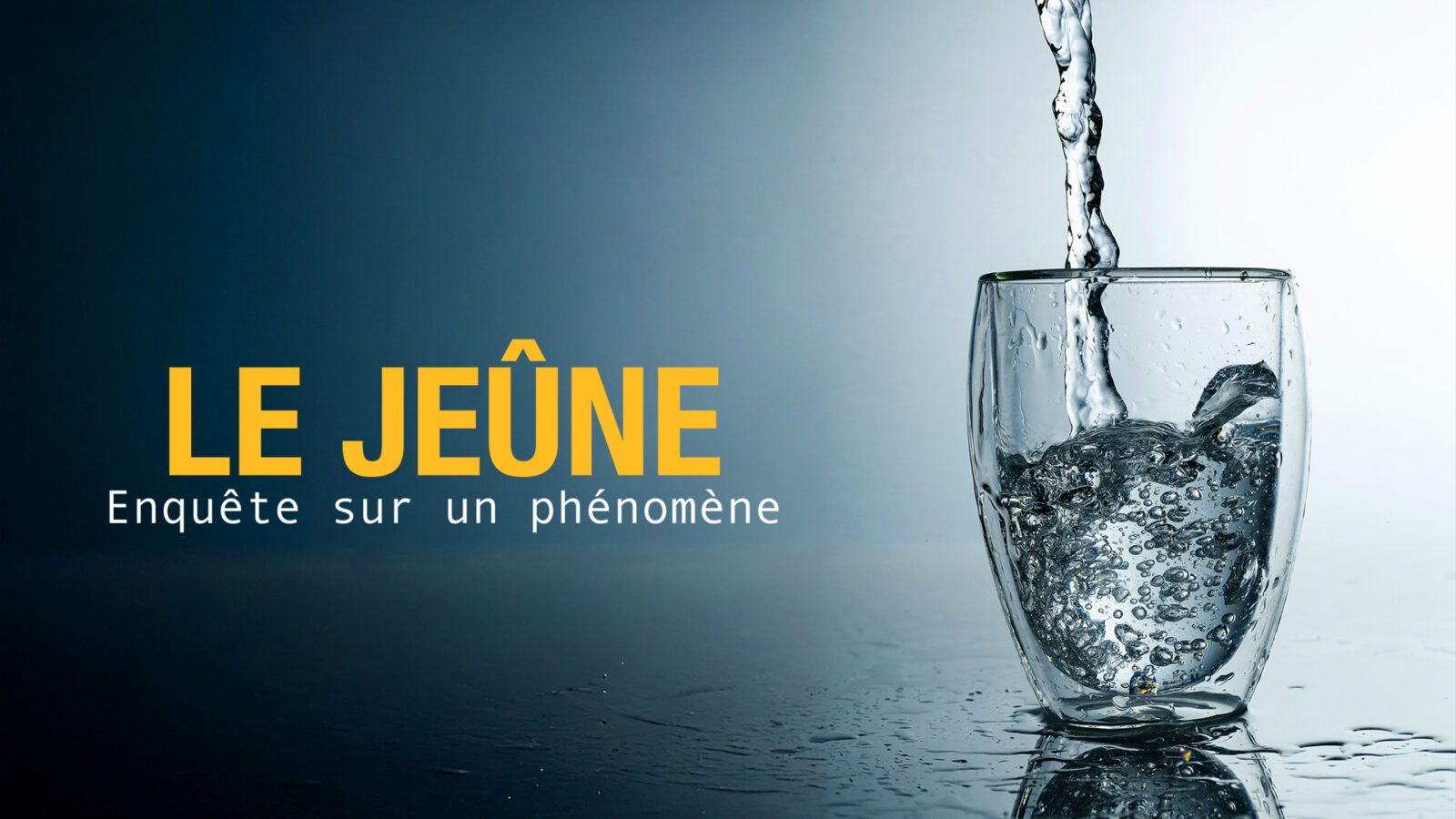
A new documentary revisits fasting as a medical practice and surveys a decade of research that has brought the subject from fringe curiosity into mainstream scientific debate. Directors Sylvie Gilman and Thierry de Lestrade, who previously made the 2012 film Postenjeto – nova terapija?, follow clinical cases and laboratories in the USA, Germany and Italy to map what science now says about controlled food abstinence.
Among the developments described in the film is that in Germany there are pathways for health insurance to cover fasting-based therapies for certain chronic conditions — specifically rheumatoid arthritis, asthma, fibromyalgia and type 2 diabetes — while medical opinion in France remains largely skeptical. The documentary asks whether that skepticism is warranted and where evidence stands today.
The film follows 50-year-old Stefan as he enters a German clinic and undergoes a fourteen-day fast to tackle metabolic problems; his case is interwoven with interviews of researchers and clinicians carrying out trials and mechanistic studies abroad. The directors use his story to show both the potential benefits and the close medical supervision such interventions demand.
Mechanisms under study
Scientists featured in the documentary highlight two biological processes often invoked to explain fasting’s effects: autophagy, the cellular “self-cleaning” process, and the so-called "metabolic switch," which promotes the production of ketone bodies. Ketones act as an alternative fuel and are reported to have anti-inflammatory properties that could be relevant across several chronic diseases.
As an alternative to prolonged fasts, the film also presents intermittent fasting — defined in the documentary as giving the digestive system at least twelve hours of rest — as a more accessible strategy that may support treatment and prevention efforts for metabolic and inflammatory conditions.
While the interviewed scientists express hope that fasting protocols might one day inform public health policies, they caution that fasting is not a panacea. There are contraindications, potential risks, and the filmmakers stress such therapies must be performed only under strict medical oversight to avoid harm.
Photo: press material from the event