How long can you stay in the same hotel room? Legal and practical limits
Legal housing rules, immigration limits and hotel policies — not whim — usually set the real limit on long hotel stays.
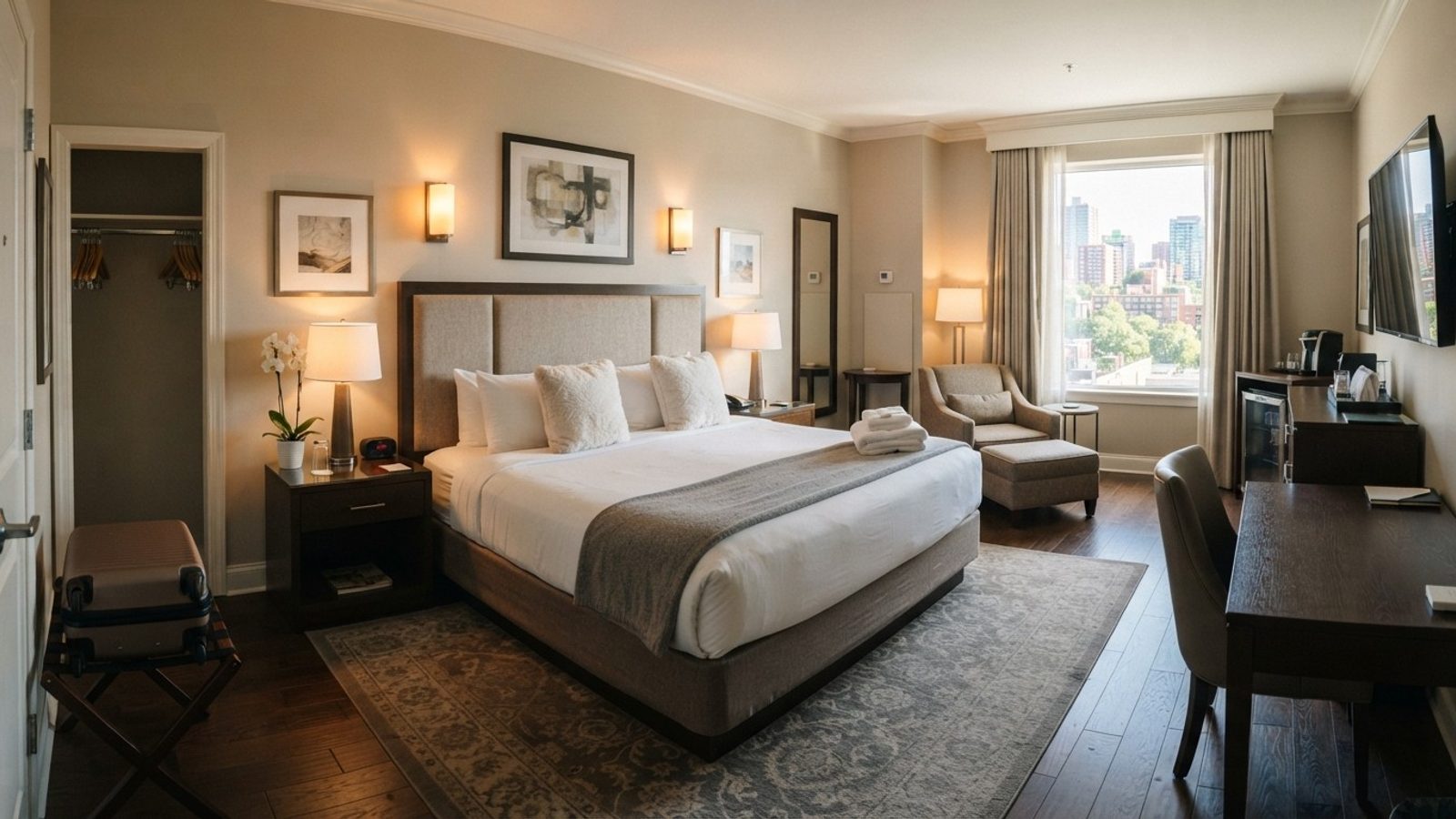
Many travel enthusiasts, business travellers and digital nomads have wondered what it would be like to live in a hotel for an extended time. In practice, however, two separate rule sets determine how long a guest may stay in the same room: hotel policy and the law in the country where the hotel is located.
In Serbia — and in most other European countries — there is no specific statutory cap in the hospitality legislation that limits the number of days a domestic guest may remain in a hotel. Theoretically, if a guest continues to pay and follows house rules, they can stay for weeks, months or even years; there are well-known cases of celebrities and businesspeople spending decades in luxury hotel apartments.
Why some hotels stop long continuous bookings at about a month
The situation changes in parts of the world such as the United States and some Western European countries, where many hotels voluntarily cap continuous stays at 28 or 30 nights. The reason is not mere preference but local housing law: in numerous jurisdictions a guest who lives in the same building for more than 30 consecutive days acquires the legal status of a tenant. If such a guest stops paying, the hotel cannot simply remove them with security; it must pursue a lengthy court eviction process. For that reason hotels often ask guests who plan to remain beyond that threshold to check out — even briefly — or to rebook.
When you are staying abroad, the length of your hotel stay is also constrained by that country’s immigration rules. In Serbia and in the Schengen area, foreign nationals who do not need a visa (or who hold a type C visa) may remain up to 90 days within any 180-day period. Regardless of whether the hotel has vacant rooms or wants to keep the guest, a foreign national must leave the country at the end of that period unless they have arranged temporary residence.
Hotels are required to register every foreign guest with the competent authorities within 24 hours of arrival, and any longer stay must be accompanied by the appropriate immigration or residence paperwork handled through official institutions.
Beyond law, the hotel itself has practical levers. Standard tourist hotels, especially at peak season, frequently limit single reservations to 7–14 days because it is more profitable to rotate guests. By contrast, "extended-stay" properties are designed for longer occupancy: they normally offer significant monthly discounts and extras such as kitchenettes and laundry services.
Ultimately, if you respect the host country’s immigration rules and have a clear agreement with hotel management, the main real constraint on living in a hotel for an extended period is your budget.
Photo: press material from the event