Hosea feast: rams returned on Oct 31 are read as a sign of winter
A folk custom links rams returned to the flock on October 31 with signs of an early spring or a long, cold winter.
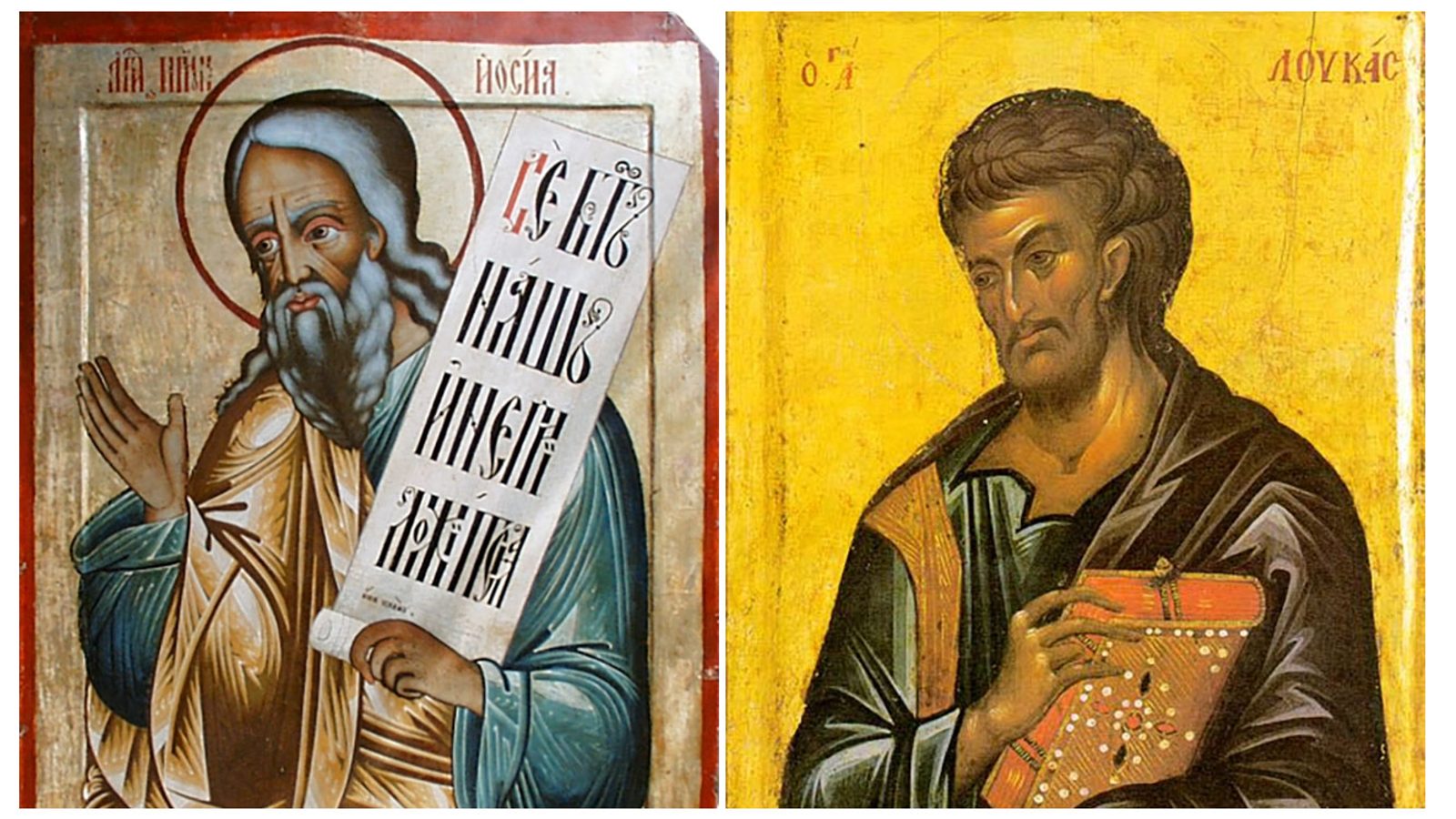
Today the Orthodox faithful mark the feast dedicated to the prophet Hosea, an Old Testament seer who, according to tradition, prophesied more than eight centuries before the birth of Jesus and whose book counts 14 chapters.
Hosea is remembered in church texts as “the son of Beeri, of the tribe of Issachar,” a prophet who denounced Israel and Judah for idolatry while at the same time promising God’s mercy and the coming of a Saviour. Church observances around his name stress prayer, family protection and almsgiving.
In rural areas a linked folk custom connects today’s feast with the better-known celebration of Saint Luke on October 31. According to that popular belief, rams that are separated on the day of Hosea and then returned to the flock on St. Luke’s Day are watched closely: if the ewes accept the rams without resistance, people interpret that as a sign that spring will arrive early and that the coming year will be fruitful; if the sheep balk and avoid the rams, that reaction is read as a warning of a long, harsh winter.
Customs ahead of winter
Other traditional practices on this date include checking and greasing cart wheels and putting away summer tools, anchored in the proverb that “Hosea puts down the hard wheels, and Luke brings snow.” Families are encouraged to maintain peace at home, to avoid quarrels and harsh words as the autumn liturgical cycle reaches its major feasts.
The church tropar for the prophet expresses his role as a seer and intercessor: "O prophet, seer of the Lord, O voice that proclaimed to us the joy of the Resurrection, O intercessor who offered repentance to us as a remedy, Hosea, prophet of the Lord, body and blood were not revealed to you, but the Heavenly Father before Whom you now stand, and for us you constantly pray. Lord, glory to You."
Tomorrow is the feast of Saint Luke the Evangelist, celebrated widely as a patronal or family feast. Luke—traditionally said to have been born in Antioch and to have studied Greek learning, medicine and icon painting—joined the circle of the Seventy, travelled with Paul, and is credited with writing the Gospel and Acts around the year 60. Hagiography records he was about eighty-four when pagan persecutors martyred him in Thebes, and that some of his relics were later translated to Constantinople.
Photo: press material from the event