Feast of Prophet Hosea, October 30: how believers should mark the day and what to avoid
Orthodox faithful are urged to pray, perform good deeds and avoid quarrels and gossip; October 30 this year falls on a Friday.

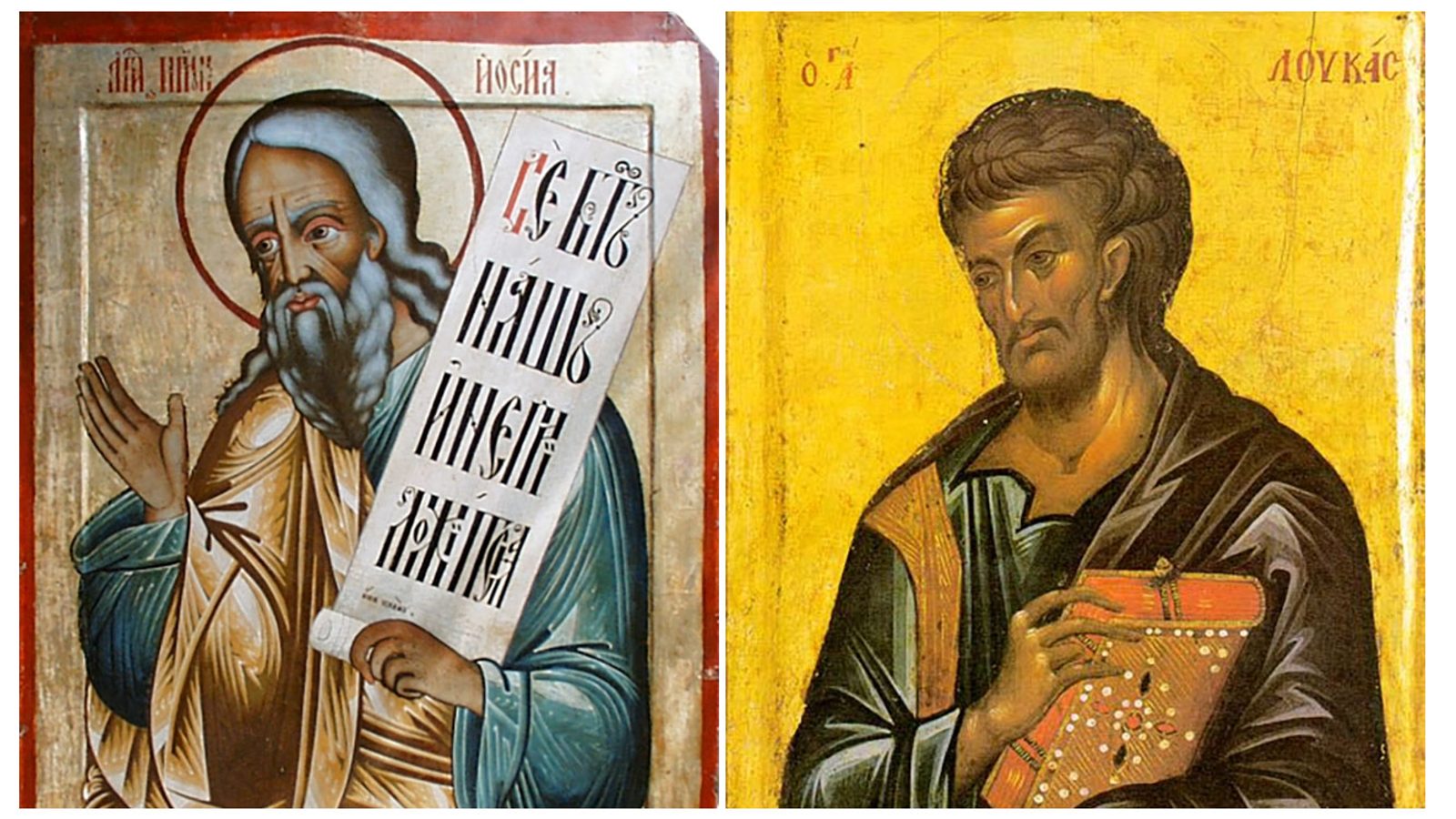
Orthodox Christians mark the feast of the Prophet Hosea on October 30, a day dedicated to remembering one of the twelve minor prophets whose teachings stress repentance, mercy and sincere faith. Hosea, active in the 8th century BC, called people away from injustice and spiritual distance from God and insisted that true religion shows itself through deeds as well as words.
How to observe the day — prayer, good deeds and avoiding harm
The day traditionally begins with prayer and thanksgiving for health, family and blessings. Those who can are encouraged to attend church services, light a candle and pray for peace, wellbeing and the welfare of loved ones. Practical expressions of faith are emphasised: helping someone in need, visiting an elderly or lonely relative, and offering support to a friend in difficulty are all considered fitting ways to honour the prophet’s message.
Believers are also reminded of the priority of mercy over empty ritual. The feast is an opportunity to reflect on personal behaviour, to seek reconciliation where relationships are broken, and to replace anger, pride and hatred with patience and forgiveness. Small acts of kindness can have a large impact, especially for people facing hardship.
Customary taboos recorded in folk tradition vary by region. On some holy days people avoid washing, heavy cleaning, sewing or other strenuous household work; elsewhere there are beliefs about bathing or starting new tasks. These customs are folk practice and not mandatory church rules — the Orthodox Church does not teach that ordinary household chores automatically bring misfortune.
This year October 30 falls on a Friday, which in many Orthodox communities is normally a fasting day unless the church calendar specifies otherwise. Observance of fasts depends on the calendar rules, personal health and spiritual guidance. Fasting in Orthodoxy also means restraint from bad thoughts and actions; bodily abstinence should go hand in hand with prayer, humility and moral behaviour.
Above all, the feast of the Prophet Hosea is meant to remind modern believers to make room in busy lives for gratitude, patience, honesty and care for others. Rather than fearing folk prohibitions, the faithful are urged to use the day for prayer, family, and acts of compassion that reflect the prophet’s lasting message: people can change, repent and return to goodness through love, mercy and forgiveness.
Photo: press material from the event