Serbia ahead of 25 October 2026 vote: allegations of vote‑buying, intimidation and pressure on the opposition
A former ruling‑party member alleges payments to hire thugs and buy votes; monitors report intimidation and student candidates are gaining traction.
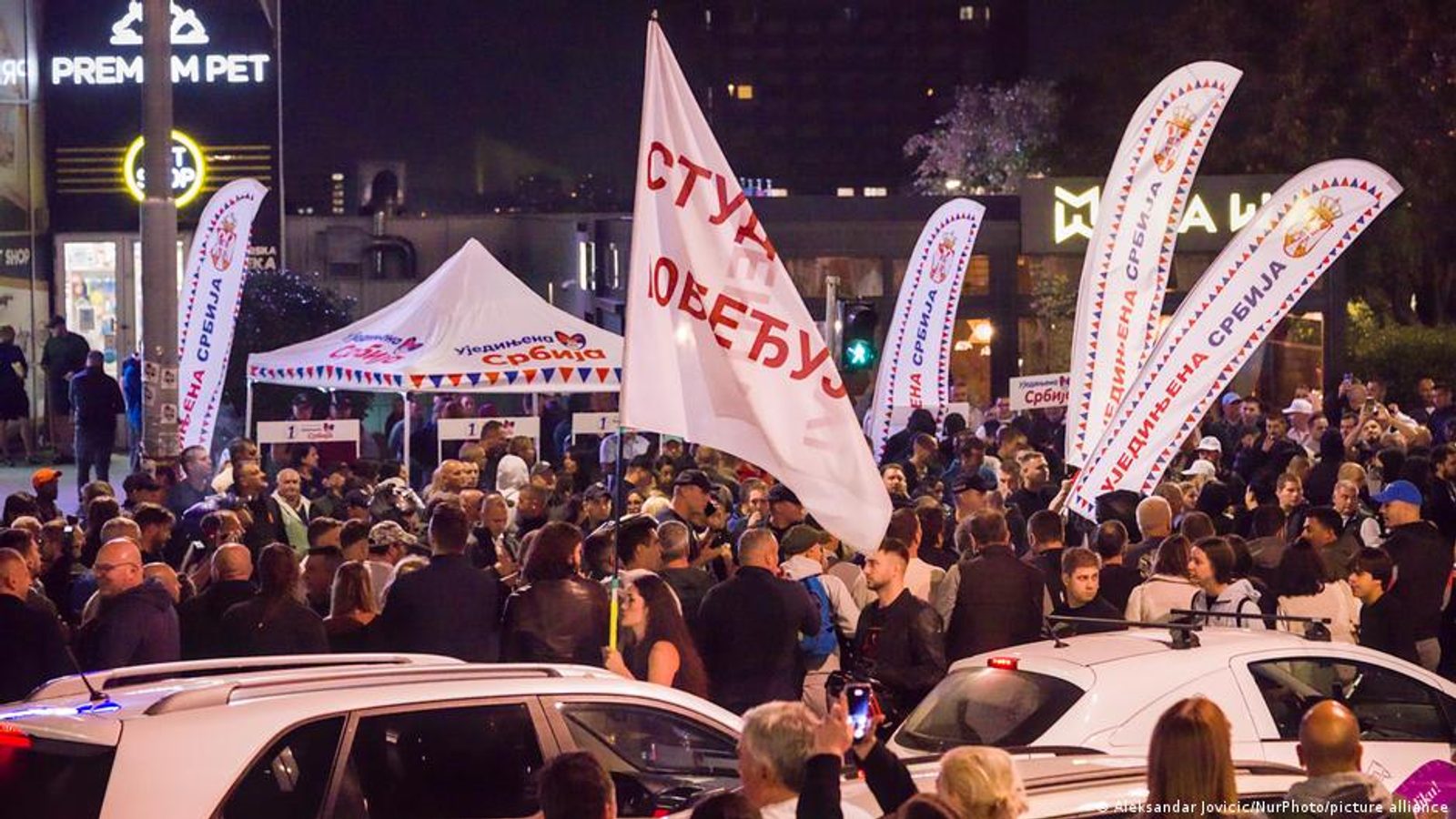
As Serbia approaches the parliamentary vote scheduled for 25 October 2026, a foreign analysis paints a picture of a campaign marked by allegations of intimidation, vote-buying and pressure on the opposition. The piece highlights new accusations by a former ruling-party insider and points to growing mobilisation from a student-led list that has entered the electoral contest.
Key allegations and electoral context
Former Serbian Progressive Party member Momcilo Marjanovic, now 54, told investigators he had been paid for a job that did not exist at the city cemetery management company in Novi Sad and, he says, that from November 2024 he received payments from the director of the state heating producer in Novi Sad or from that director’s secretary “between €350,000 and €400,000 intended for paying thugs and for buying votes.” These claims, the analysis says, arrive at a tense moment shortly before the 25 October vote.
The author, Florian Hassel, writes that “For the first time in more than a decade the rule of the autocrat Aleksandar Vucic, who has governed Serbia since 2012, is under threat.” The report recalls that observers flagged numerous problems already in the 2023 parliamentary poll and that the EU issued a critical assessment in July 2026 pointing to deficits in the rule of law and an absence of genuine political debate even inside parliament.
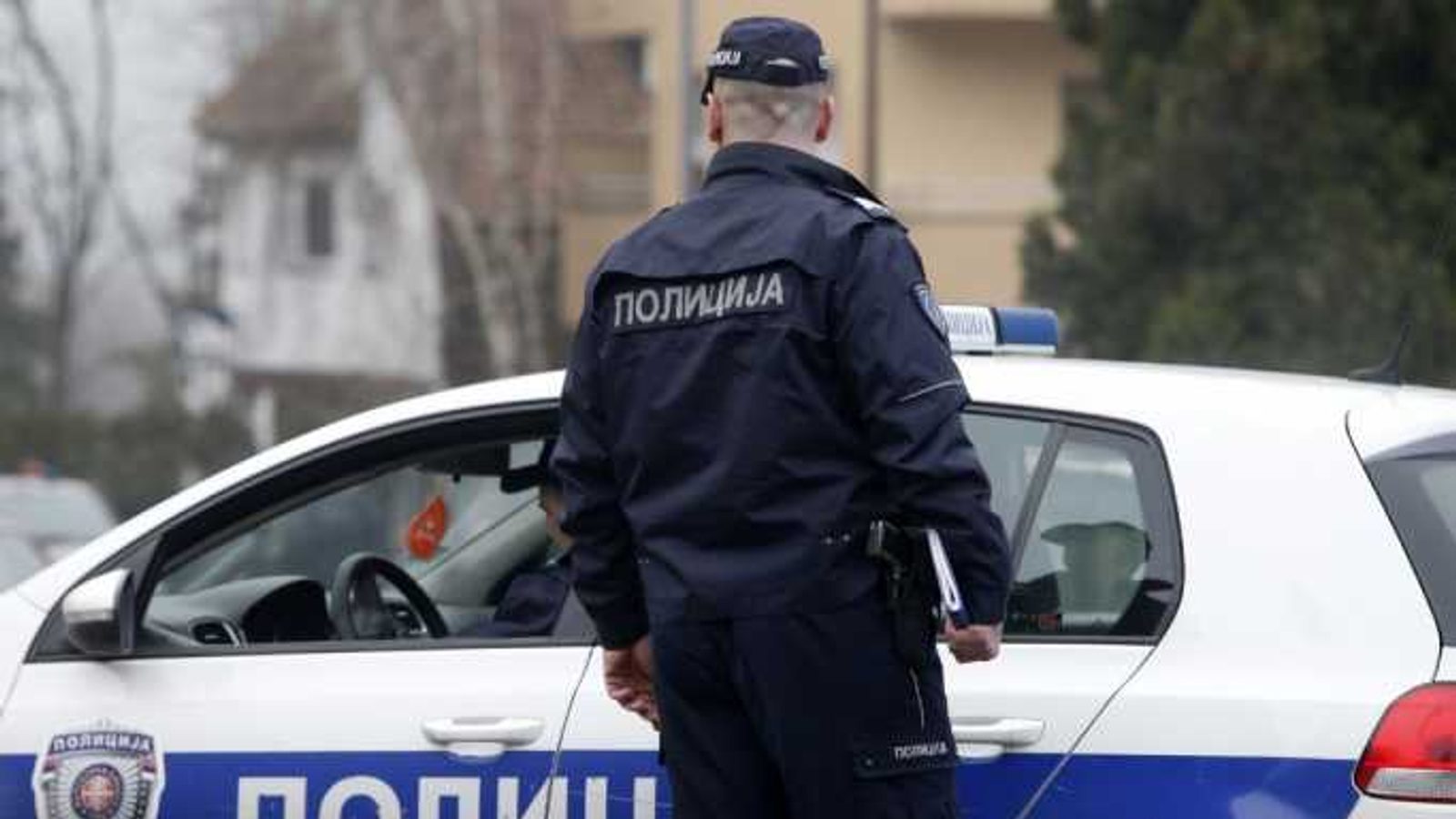
International monitors from the OSCE reported on 9 October about “numerous cases of intimidation” of opposition activists during the campaign, including incidents of physical violence. The analysis also cites CRTA, which recorded 49 attacks in the first three weeks of the campaign allegedly carried out by thugs close to the authorities.
The piece describes the rise of the student-backed list called “Students Win,” led by Ilija Srdanovic, a Novi Sad medical professor. The report says the list includes professors, artists and entrepreneurs and that pro-government media have sought to demonise the student movement and Srdanovic. Separate findings by the Sher foundation say at least 14 student representatives were illegally surveilled via mobile phones using the Israeli Pegasus spyware.
Other concerns raised concern election administration and registration: since May some 236,000 new identity cards were issued, a prerequisite for inclusion in voter registers; observers in previous polls reported phantom addresses and organised transport of voters from the Republika Srpska to vote in Belgrade. The analysis also warns that more than 100,000 Serb citizens registered to vote abroad will face practical obstacles because they can cast ballots only on election day at Serbian diplomatic-consular missions, during the same hours polling stations open inside Serbia — from 7 to 20 hours — which, given time differences for distant continents, will make participation extremely difficult.
Photo: press material from the event