Translation of the Relics of Venerable Maximus the Confessor Is Commemorated Today
The feast marks the transfer of the relics and reminds the faithful of the teachings and sufferings of Maximus the Confessor.
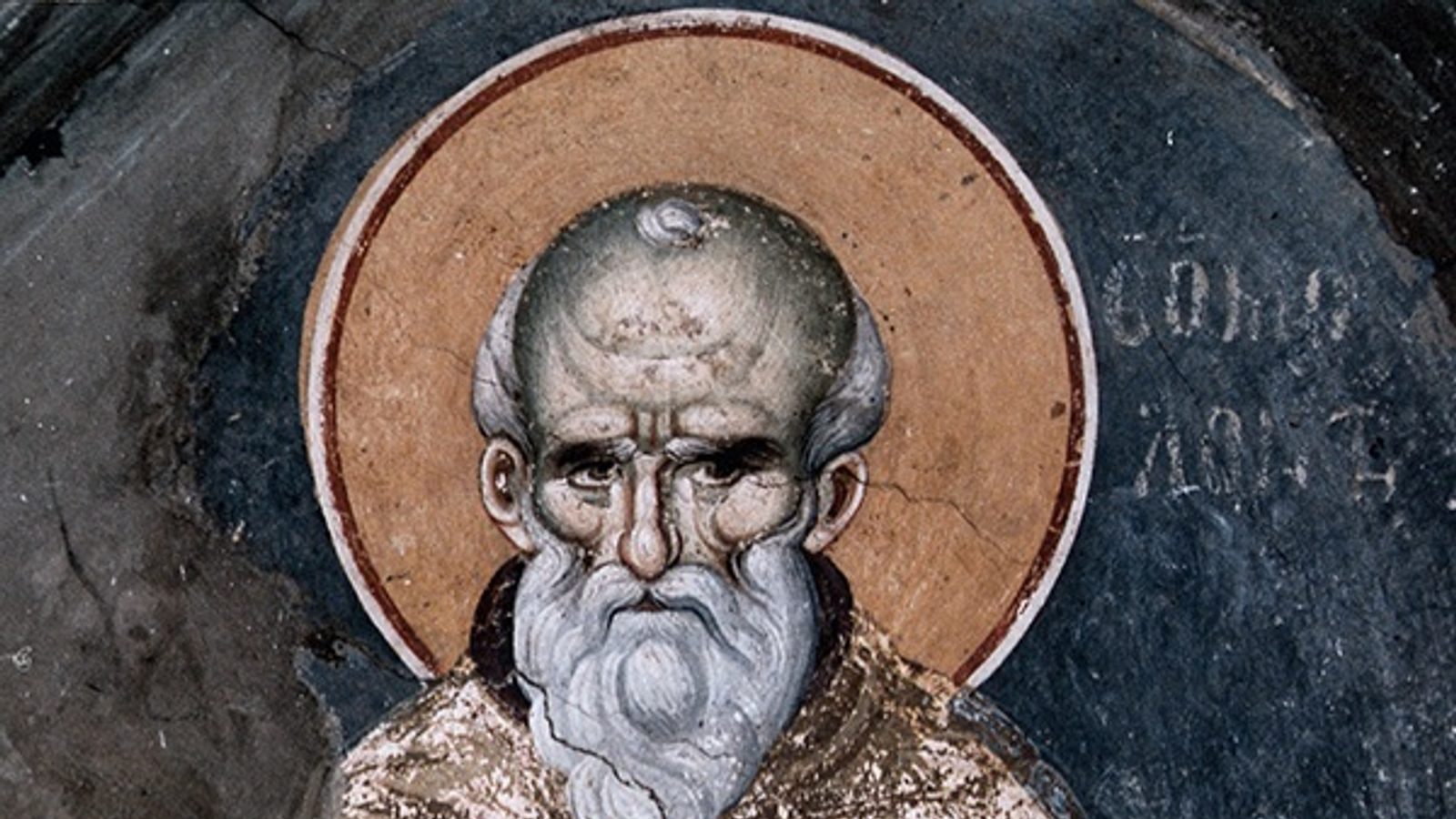
Today, in the church's liturgical customs, the translation of the relics of Venerable Maximus the Confessor is commemorated — a theologian who by origin was a Constantinopolitan and initially served as a high-ranking courtier in the palace of Emperor Heraclius, and later withdrew into monasticism and became abbot of a monastery near the capital.
At the time of the polemics over the question of Christ's nature and will, Maximus took the side of church dogma against the so-called monothelite heresy, which, it is noted, developed out of the Eutychian heresy. While Eutyches had claimed that Christ has one nature, the monothelites argued that He has one will; Maximus, however, persistently maintained that Christ has two wills, corresponding to the two natures.
The Councils and the Consequences for His Life
At his urging, councils were held in Carthage and in Rome that condemned the teaching of the monothelites and pronounced anathemas against this position. His persistence provoked extremely harsh reprisals: he was maltreated by princes, deceived by judges, spat upon by the crowds, beaten by soldiers, persecuted and imprisoned.
According to tradition, his tongue and hand were cut off and he was condemned to lifelong exile in the land of Scythia, where he spent three years in prison. He surrendered his holy soul to God in 666.
Today’s feast refers to the transfer of his relics from Colchis (Georgia) to Constantinople — an event that cemented his reputation as one of the foremost defenders of Orthodox teaching.
Photo: press material from the event