President Gordana Siljanovska-Davkova urges EU to act as objective broker in accession talks
President calls for strict rules to exclude bilateral issues from accession talks and demands predictability and institutional guarantees.
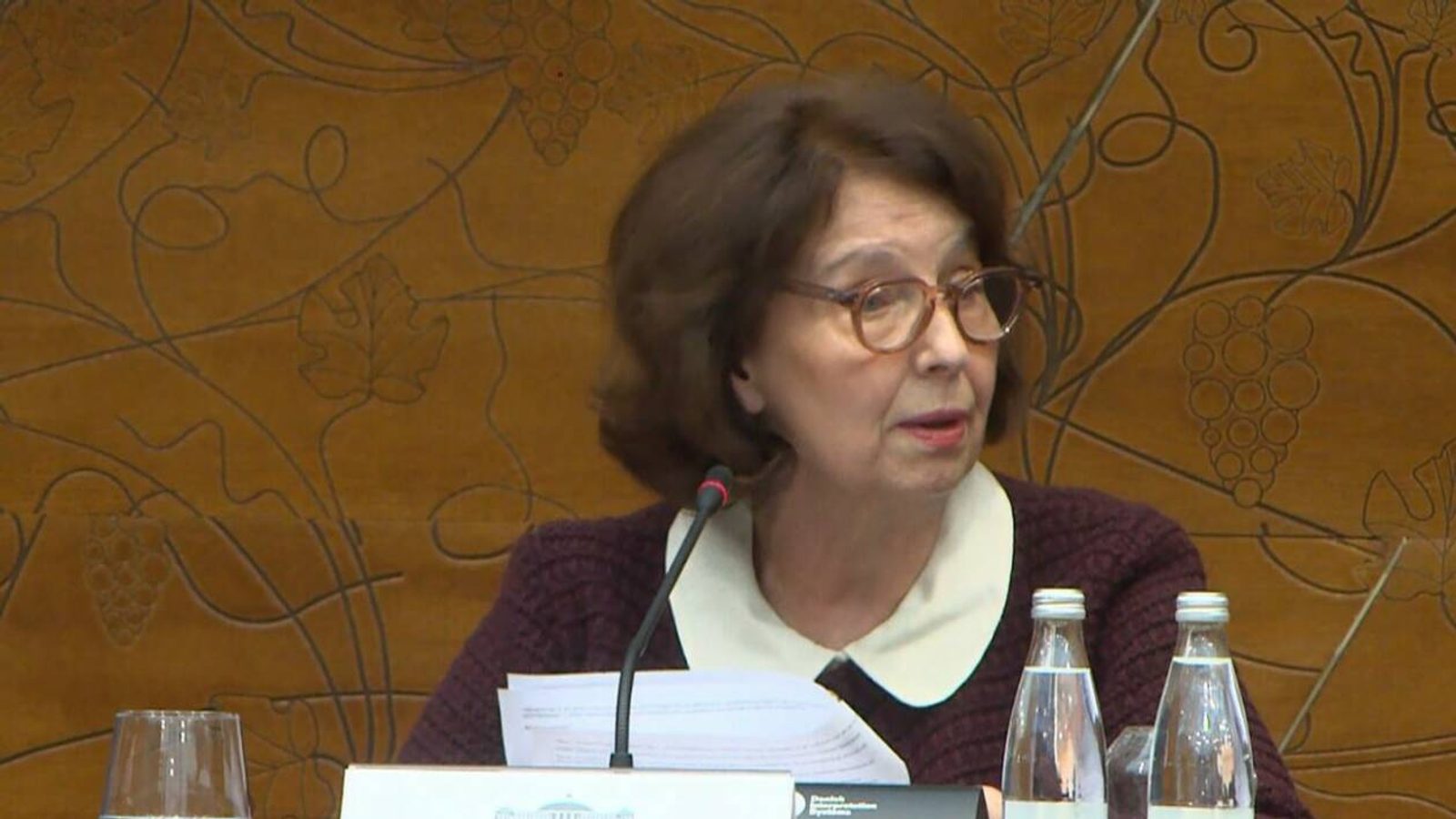
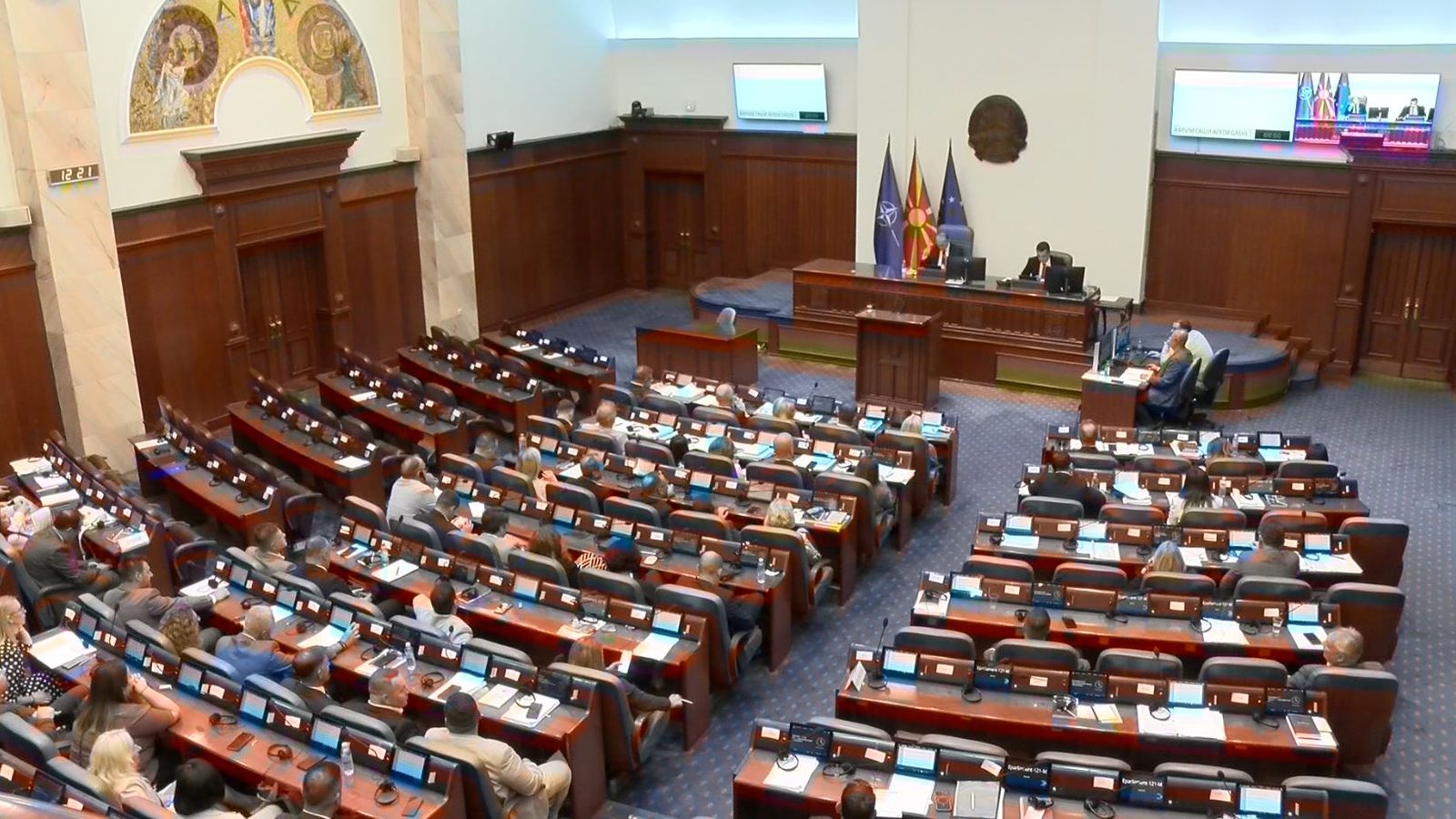
President Gordana Siljanovska-Davkova urged the European Union to act as an objective broker and to apply EU rules, principles and values consistently, saying North Macedonia seeks accession on the basis of merits rather than privileges or lower standards. Her remarks came during a parliamentary debate on the European Commission's report on the country.
Calls for clarity on bilateral issues and predictability
Siljanovska-Davkova warned there is currently no predictability in the accession process, that the line between accession criteria and bilateral matters has become unclear, and that there are no institutional guarantees that fulfilling the conditions will automatically produce negotiation progress. "From the EU we expect, as an objective broker, to make clear through strict rules that bilateral issues not related to accession criteria should not be part of the negotiations, and that this principle must have real institutional application, not remain only as a declaration, both for others and for us," she said.
EU Ambassador Michalis Rokas said North Macedonia is among the countries with the highest level of preparedness and summarized both positive and negative elements in the Commission report. He stressed that the next phase depends on constitutional amendments and reforms, and argued that the judiciary and prosecution need larger budgetary support. He also condemned violence against women and urged MPs to reach agreement on two‑thirds majorities for reform laws. "I believe that everyone present here shares the goal of EU membership. The critical judicial reforms will reflect this message; that means rule of law, the Electoral Code and constitutional amendments. All of this will show that we have a united front in the Assembly when it comes to European integrations," Rokas said.
At one point, a SDSM leader asked the ambassador for help to counter what he described as government propaganda portraying SDSM’s steps toward EU membership as betrayal. Rokas did not reply to the question, and MPs from VMRO‑DPMNE responded instead. "Is it treasonous, Ambassador, what is about to happen? – Is there treason behind the constitutional amendments or not? – Do you need to help? – We need it, the state needs it, the citizens need it, the European Union needs help," said Venko Filipche, president of the National Council for European Integration.
Antonio Milososki, chair of the Commission for European Affairs, answered that international arbitration can be an option for bilateral disputes but not for internal political quarrels. He added that Montenegro’s path to EU membership will be a major test for the process and that developments around its accession will offer an indicator for other candidate countries.
Photo: press material from the event