Wheat growers lose eligibility for 2026 subsidies after new seed and area requirements
New 2026 rules require certified seed and raise minimum area and seed rates; Ministry says amendments can be considered and plans simplifications for 2027.
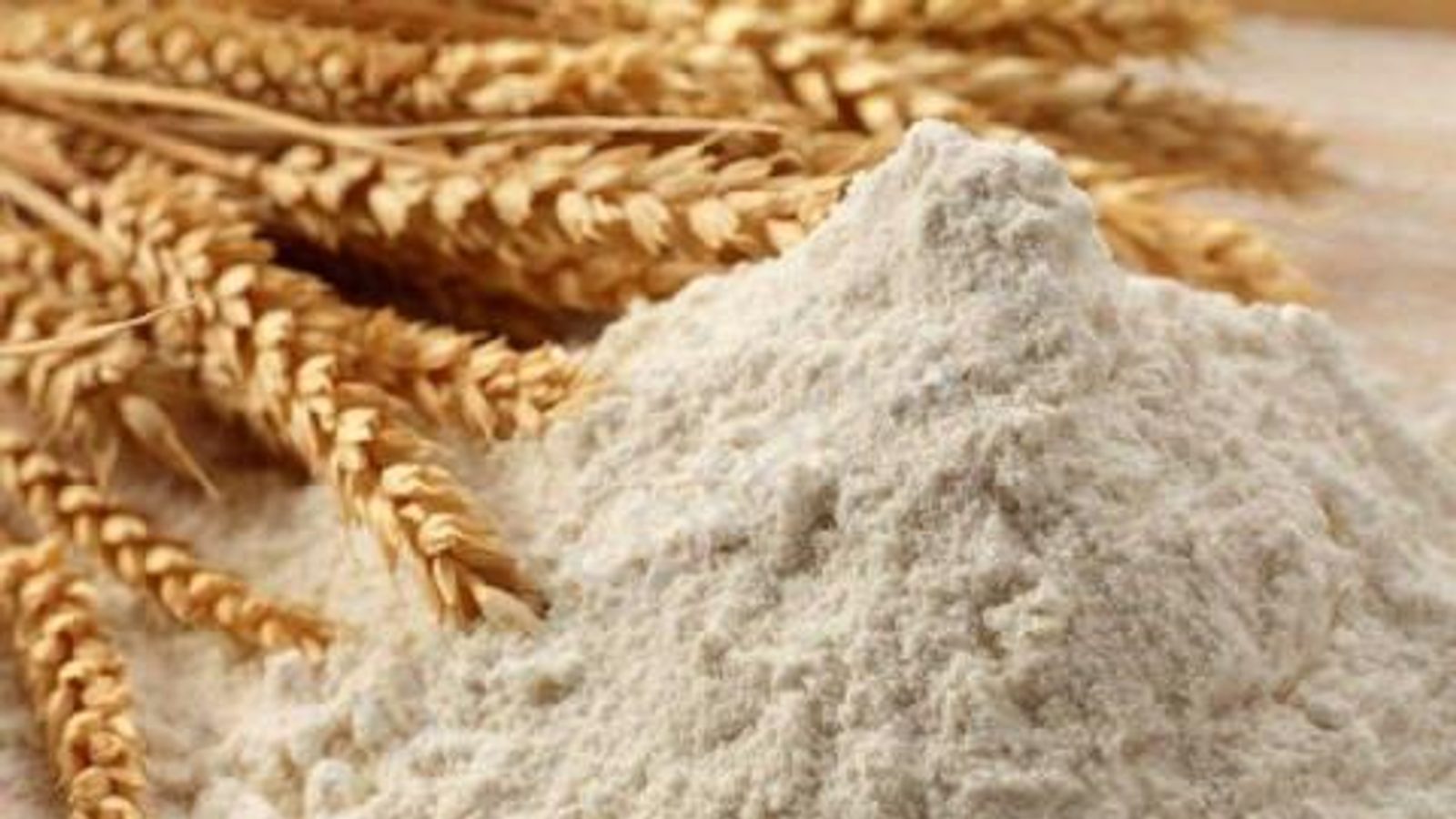
Farmers who planted and harvested wheat this year say they are unable to claim state subsidies because the 2026 support programme introduced a requirement to use certified seed — a condition they did not expect when they sowed last autumn.
“Last year we had the option to submit an application also for areas sown with our own seed and we received 600 denars per decare for that. From this season, with the new program that was published last week, the option to apply if there is no certificate for seed material has been removed. This year the minimum sown area threshold has also been increased, meaning you cannot apply with less than 7 decares. Also, the threshold for used seed material was increased from a minimum of 15 kilograms per decare to 20 kilograms per decare,” said a farmer from Krivogaštani.
The official conditions laid out for 2026 require, among other things, a minimum declared area of 0.7 hectares (7 decares), use of certified seed in accordance with the minimum quantity of 200 kg of seed per hectare, a minimum average yield of 3,000 kg per hectare, and that the produced wheat be sold between 1 June and 15 October 2026 or stored with a registered purchaser. Direct payments for wheat grown with certified seed are set at 18,000 denars per hectare.
Ministry: amendments possible, longer-term simplifications planned
“With regard to the current Program for financial support in agriculture for 2026, the Ministry has reviewed all submitted comments and initiatives from agricultural producers and their organizations. If the analysis shows that certain proposals are justified and well-founded, and were submitted within the period before the deadlines for submitting applications for the specific measure, it may proceed to propose appropriate amendments in accordance with legal procedures,” the Ministry of Agriculture said.
Producers warn the market situation is worsening: they say purchasing began at 10 denars per kilogram but has since fallen to 9.5 denars, while costs have risen by at least 30 percent compared with last year. “If we do not receive subsidies as well, we will be deep in the red,” farmers told reporters.
The Ministry added that it does not set a purchase price for wheat. “The Ministry does not set the purchase price of wheat, because it is formed according to market conditions, i.e. based on supply and demand, the quality of the product and contractual relations between producers and buyers. The Ministry monitors the situation in the sector and is in communication with all stakeholders in order to ensure conditions for unobstructed purchase and stable production of domestic wheat,” the Ministry said, while also noting that 13,794 applications were submitted for measure 1.1 in 2025.
Photo: MIA