Preliminary Bosnia and Herzegovina results: Cvijanović leads; turnout about 10% lower than 2022
Preliminary Central Election Commission data: Cvijanović ahead, Filipović leading for Croat member, turnout about 10 percentage points lower than in 2022.
Preliminary returns from the Central Election Commission of Bosnia and Herzegovina show Željka Cvijanović leading the race for the Serb member of the three-member Presidency in the 2026 general elections, having received 55.6 percent of the vote so far. Denis Bećirović, the candidate of the "United for the State of Bosnia and Herzegovina" coalition, stands at 38.03 percent, while Darijana Filipović leads the contest for the Croat seat.
According to data processed from 80 percent of polling stations, Filipović — the HDZ BiH candidate — has 48.19 percent of the vote, equal to 92,854 ballots counted.
Turnout and voter totals
The Central Election Commission's preliminary figures record a total of 1,414,007 voters, representing 41.48 percent turnout based on the voter register. The total number of registered voters in the dataset is 3,408,517, and the Commission noted that some polling places were opened late and that not all stations had closed at the time of the report.
Separately, turnout at regular polling stations was reported as 42.79 percent, with 1,412,708 voters recorded out of 3,301,561 registered at those locations. Voting outside the place of residence (so-called absentee voting) showed 1,299 voters from 5,476 registered, a participation rate of 23.72 percent. Personal voting at designated places was recorded as 0 of 554 registered voters (0.00 percent).
The Commission highlighted that the overall turnout this year is nearly 10 percentage points lower than in the previous general elections held on October 2, 2022, when turnout reached 51.45 percent and 1,733,206 people cast ballots from a total of 3,368,666 registered voters.
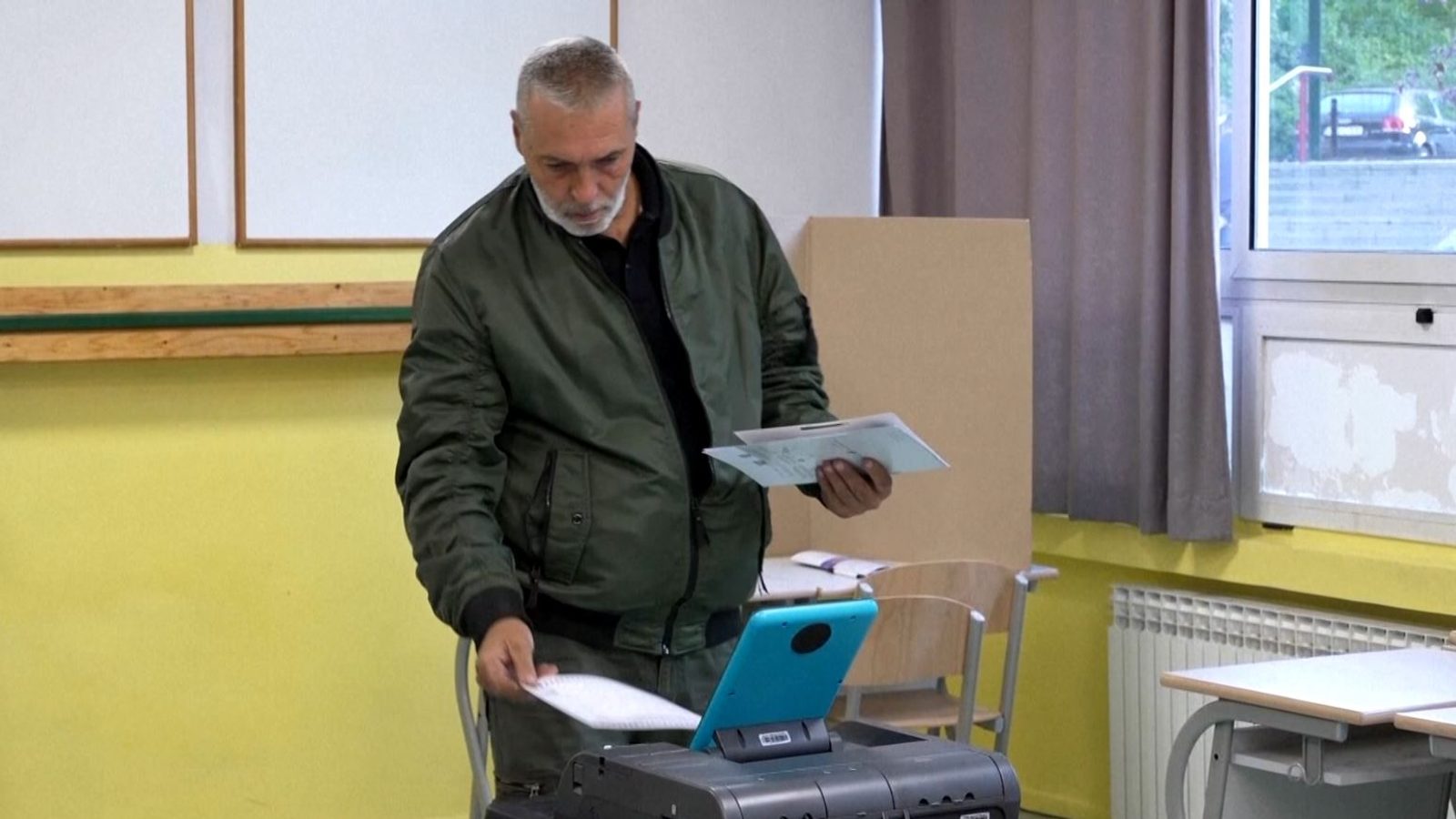
Analysts and election officials say the fall in participation is notable; while voter motivation is the main driver, the introduction this year of new electoral technology could also have reduced irregular votes and certain forms of fraud, which may affect how turnout and results are ultimately interpreted.
Photo: press material from the event