Putin denies mobilization rumours as Russians report verification notices and job ads
Putin rejected claims on 1 and 3 September 2026, but verification notices, alleged raids and job listings suggest authorities and companies are preparing.
Russian President Vladimir Putin has publicly dismissed recent rumours about a new military mobilization, but many people inside Russia remain unconvinced and are taking practical steps in case one is ordered.
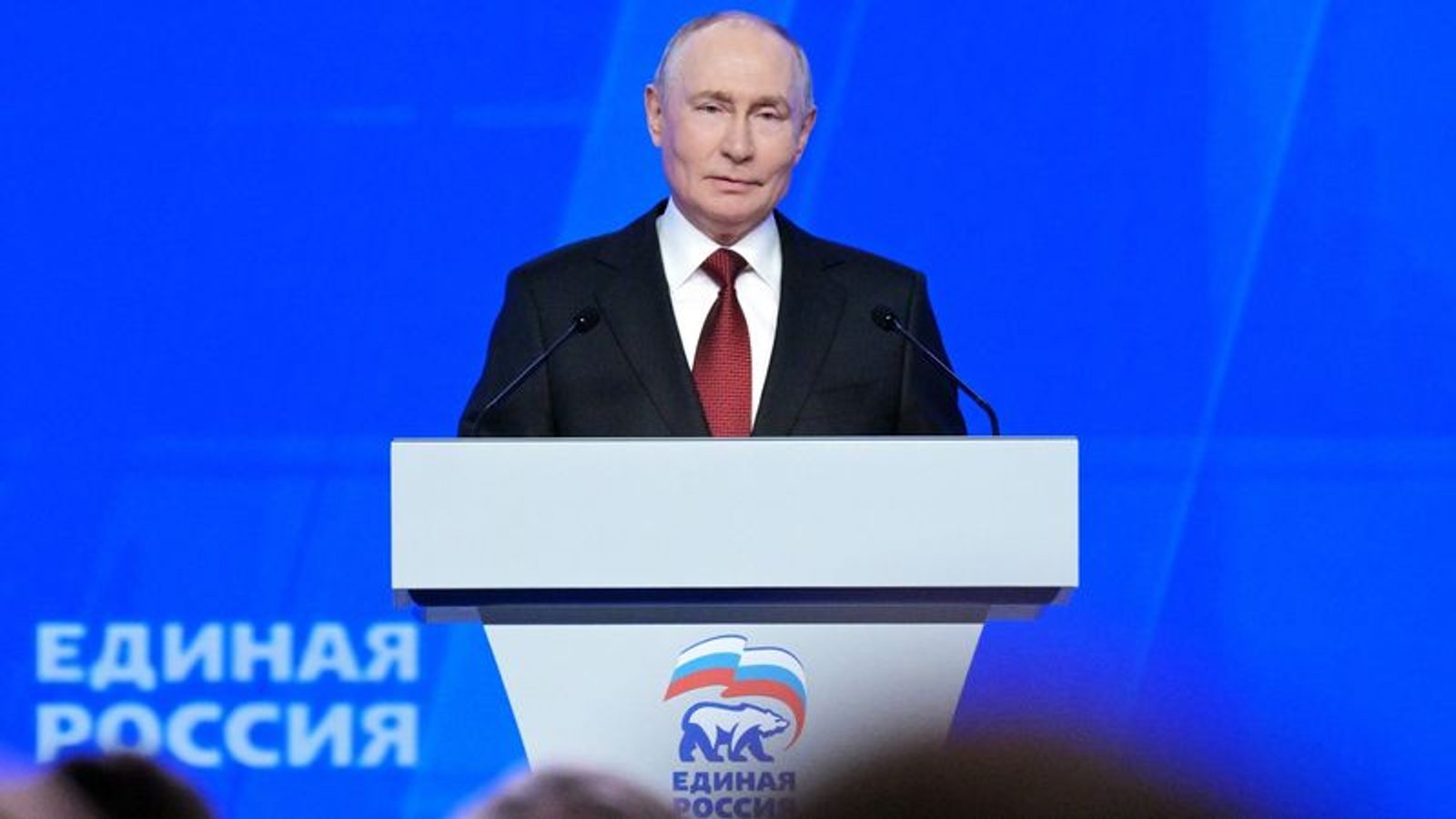
In the first week of September 2026 Putin spoke twice to reject the reports. On 1 September he called the rumours "total nonsense" and described them as "an informational attack". Two days later, at the Eastern Economic Forum in Vladivostok on 3 September, he said "today there is no scenario that would require mobilization."
Signs of preparation on the ground
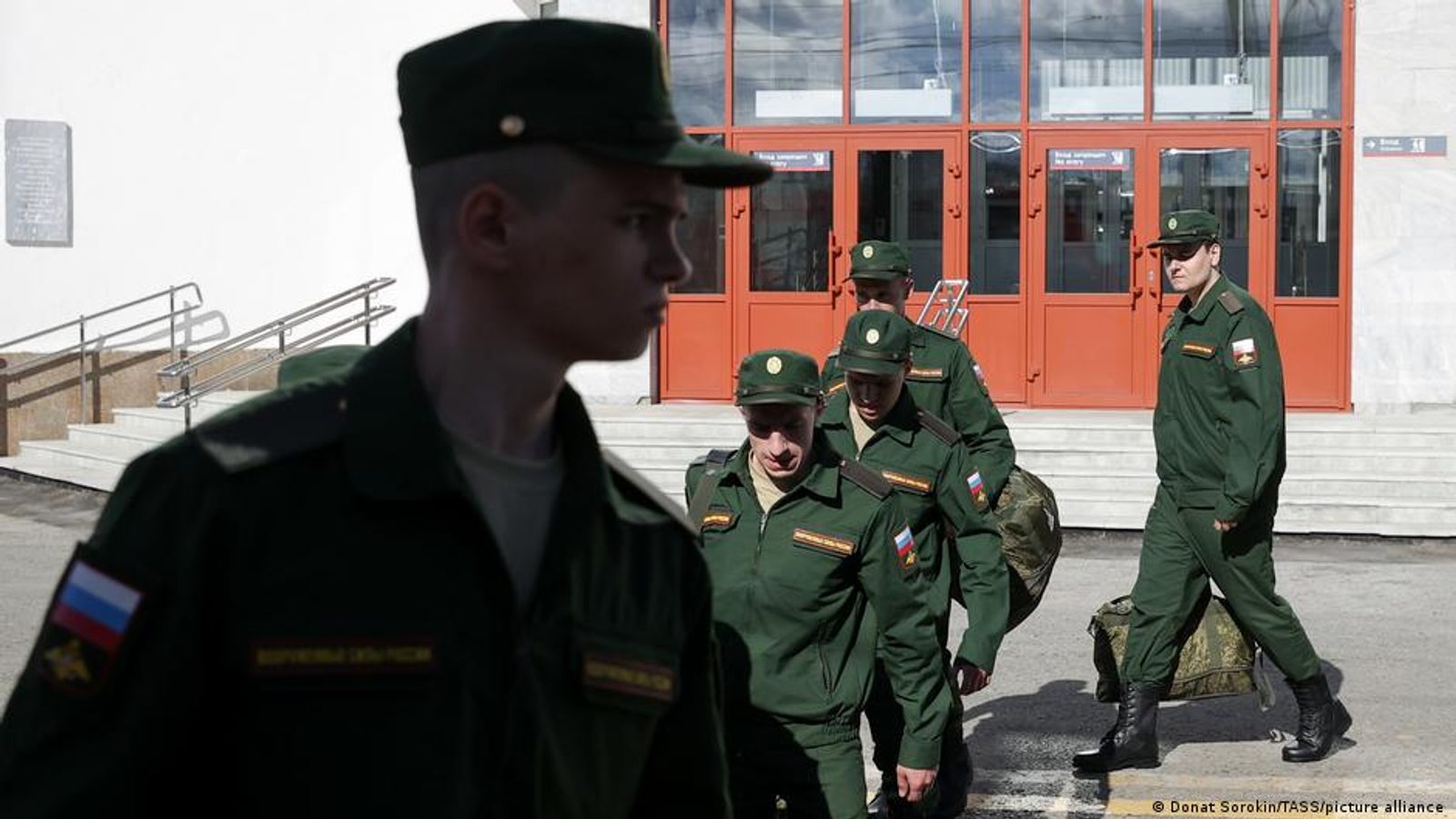
Despite the denials, readers inside Russia have reported receiving official notifications to "verify data" with military recruitment offices. One reader from the industrial city of Naberezhnye Chelny wrote that "My grandson received an invitation to verify data." Another reader identified as Maxim said he had been ordered to "appear for a data check" despite running his own business. A reader named Sergey reported that a teacher friend received a notice via the government services portal Gosuslugi on 9 July to update his records.
Some recipients interpret such notices as a prelude to being called up or to future travel restrictions. One correspondent said a known acquaintance left Russia two months earlier after receiving a data-verification summons from a military recruitment office; others told journalists they were trying to travel abroad while departures remained possible.
Reports from June said men in the Penza region were allegedly taken by force to recruitment offices and compelled to sign military contracts. Lena Lemyasova, a journalist at Important Stories, described raids near apartment entrances in which people were detained and later reported transported to military units where families could not immediately trace them.
Legal experts contacted by reporters say that a notice to verify personal data does not by itself amount to conscription. Lawyer Artem Kliga said: "These invitations only indicate that the registration offices have significantly improved their procedures for military registration. If mobilization begins, such data will help authorities quickly call up the people they need." Lawyer Timofey Vaskin added that orders for registration had been issued "before the war and during the war (against Ukraine). But in the first half of 2026, by all indications, they began to be distributed by the hundreds of thousands." He warned the exact numbers are classified but, based on social media and requests to lawyers, the increase had been dramatic, "tens of times larger."
Observers note that the 2022 decree ordering partial mobilization has never been formally rescinded, and the Kremlin spokesman Dmitry Peskov has repeatedly dismissed reporting of a new mobilization as "false stories." Critics point out that Peskov also denied possible mobilization in May 2022, saying at the time that "it is not being discussed at the moment."
Market signals also point to official preparation: since 8 August recruiters found dozens of job adverts on the HeadHunter platform seeking specialists in "mobilization readiness." There were 40 such vacancies in Moscow and the surrounding region and 13 in Saint Petersburg. Some private companies and state bodies advertise posts to plan how an organisation would operate under wartime or special-regime conditions. The independent outlet Agency counted 197 vacancies nationwide that mention "mobilization readiness" and more than 2,600 positions related to "military registration" on the same recruitment platform.
Photo: press material from the event