Putin threatens to seize European ships over seizures of Russian cargo
Putin warned on August 12, 2026 that Moscow could seize European vessels as a reciprocal measure after EU-backed sales of cargo taken from Russian ships.
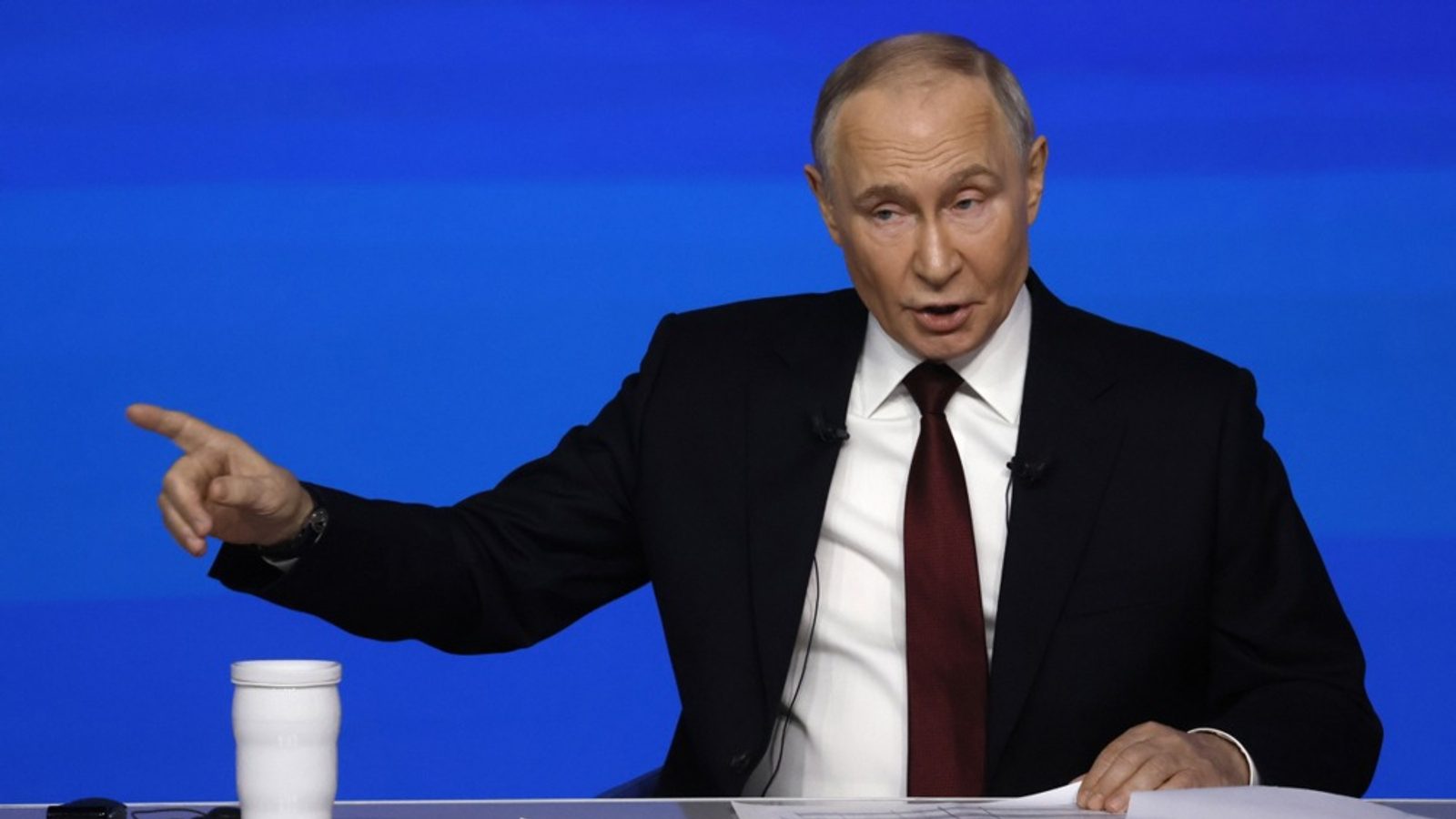
Russian President Vladimir Putin warned on August 12, 2026 that Moscow may seize ships belonging to European countries in retaliation for recent seizures of Russian cargo and the EU decision to allow the sale of that property. Putin made the remark while visiting the missile cruiser Varyag and observing the final phase of large-scale Pacific Fleet exercises in Russia's Far East.
Response to seizures and new EU measures
Putin framed the moves by several European states — which have intercepted vessels carrying Russian oil and other goods — as an unacceptable escalation. He said the package of measures adopted by the European Union in July 2026, which permits member states to sell oil or other cargo taken from seized ships, had drawn a sharp reaction from Moscow and was described by Russian officials as "piracy and robbery."
Addressing military personnel aboard the cruiser, Putin warned: "We will be forced to respond in kind. Moscow will act 'wherever we deem necessary and appropriate, regardless of where'." He tied the threat to a wider argument that NATO and partners are increasing their presence in the Pacific and thereby raising the risk of confrontation in the region.
Documents seen earlier in August 2026 by international press indicate that a Swedish court has approved handing a seized Russian vessel to Kyiv; that ship is reported to have been carrying grain thought to originate from occupied Ukrainian territory. Russian leaders have cited such cases as justification for stronger countermeasures.
The Pacific exercises Putin attended involve a substantial deployment: roughly 60 surface ships, submarines and auxiliary vessels, about 30 aircraft, helicopters and unmanned aerial vehicles, and more than 13,000 personnel operating in the Sea of Japan, the Sea of Okhotsk and the northwest Pacific. Putin said the drills are needed to maintain the fleet's combat readiness, to protect Russian interests and to bolster Moscow's military posture in the Asia–Pacific theatre, drawing on lessons from the war in Ukraine.
At the same time, Putin insisted Russia does not threaten Japan and has no territorial claims against Tokyo: "I would like to emphasize that we do not threaten Japan. We have absolutely no grievances. For the first time in its newest military-doctrinal documents, Japan mentioned Russia as a source of primary threats," he said. The president also used the visit to announce that he had pardoned and released a U.S. Marine from custody.
Photo: EPA/SERGEI ILNITSKY