Working on an oil platform: pay up to €85,000, requirements and how to apply
Salaries in some offshore roles exceed €80,000; what certificates, shift rotations and application steps candidates from North Macedonia should know.
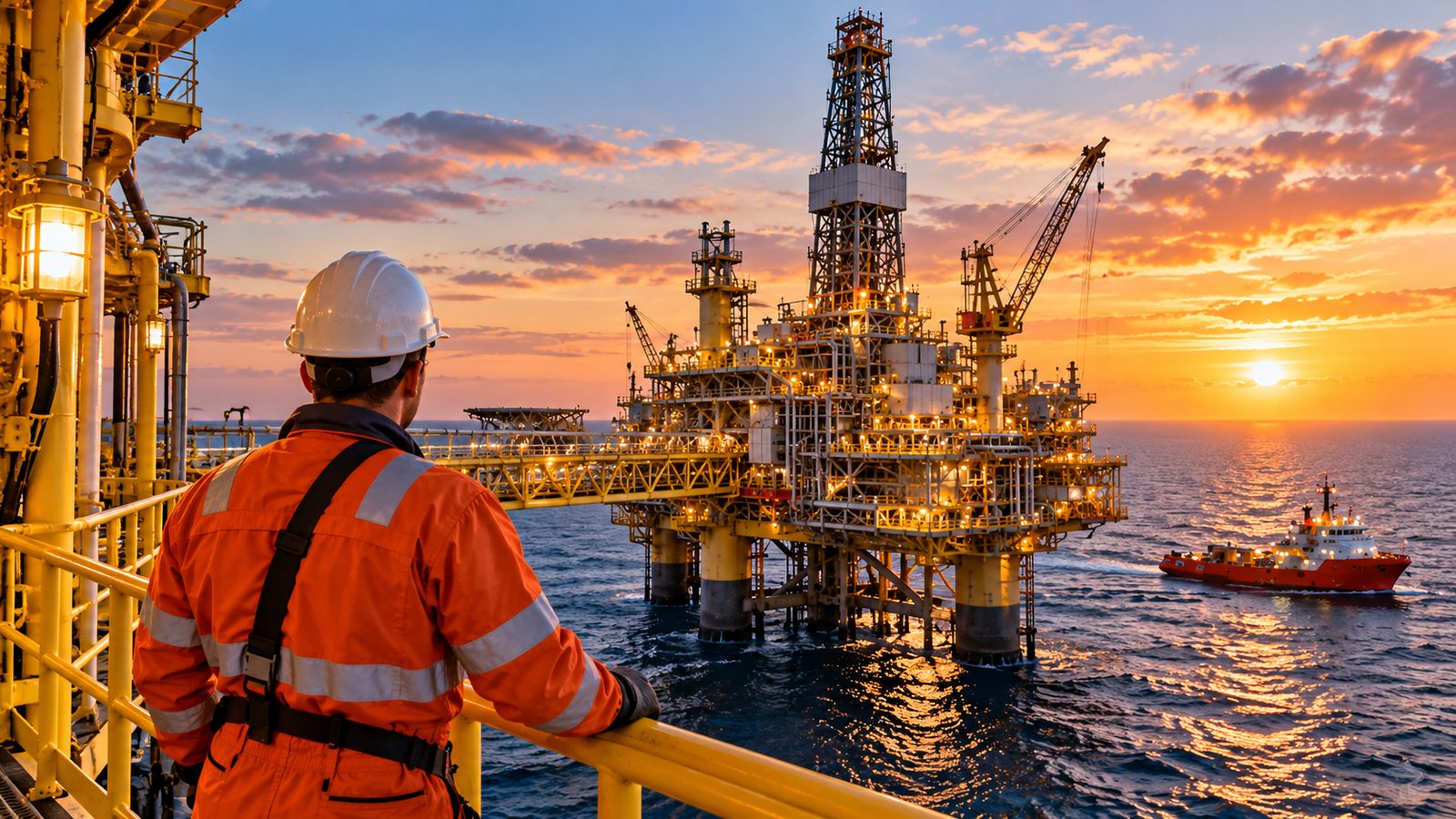
Working on offshore oil and gas platforms abroad is an increasingly visible option for candidates from North Macedonia seeking higher pay, especially those with technical training, trades skills or industry experience. Depending on role, qualifications and host country, annual earnings can exceed €80,000 and some specialised jobs are reported to pay above €100,000.
Demand covers a wide range of profiles: engineers, electricians, mechanics, welders, technicians and operators, as well as catering and facilities staff. The largest European offshore markets are Norway and the United Kingdom, particularly the North Sea; opportunities also exist in the Netherlands, Denmark, Middle Eastern countries and the Mexican Gulf.
Pay varies strongly by position. According to orientational estimates for 2026, production operators in Norway can reach about €85,000 a year on certain postings, while automation technicians may earn roughly €84,000. Workers engaged in assembly, repair and structural maintenance can see around €68,000 annually. More experienced or highly specialised workers are cited at €77,000–€94,000, and entry-level technical roles around €34,000. Captains of specialised offshore vessels in the related sector can reach approximately €106,000 per year.
Shifts, living conditions and transport
Offshore work typically follows 12‑hour shifts and is organised in rotations. Some companies operate a 14 days on / 14 days off rhythm; others use two weeks on the platform followed by four weeks off. Employers often provide accommodation and meals while onboard, and transport to the installation is arranged by helicopter or vessel depending on location. The work brings longer rest periods ashore but also extended separation from family, limited movement while on duty, and physically demanding routines.
Safety is central to platform employment. Workers must follow strict procedures, wear appropriate personal protective equipment and be trained for emergencies. Many roles require recognised offshore safety certificates: BOSIET is the basic safety training for personnel working offshore, and HUET training covers helicopter emergency escape procedures. Medical fitness checks are commonly required to confirm suitability for the working environment.
Applications from North Macedonian candidates are usually submitted via company websites or specialised recruitment agencies. Recruiters and employers mentioned in vacancy listings include ORLEN Upstream Norway, Expro and Maritimjobb. Applicants should prepare a professional CV in English listing education, previous experience, technical skills and relevant certificates. Prior work in industrial maintenance, machining, electrical trades or welding is an advantage, though some entry positions exist and may require additional training.
Prospective applicants must also verify the right to work in the host country: a work permit or equivalent documentation may be necessary. Experts advise careful scrutiny of offers that promise unusually high pay without matching experience or qualifications. Confirm whether advertised figures are gross or net, which allowances are included, and who covers travel, medical examinations and mandatory training. Offshore platform jobs can be financially attractive, but they come with clear professional demands, responsibility and a distinctive lifestyle.
Photo: press material from the event