Workers from Bangladesh, Turkey and Nepal conquer the Macedonian labor market
The Employment Agency records a rise in demand for labor from third countries; unions link the problems to low wages and poor working conditions.
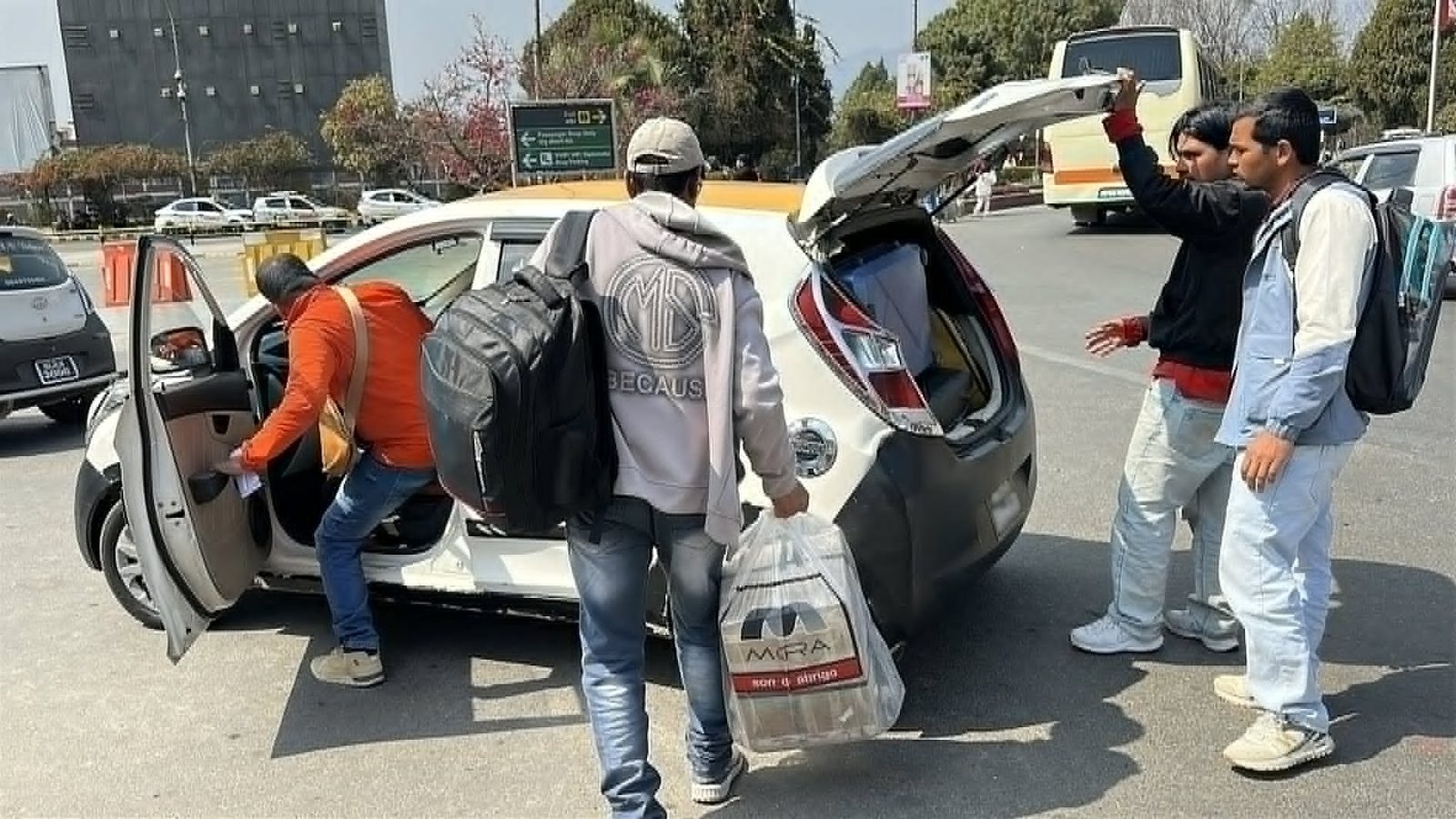
Macedonian employers increasingly seek staff abroad, and the latest data from the Employment Agency confirm growing interest in workers from third countries. For the period from 1 January to 19 August 2026, the Agency issued 1,837 opinions for workers from Bangladesh, 1,257 for Turkey, 787 for Nepal, 323 for India and 46 for Pakistan.
The Agency explains that under its legal competencies it checks the fulfillment of conditions, including quotas and the state of the labor market, and forwards an opinion to the Ministry of Interior in the procedure for regulating a foreigner’s residence on the basis of work. Only after the other legal conditions are also met does the Ministry of Interior make a decision to regulate residence on the basis of work.
For a smaller number of foreigners who have regulated residence on another basis, the Agency is also responsible for issuing work permits. Such permits in a period of seven and a half months were issued as follows: for Turkish citizens 47, for Nepalis three, while Indians received four work permits. The Agency’s analyses show that the greatest demand for foreign labor is in construction, manufacturing industry, the accommodation and food service sector, and in wholesale and retail trade.
What about our unemployed and our informal workers?
The Employment Agency’s website lists advertisements for around 11,000 job openings, while at the same time there are more than eight times as many unemployed people. “The number of unemployed persons, according to the latest data of the State Statistical Office, is 90,020 persons. If you add to this 101,022 informally employed persons, then it is entirely justified to ask the question: why are we importing labor from third countries if Macedonia still has unused domestic labor potential? The question is even more serious if one takes into account the structure of informal employment. More than half, or 51,487 persons, are engaged in agriculture, while construction accounts for 17.2 percent of the total number of informally employed. It is precisely in these activities that the need for additional labor from third countries is most often cited. Therefore, before talking about importing workers, the state and employers must answer one key question: why are these jobs not being filled by domestic workers?” – says Slobodan Trendafilov.
“One cannot expect a domestic worker to accept a job for a wage from which they cannot live with dignity, and at the same time claim that the solution is to import workers from abroad. It is especially hypocritical if employers provide foreign workers with transport, accommodation and food to attract and retain them, while the same or similar conditions are not provided to domestic workers. The union is not against foreign workers. On the contrary, every worker, regardless of where they come from, must have a dignified wage and protection of workers’ rights. But importing labor must not be used as an instrument to lower the price of labor in Macedonia. Finally, we must also be aware of the fact that Macedonia very often serves only as a transit destination for workers from third countries, who after a certain period continue on to Western European countries, where wages and working conditions are significantly better” – adds Trendafilov.
The government for 2026 set a quota of 10,000 work permits for foreign nationals: 9,750 for regular employment, 200 for posted foreigners and 50 for seasonal engagements. Within regular employment, 4,500 permits are intended for new workers, and 5,250 for the continuation of the engagement of foreigners who already work in the country. The quota should not be read as permission to bring in 10,000 new people in one year.
Last year the Employment Agency issued 8,509 positive opinions for work permits, and the Ministry of Interior approved 6,128 permits for temporary residence of foreign workers. At the same time, the reverse process also takes place: Macedonian citizens leave the country in search of better-paid jobs abroad, while some vacant positions are filled by workers from other countries. The question is not only how many foreign workers will come, but also why the domestic economy fails to retain or activate all the people it needs.
Photo: Profimedia