Lidija Raicevic: I will contact the police and then set priorities at the prosecutors' office
Raicevic: I would first review the caseload with colleagues and ask MIA organised‑crime investigators for their overview before deciding priorities.
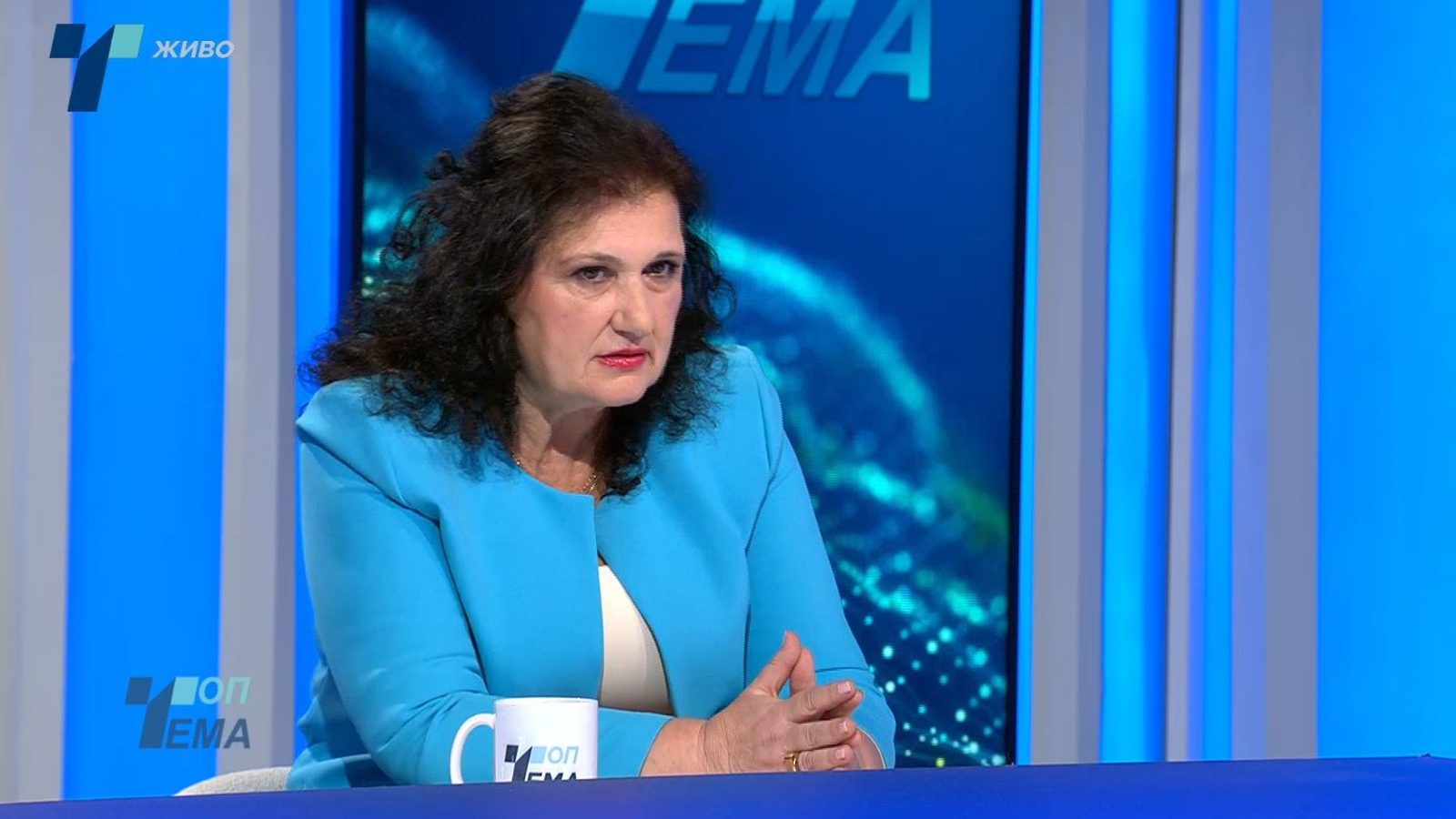
Lidija Raicevic said she would first assess the office's caseload and consult police investigators before setting prosecutorial priorities if appointed head of the Public Prosecutor's Office for Organized Crime and Corruption (OJO-GOKK).
"There is a difference between 'first' and 'priority; when we assess the situation we will see what truly will be a priority. But the first thing I would do if I went to that prosecutor's office is talk with colleagues to see the volume of cases they have, in which phase they are and how they are being worked on," Raicevic said during tonight's Top Tema debate with the three other candidates for the post.
She added she would also reach out to the Ministry of Interior, in particular the organized-crime department, to obtain their current overview of investigations and the cases they are developing.
Gathering the picture before prioritising
"Second, I would contact the Ministry of Interior, especially those responsible for organized crime, so they inform me of the snapshot of information they have, which cases they are working on and the data they are collecting to uncover this kind of crime. After I receive that picture and the information I personally possess, I will make the plan for what will be the priority of the Office's work. I believe priority areas do not depend on the voice of the public; public interest does not always determine prosecutorial priorities — they can be high-profile and important, but what about those that do not reach the public?" Raicevic stressed.
The candidate framed her approach as methodical: first mapping the existing workload and available investigative knowledge, then defining which areas should receive immediate attention rather than following only public pressure or high‑visibility cases.
Photo: press material from the event