US–Iran tensions rise after ceasefire in Strait of Hormuz expires
Sixty-day ceasefire intended to lead to a final deal expired without extension; control of the Strait of Hormuz and recent incidents keep tensions high.
The 60-day ceasefire between the United States and Iran — intended to create a window for negotiating a lasting peace — expired today without being extended, and diplomatic positions in Washington and Tehran remain sharply opposed.
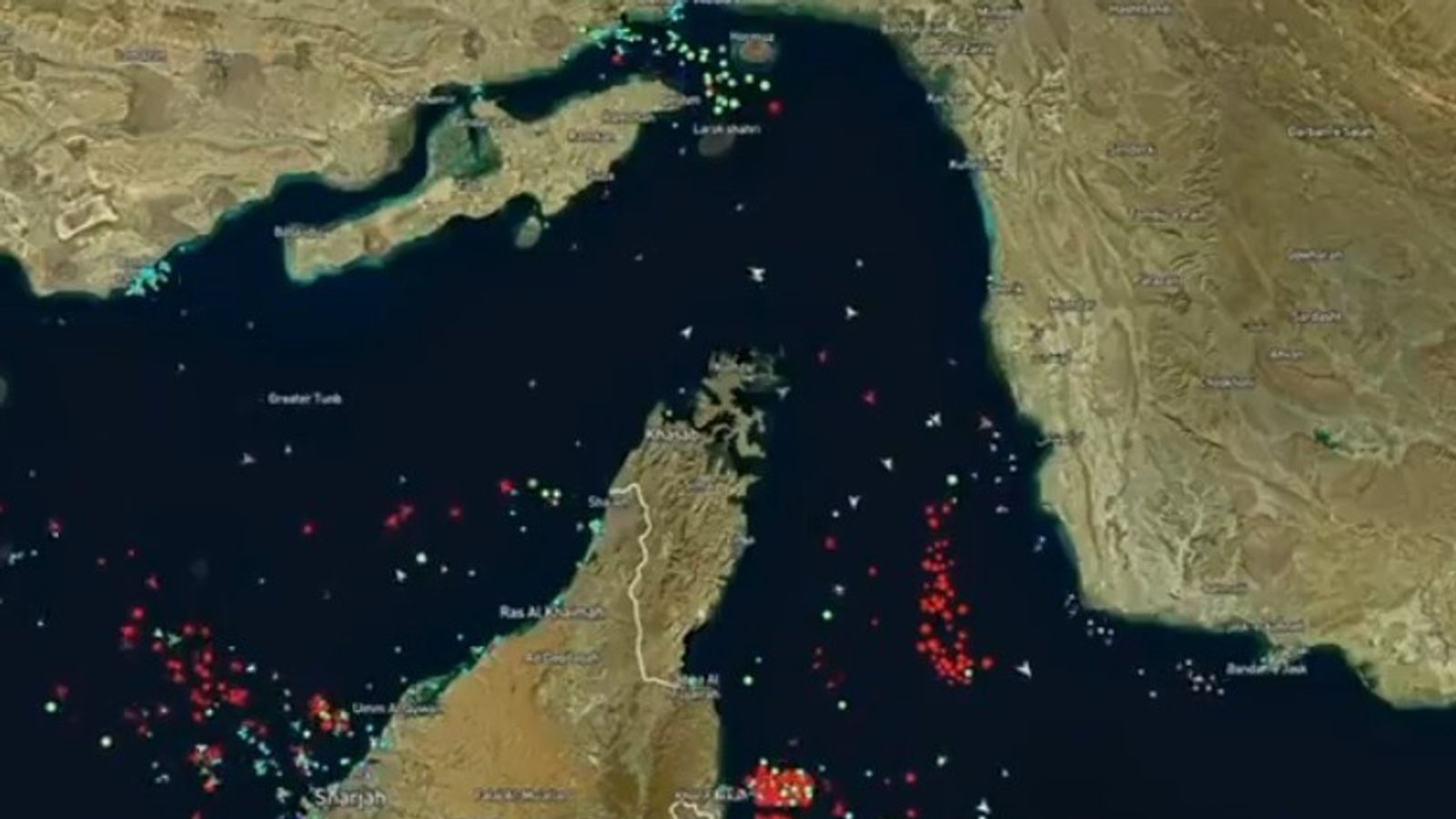
Before the outbreak of the wider American–Israeli campaign against Iran, roughly 20 percent of the world's oil passed through the Strait of Hormuz. Control of that waterway is now a central point of contention between the two sides, with each presenting a different narrative about who actually holds authority there.
Military rhetoric and market reaction
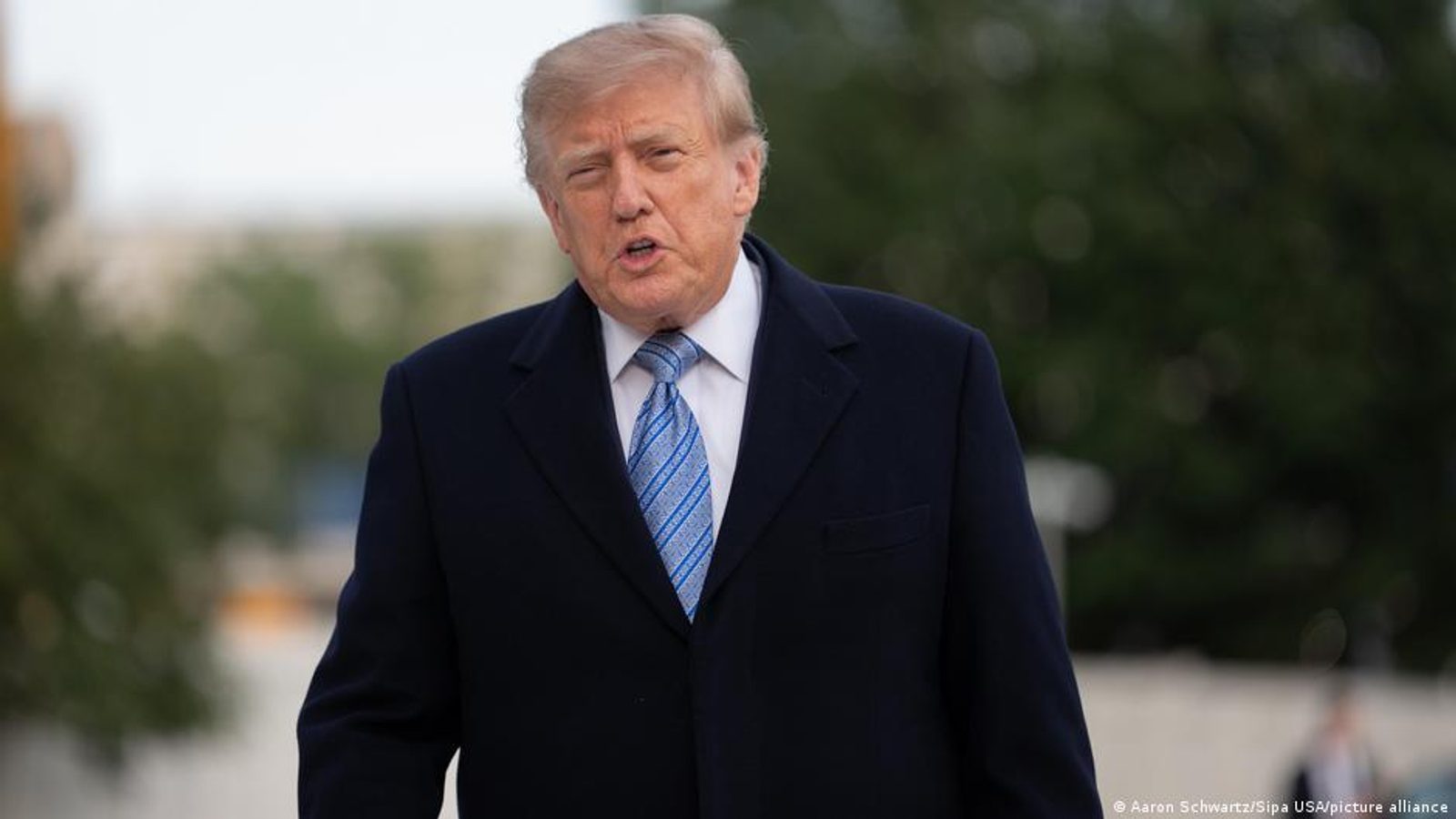
US President Donald Trump insisted the United States controls the strait and warned of further measures. He said: "We have total control over the strait. They can make trouble. They can put a mine in the water. And people don't want there to be mines when it comes to ships worth billions of dollars, you know. But the blockade was very effective. If you look at the numbers we're getting, the strait is open, and oil prices are going down and will continue to go down unless we decide to do something much more drastic than what we are doing now."
Global markets did not immediately echo his assessment. Brent crude climbed to $91 a barrel — the highest level since July — while US-market crude rose to about $85 per barrel.
Tensions in the strait also remain tangible at sea: a commercial vessel was struck by a projectile today, though the attacker has not been identified. Iran, which effectively halted transit through the Strait of Hormuz after the start of American–Israeli strikes on February 28, reiterated its conditions for reopening maritime traffic.
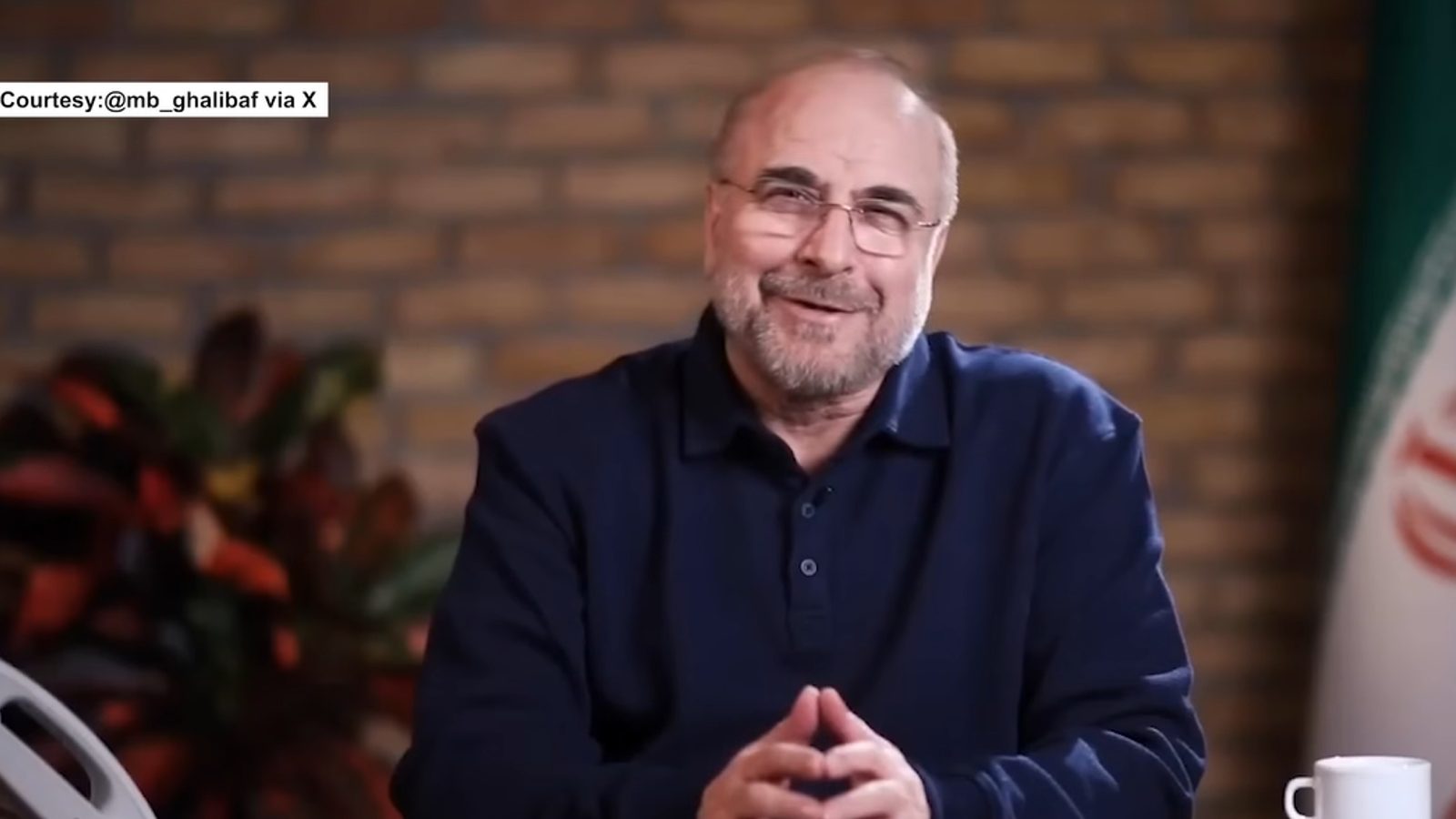
Mohammad Bagher Ghalibaf, Iran's chief negotiator and speaker of parliament, said: "To be clear: as long as the United States of America does not fulfill its obligations under the agreement, including lifting the blockade, releasing frozen funds, lifting oil sanctions, stopping threats and military operations on all fronts, and implementing the other conditions it committed to, the Strait of Hormuz will not be opened again."
Tehran also announced it is close to reaching an agreement with the Sultanate of Oman on alternative maritime routes — a move that further raised tensions in Washington. Reports say President Trump responded to Oman with vulgar language and threatened heavy bombing if the country obstructs US plans to control the strait.
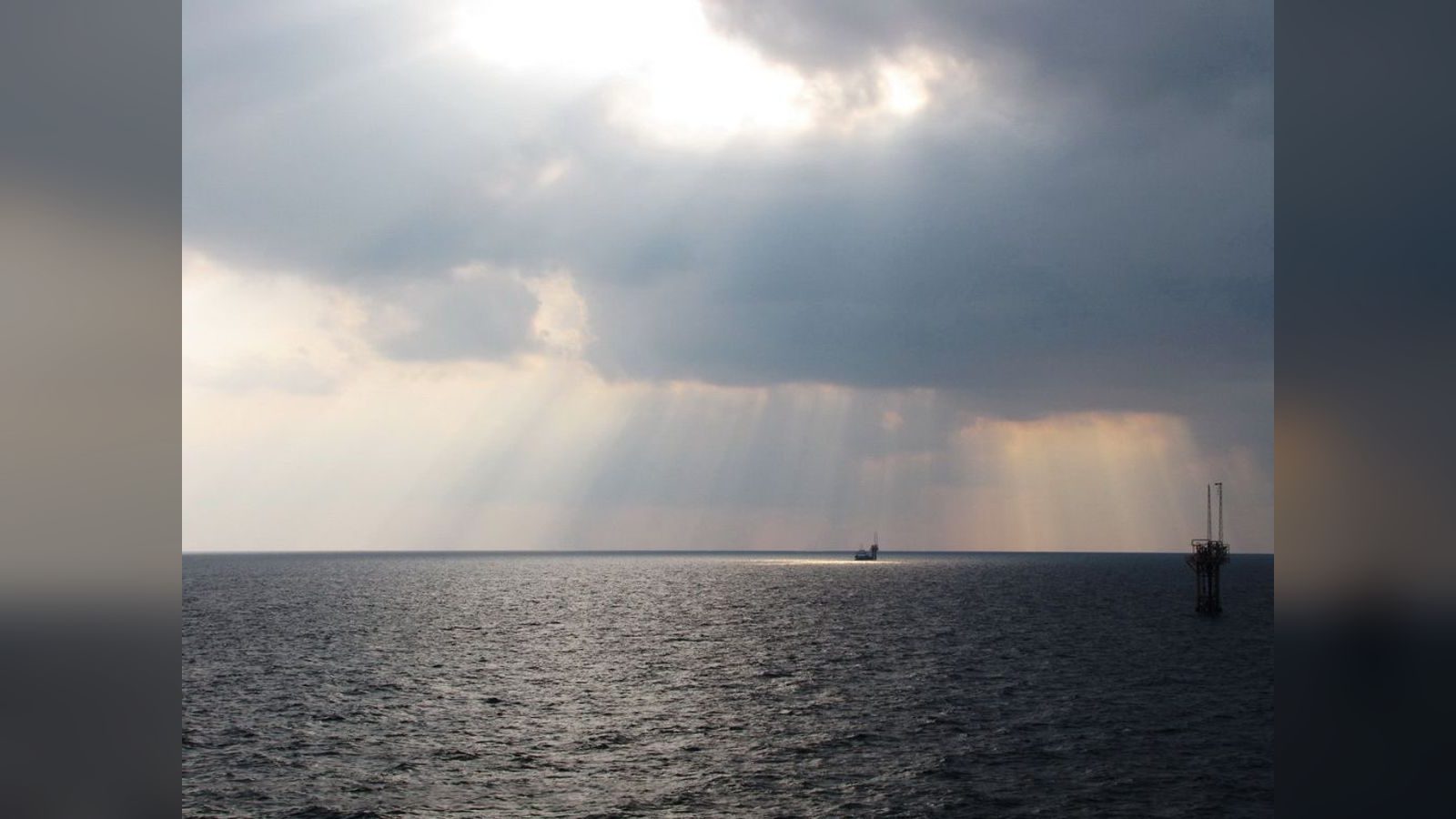
Photo: Ali khodabakhsh / Wikimedia Commons (CC BY 3.0)