Shigella infections increasingly linked to sexual contact; antibiotic resistance rising
Sexual transmission — notably among men who have sex with men — and growing multi‑drug resistance complicate treatment and control.
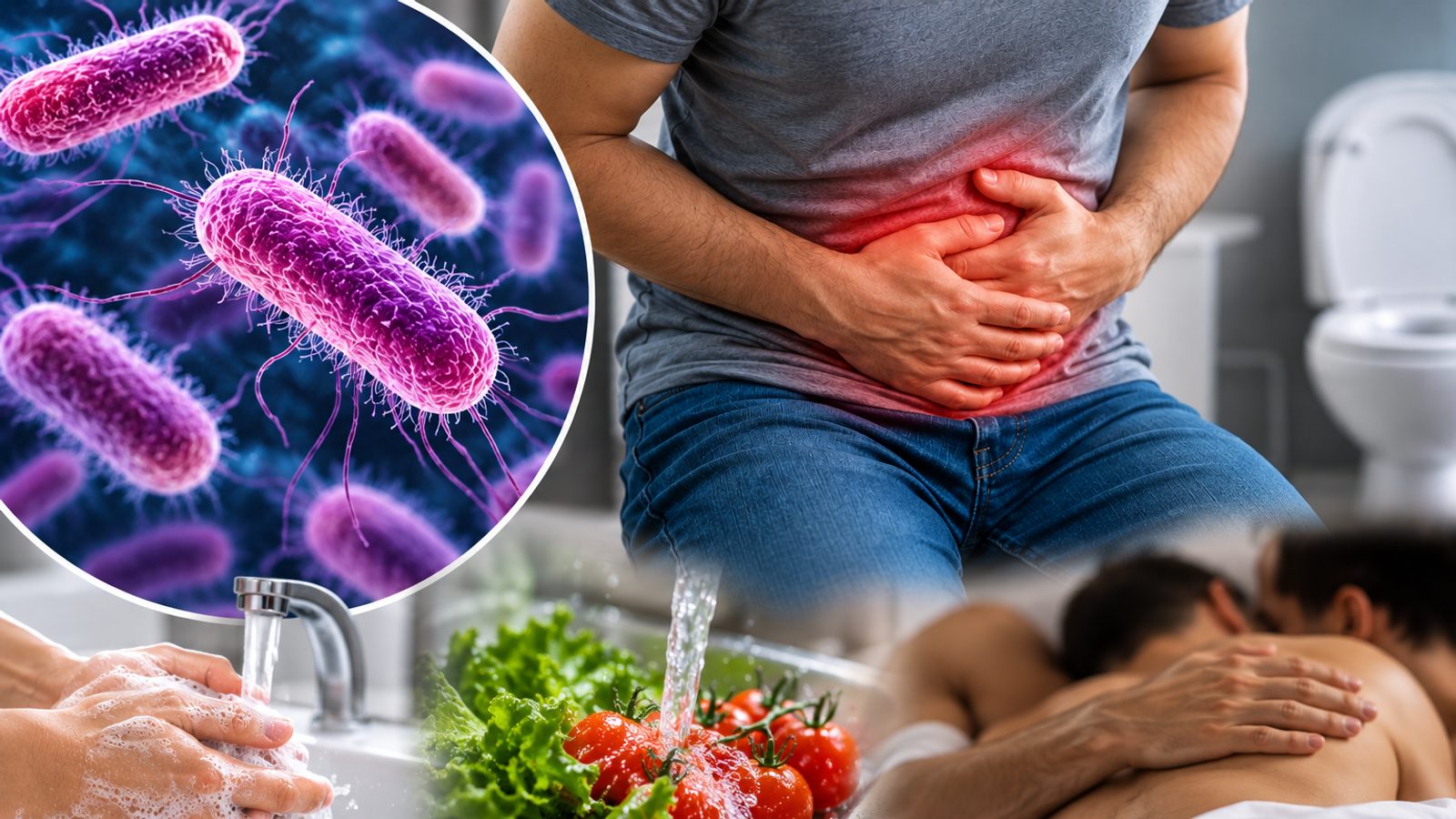
Infections caused by the bacterium Shigella — the agent of shigellosis — are increasingly being reported after sexual contact, public-health specialists warn, complicating a disease long associated primarily with contaminated food, water and poor sanitation. At the same time, strains showing resistance to multiple antibiotics have become more common, creating new treatment challenges for clinicians.
Shigellosis is an intestinal infection that can produce severe diarrhea — sometimes with blood or mucus — intense abdominal cramps, fever, nausea and vomiting. People with weakened immune systems, young children and older adults are at greater risk of serious illness.
Symptoms usually appear one to two days after exposure, although the incubation period can be longer, and the illness often lasts several days; some patients, however, may develop prolonged symptoms or complications. Frequent stools and fluid loss in severe cases can cause dangerous dehydration, electrolyte imbalance and require hospital care.
Tighter links to sexual transmission and rising resistance
Transmission occurs by the fecal–oral route when microscopic amounts of fecal material from an infected person reach another person’s mouth — via unwashed hands, contaminated food or water, touching contaminated surfaces, and during sexual activities that permit this kind of contact. Only a very small number of bacteria are needed to cause infection, which helps explain how easily it can spread.
Researchers have highlighted a growing number of cases tied to sexual contact, particularly among men who have sex with men, while stressing that anyone exposed can become infected. A study published in 2026 found that between 2015 and 2020 sexual transmission of Shigella grew faster than cases linked to travel, food or outbreaks in childcare settings. Resistance is also increasing: the share of strains with pronounced multi‑drug resistance rose "from practically zero in 2011 to approximately 8.5 percent in 2023."
Treatment does not always require antibiotics; mild cases are managed with rehydration, rest and monitoring. Antibiotics are generally reserved for severe infections or people at increased risk of complications, and doctors may order laboratory tests to identify which drugs remain effective. Experts warn that improper or unnecessary antibiotic use fuels resistance and advise against self‑medication.
Prevention focuses on basic hygiene: thorough handwashing with soap, safe food handling, using safe drinking water and good personal hygiene. People with symptoms should avoid preparing food for others and seek medical advice if symptoms are severe or persistent. For infections acquired during sex, clinicians advise avoiding sexual activity while ill and for at least two weeks after diarrhea resolves, since Shigella can continue to be shed in stool after symptoms end.
Photo: press material from the event