Real Madrid to allocate €707.1m for wages and amortisation in 2026/27
The club projects a €1,405 billion turnover and a €14.2m net profit while relying on Bernabéu revenues and record player sales.
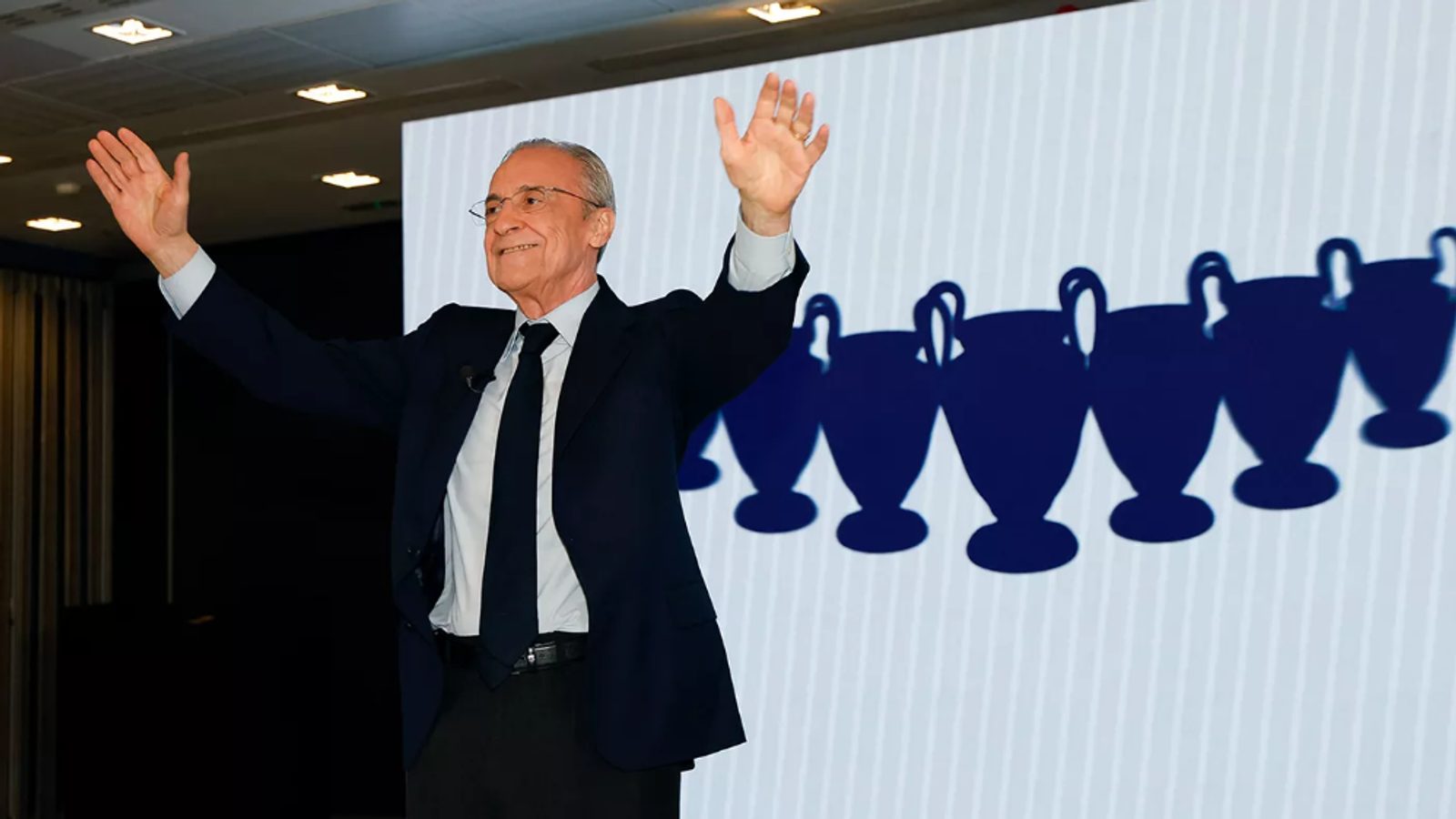
Real Madrid plans to set a new financial high in European football by allocating a huge €707.1 million for wages and transfer amortisation in the 2026/27 season, the club’s latest financial plan shows. The sum ranks among the largest payroll commitments in the club’s history under President Florentino Pérez and brings Real’s spending closer to levels once seen at Paris Saint-Germain.
Key figures for 2026/27
The analysis was prepared by Intelligence 2P, the market strategy and analysis unit of 2Playbook, which also projects a record global turnover of €1,405 billion. Despite the unprecedented sports investment, Real’s leadership expects to keep the accounts in the black, forecasting a net profit of €14.2 million for 2026/27 following a positive result of €26.3 million in 2025/26.
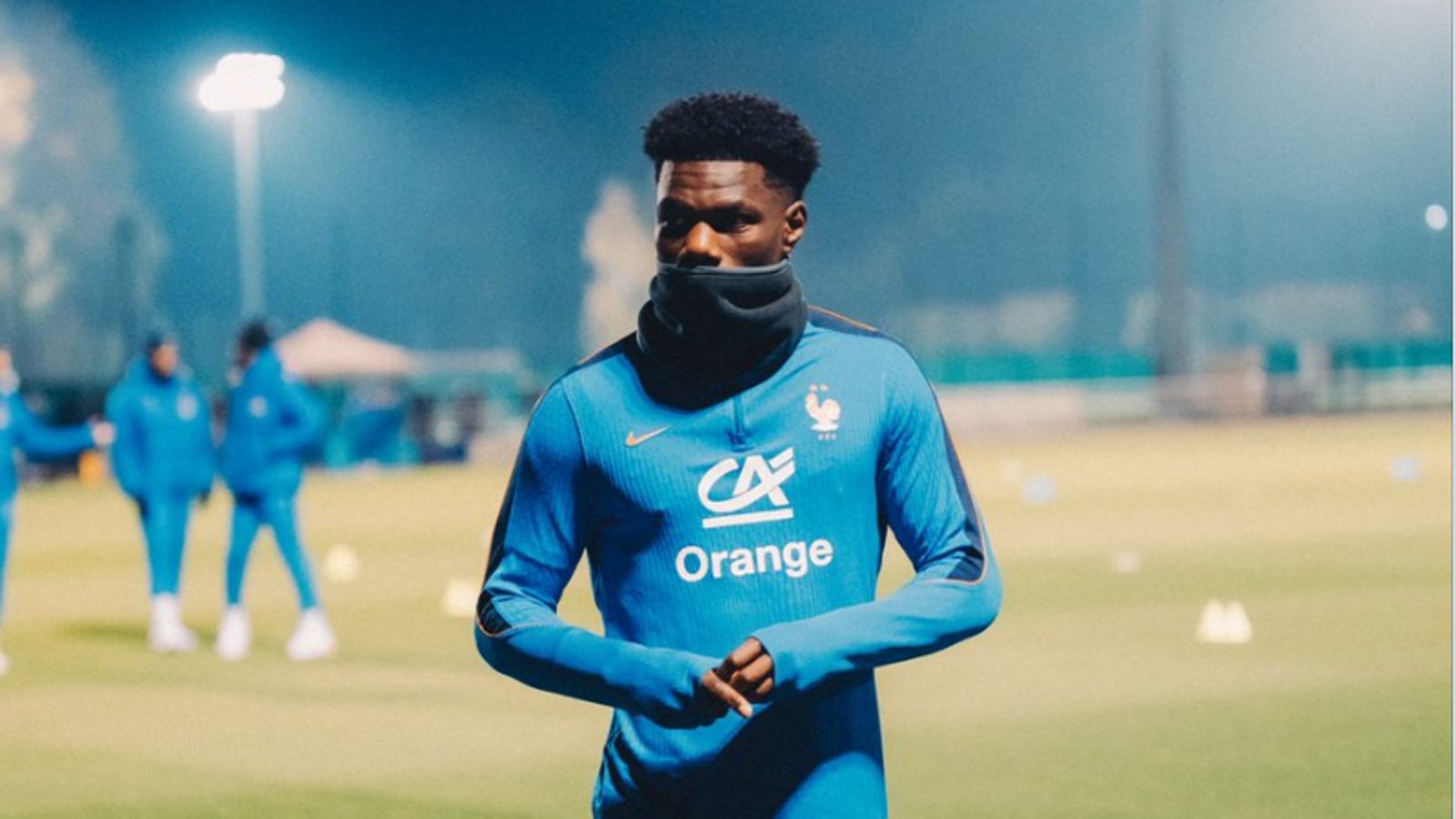
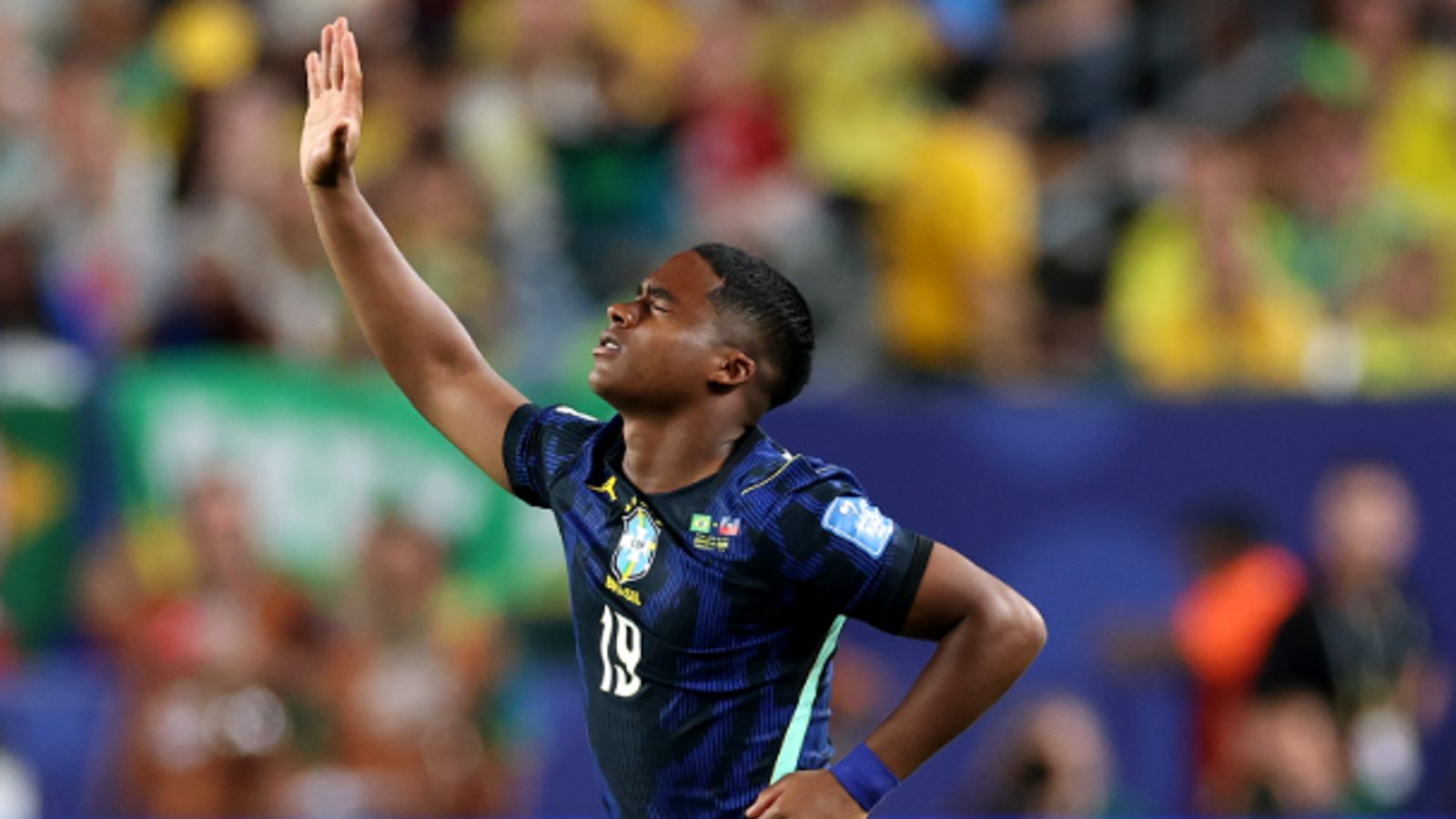
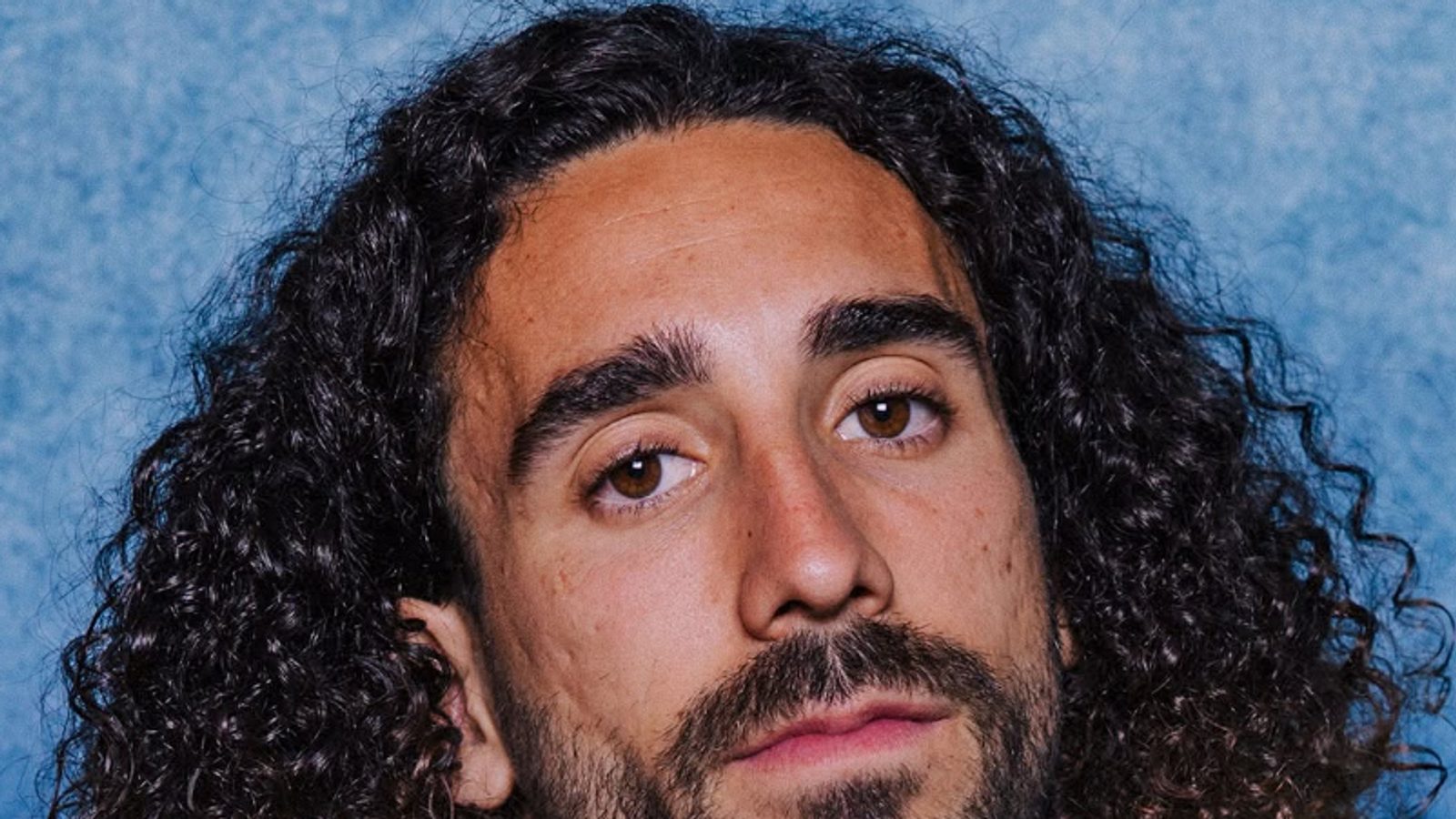
Club executives say the €707.1 million wage and amortisation budget will represent roughly 57% of total turnover and 50% of overall revenues, leaving the club 10 to 20 percentage points below UEFA’s spending cap. The jump in the wage bill reflects major new signings, including Bernardo Silva, Marc Cucurella, Denzel Dumfries, Ibrahima Konaté, Yann Diomande and Carlos Espi.
To support the higher costs, Real projects business turnover to grow 4.7% year-on-year to €1,250 billion — a level it describes as nearly double the five-year pre-pandemic average. The renovated Santiago Bernabéu is the main driver of that increase; stadium-related revenues are forecast to rise to €420.1 million from membership fees, season tickets, matchday income, the club museum, VIP areas and by hosting events such as concerts and even an NFL game.
The club expects revenues from friendlies and international tournaments to fall by 21% to €120.3 million, largely due to FIFA payments related to the Club World Cup, while television rights are forecast to grow 4% to €175.1 million thanks in part to the new audiovisual cycle of the Euroleague, which will also double basketball income.
Marketing revenues are pencilled in at €534.6 million, a 1% decline on the surface, although the club notes that excluding “one-off effects that mainly arise from contract renewals and the reversal of certain risk provisions” this item would rise by 19%. Internal projections show sponsorship up 22% and retail sales up 15% versus 2025/26, supported by key contract renewals with Adidas (through 2034), Emirates (through 2030/31) and Mahou (through 2033), as well as partnerships with Uber Eats (through 2029) and Iren, an Australian cloud data-centres and artificial intelligence company.
Player sales are set to be another crucial pillar: Real expects a record €154.8 million from transfers, predominantly from academy graduates such as Nico Paz, Gonzalo Garcia, Cesar Palacios, Jacobo Ortega and Victor Munoz, which will help balance the budget. Of the total €707.1 million wage bill, the basketball section will receive about €40 million — a record for that department — while the women’s football team will have a budget of €8.5 million.
Finally, Real reports a 3% reduction in net financial debt to €1.367 billion. Almost all of that debt (€1.347 billion) is associated with financing the stadium reconstruction; its repayment is long-term and represents roughly half of the new revenue the venue generates.
Photo: Real Madrid H