Budget rebalance cuts funds for Skopje wastewater plant and gas
Skopje wastewater project and planned gas purchases see the biggest reductions; social and pension funds receive additional allocations.
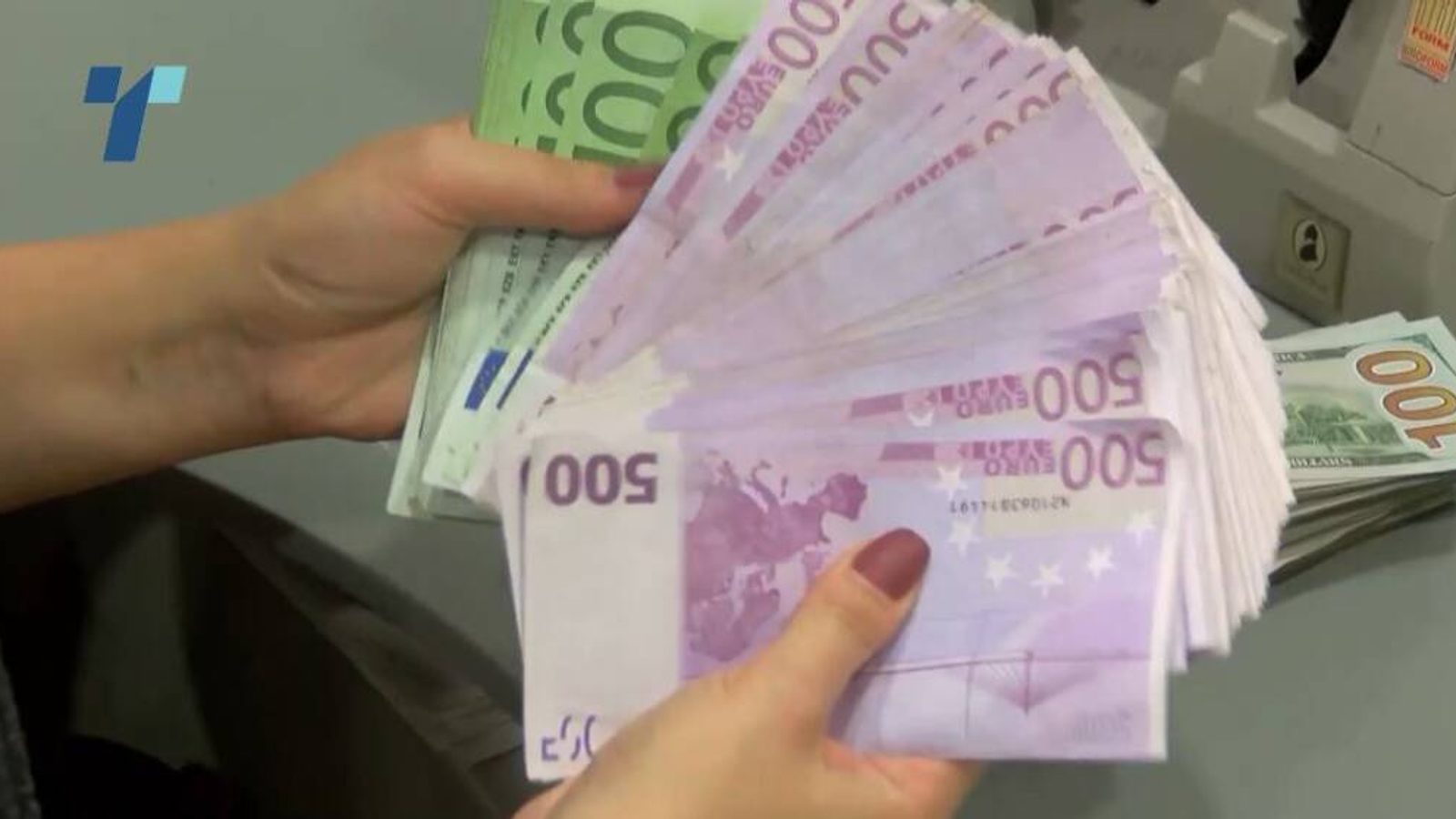
The government's second budget rebalance reduces funds for the Skopje wastewater treatment plant and for planned natural gas purchases, while shifting money to social and pension schemes, according to the reworked figures posted with the Assembly.
Combined, the budgets of the Ministry of Environment and the Ministry of Energy have been cut by more than €60 million — the largest adjustments in the second rebalance. The Ministry of Environment says most of its reduction affects the Skopje wastewater treatment plant and some projects co‑financed from its own resources, and that it has enough funds to operate through the end of the year.
The Ministry of Energy's budget is lighter by about €30 million. The ministry told journalists that the reductions relate to money originally intended for the purchase of natural gas that cannot be drawn down.
Capacity constraints at the Bulgaria–North Macedonia interconnection
In a written note, the Ministry of Energy explains: "The available cross‑border capacities at the interconnection point between Bulgaria and North Macedonia are seriously limited due to long‑term reserved capacities, a significant portion of which are contracted by Gazprom and are not available to new users."
Other cuts include roughly €6.7 million at the Ministry of Health, about €2 million at the Agency for Innovation and Technological Development and Entrepreneurship and at the State Statistical Office, nearly €5 million taken from government funds and more than €4 million reduced at TIRZ. The budget for the OTA Security Agency and several other institutions was also trimmed.
At the same time, the rebalance increases allocations for the Health Fund and the Pension Fund, and the Ministry of Social Affairs receives about €30 million extra. Overall, the reallocation reduces both revenues and expenditures by €86 million.
Officials say the deficit and public debt level will not change as a result of this rebalance. Domestic experts, however, warn those two indicators have already passed the government’s red lines: public debt stands at over €10.7 billion, roughly 59% of GDP. The government also plans new borrowing of €150 million at an interest rate of 5.25%; specialists note that cost exceeds the projected GDP growth of 3.5%.
Following this second reshuffle of the state coffers, authorities expect at least one more redistribution of funds before year‑end.
Author: Irena Chachkova
Photo: press material from the event