Rivers in Bosnia and Herzegovina at risk of drying up amid extreme heat
Prolonged heat and lack of rain have pushed river flows to historically low levels; experts say groundwater depletion and ecological damage may be long-lasting.
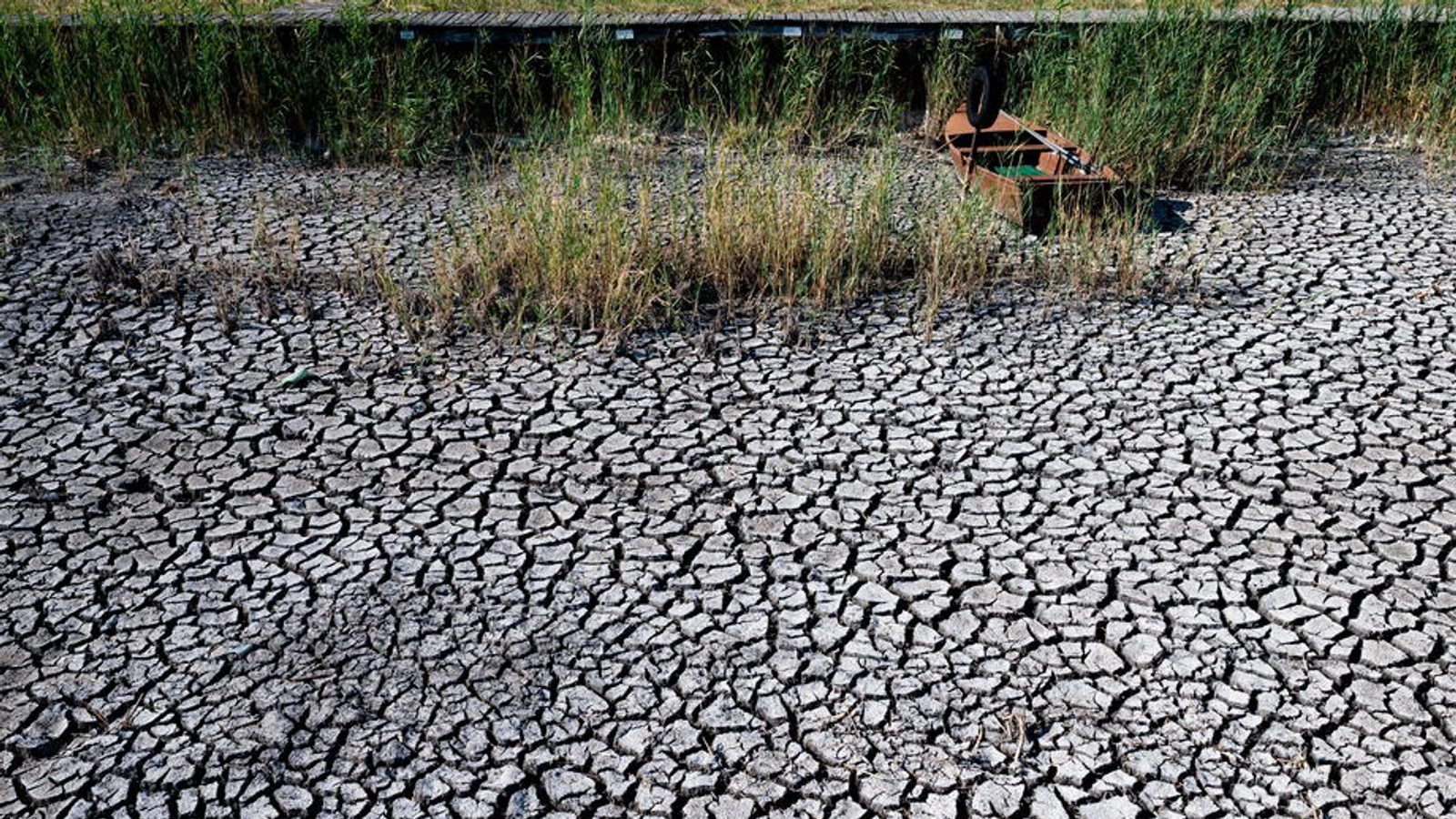
Prolonged drought and record heat have driven river levels across Bosnia and Herzegovina down to critical lows, with some riverbeds nearly or completely drying up and exposed stretches visible in multiple regions.
Residents of Zenica say the River Bosna has never been so shallow, and similar scenes — stripped river bottoms and greatly reduced flows — have been reported elsewhere in the country.
Experts warn of long-term damage
Hydrologists and ecologists say the consequences go beyond the immediate lack of surface water. Underground sources and groundwater reserves have been depleted during the long rainfall deficit, and their recovery can take a long time.
"These water reserves that form underground are disappearing; they are being consumed like other resources, but they must be replenished," warned hydrologist Muriz Spahic.
Ecologist Ismir Smajic added: "Right now the water level is truly low, and there are rivers where the flow has even stopped. If one structural element of the ecosystem is threatened, the whole ecosystem can find itself in trouble, as can the entire food chain." Short-lived rainfall may improve conditions temporarily, but experts stress that brief showers will not make up for a prolonged water deficit.
The drought's effects extend beyond Bosnia and Herzegovina: Bulgaria's Kozloduy nuclear power plant has reduced output because of historically low water levels on the Danube, illustrating wider regional strains on water resources.
Photo: EPA-EFE/Tamas Vasvari HUNGARY OUT