Germany to spend €140 billion on defence in 2027
A record €140 billion package for the Bundeswehr combines a larger base budget and a special fund, sparking debate over priorities and costs.
Germany plans record defence budget of €140 billion for 2027, with one in five euros of the federal budget earmarked for the military, the government announced on 10 September 2026. The package combines a sharply expanded base allocation and additional spending from a special fund financed by borrowing.
The core federal defence budget is set at €109.7 billion — an increase of €27 billion or almost 33 percent compared with the previous year. On top of that, around €30 billion will come from the special fund that is being drawn down over time, bringing total available resources for the Bundeswehr and its re-equipment to €140 billion in 2027.
Parliamentary debate and ministers’ defence of the spending
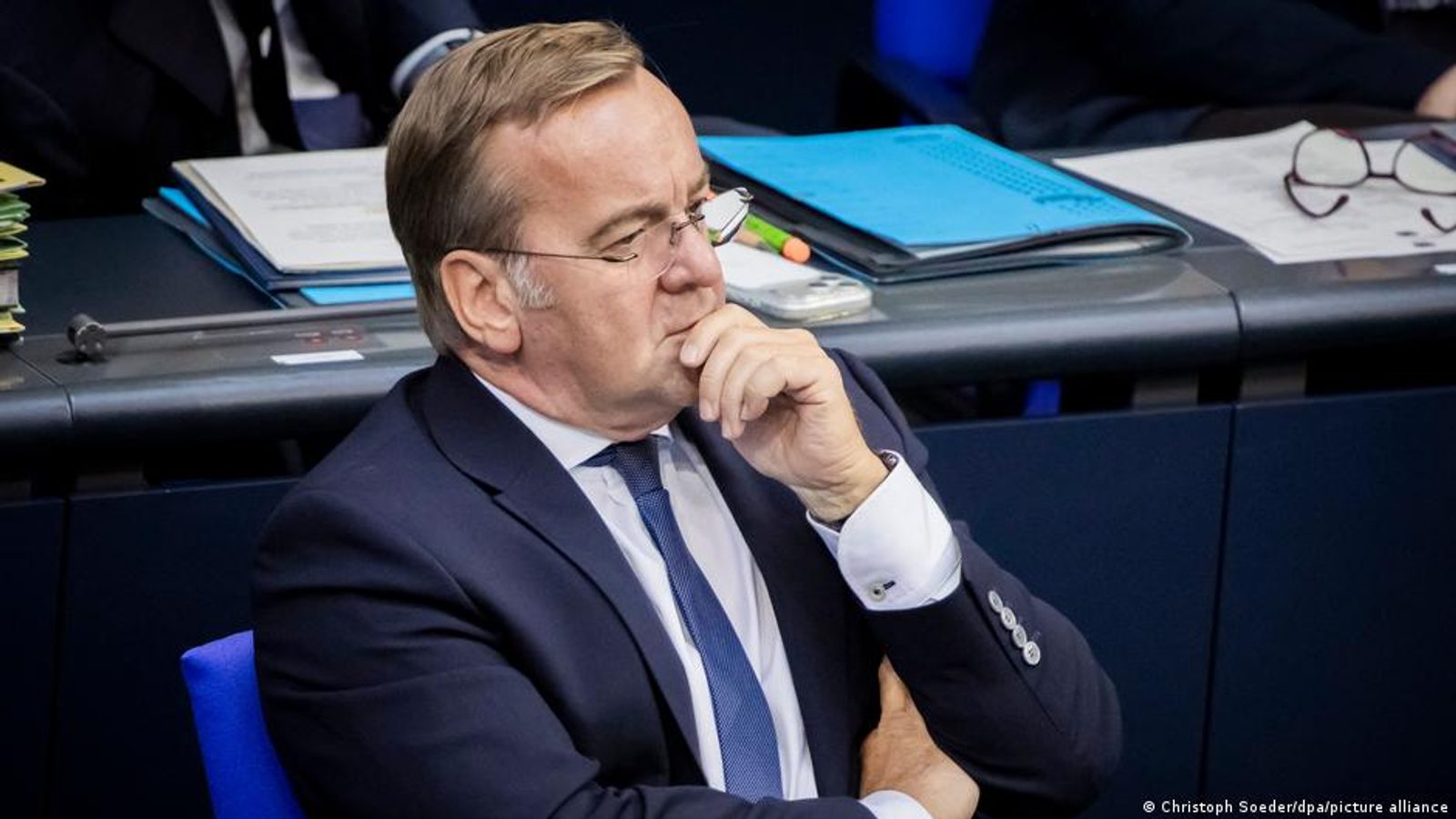
Defence Minister Boris Pistorius, who has emerged this week as an outlier among colleagues facing cuts, acknowledged the scale of the sum during the Bundestag budget debate: "140 billion euros is a very, very large sum of money." He said that is precisely why the spending must be justified and explained thoroughly to the public.
In a morning interview on ARD, Pistorius argued that Germany has to place a large number of orders quickly to close the gaps created over the past 30 years. "We are facing a threat that we must answer," he said. He also rejected criticism that the funds flow disproportionately into traditional heavy equipment: "Drones can win a battle, but not decide a war. Heavy equipment is always needed," and he added that roughly half of the money will be directed to new technologies, including high-tech systems integrated into tanks and frigates.
Critics in parliament and oversight bodies urged caution. Moritz Schularick of the Kiel Institute for the World Economy warned recently that too much money is still going into "old iron" — tanks and frigates — rather than into unmanned aircraft and AI-based technologies. Parliamentary budget rapporteurs and the Federal Audit Office warned that the rapid increase could drive up prices in the defence industry. "Different prices are being asked when the client is the Bundeswehr," said Andreas Schwarz, the Social Democrats’ defence budget rapporteur.
Left and AfD deputies protested the scale and direction of spending: Dietmar Bartsch accused the minister of endangering social stability by trimming funding for development aid, parental allowances and civic education, while AfD leader Tino Chrupalla urged investment into energy, health, education and care instead of weapons. Pistorius countered that security cannot be set against other social needs: "Free school meals, better schools, better bike lanes and better education would mean nothing without security. That must be clear to us."
Photo: press material from the event