Audit finds 879,000 more registered voters than adult residents in Serbia
Audit lists concentrated registrations at small addresses, thousands of likely duplicate records and major gaps in voter data.
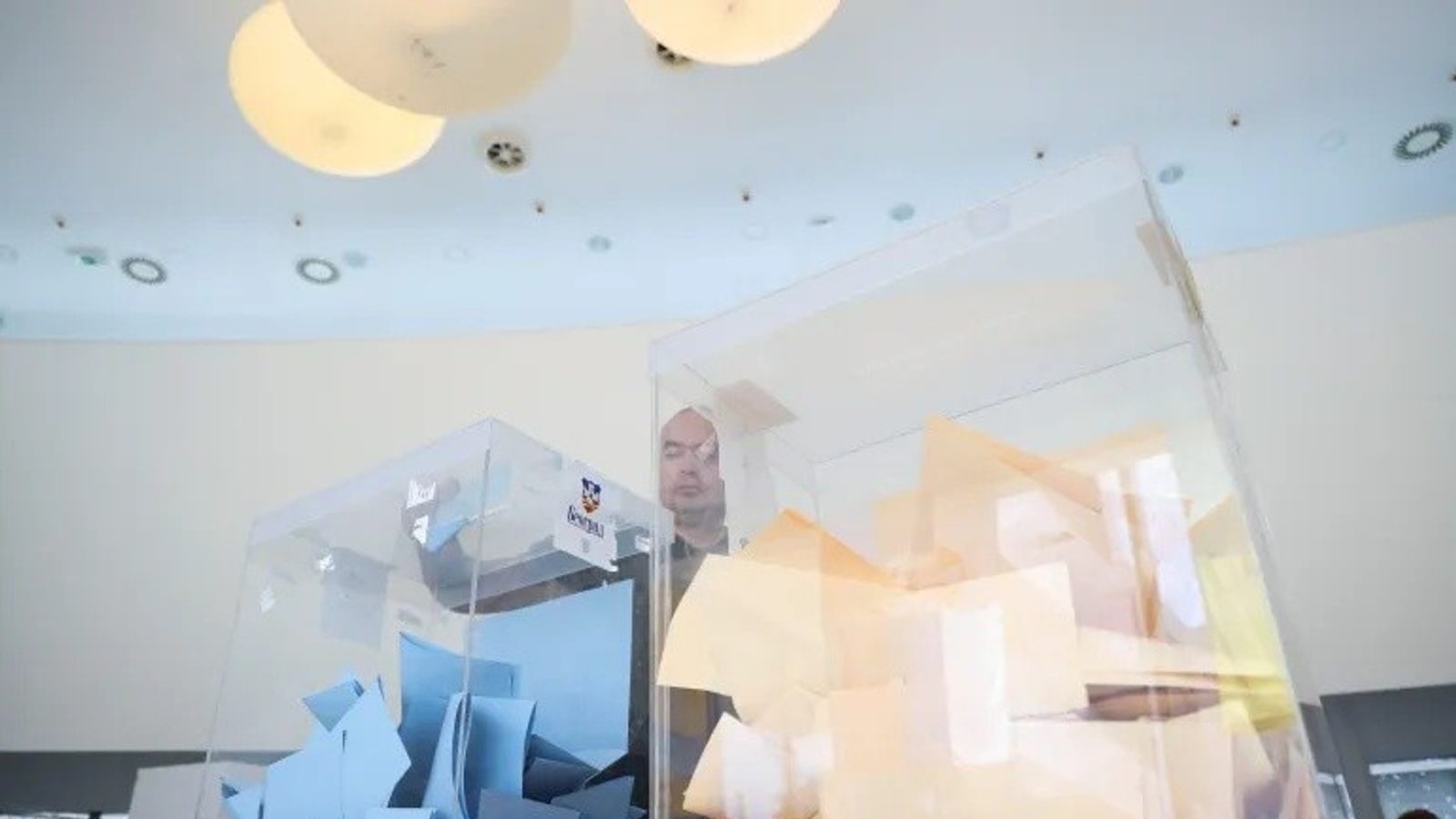
A government audit published on 28 November 2026 found that Serbia's single voter register contains about 879,000 more registered voters than the number of adult residents estimated by the Statistical Office of the Republic of Serbia.
The Commission for Audit, Verification and Control of the Accuracy of the Voter Register reported patterns of organised voter registrations, particularly in the run-up to local elections in 2023. It noted, however, that the 879,000 difference does not automatically mean all those entries are improper because the register also includes Serbian citizens living abroad who have reported an address in Serbia.
Concentrations at small addresses and mass same-day entries
The audit highlighted 20 addresses where flats and houses of between 20 and 130 square metres had been registered with between six and more than 100 voters. Many of those listed were born abroad, bore different surnames and were registered at the same addresses on the same day—often just weeks before an election.
On the day the voter register was closed for the 25 October 2026 elections, the flagged addresses contained 13,920 people recorded as part of organised first registrations, the report says. The commission cautioned that these indicators alone do not prove intent or fictitious residence, but added that the scale of such entries in Belgrade in 2023 was comparable to vote totals that could affect the allocation of mandates. In Podrinje, at some polling stations, such registrations made up over half of all voters.
The audit also found demographic anomalies: 1,466 voters listed as over 100 years old. The commission checked 1,252 people born between 1913 and 1926 against civil death registers and found no recorded deaths for any of them. At least 4,700 groups of records were identified where there is a high probability the same person appears multiple times under different identity numbers.
Data quality problems are widespread: for 488,095 records the place of birth is missing, and for around two-fifths of voters it is impossible to determine precisely which building or flat they live in because house or apartment numbers are absent. An apartment number is recorded for only 7.6 percent of voters. The report also flags registry issues for six municipalities in Kosovo where roughly 248,000 entries are marked as "unallocated."
To address the problems the commission proposed 41 measures, including field checks of suspicious addresses in cooperation with the Ministry of Internal Affairs, verification of multiple registrations, completion of missing data and development of new software for automated checks of the voter register. The report noted that the NGO CRTA had previously warned about organised relocations before the December 2023 elections.
The commission concluded that without access to original source records and without on-the-ground checks it cannot determine how many of the disputed entries are truly irregular.
Photo: press material from the event