Romania sinks four barges in the Danube to protect Cernavodă nuclear plant
Four barges were deliberately sunk in a Danube branch to steer more water toward the intake that cools the Cernavodă nuclear plant, officials say.
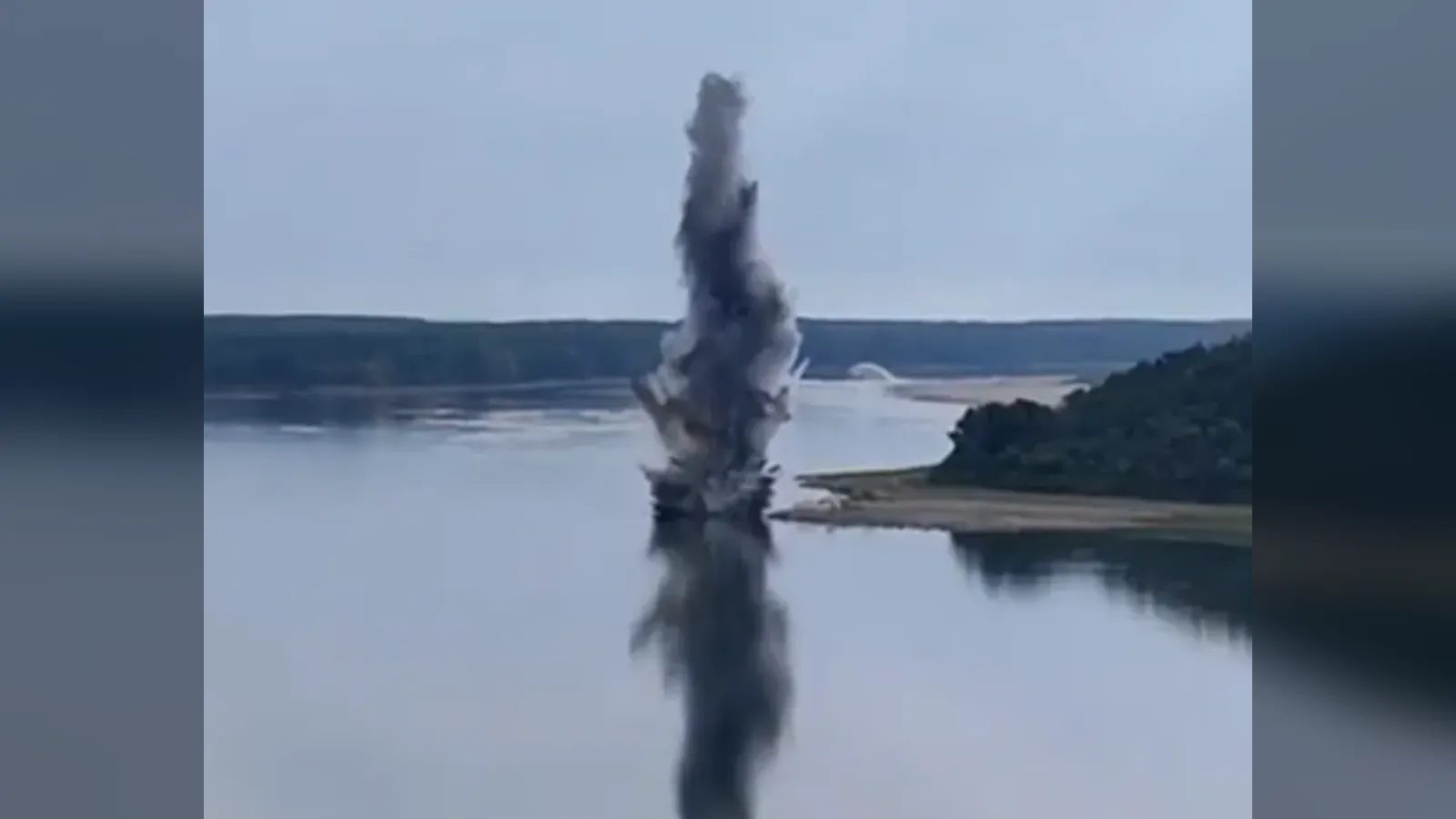
Romanian authorities deliberately sank four barges in the Bala arm of the Danube to redirect river flow toward the intake that serves the Cernavodă nuclear power plant, in an effort to secure enough cooling water for its reactors.
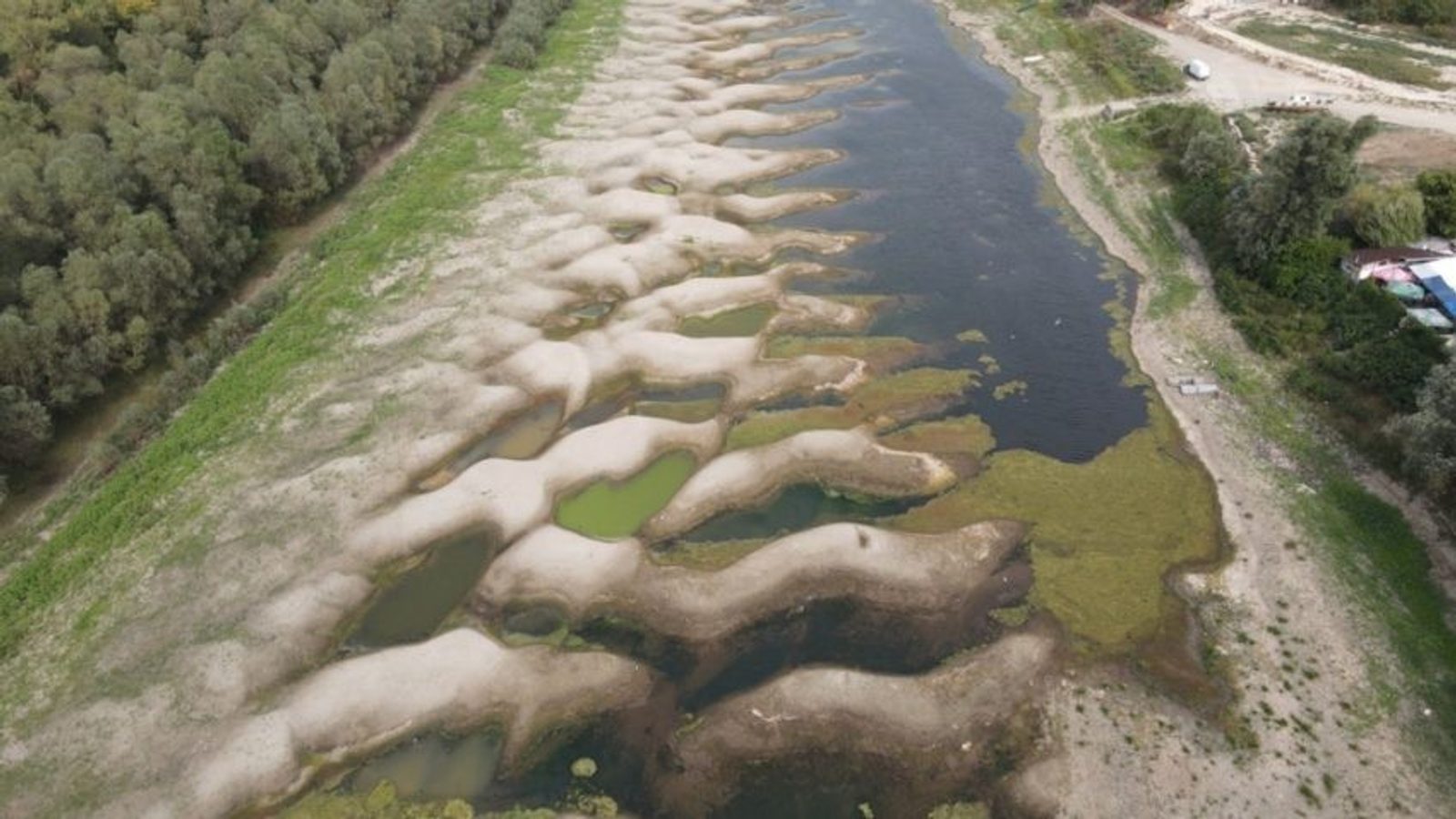
The measure comes amid an extreme low-water episode on the Danube caused by prolonged drought and high temperatures. The low level has already affected operations at Cernavodă: one of the two reactors was taken offline and the second faces the risk of shutdown if water levels keep falling.
Temporary engineering fixes to buy time
Officials say the sunken barges are intended to act as an underwater barrier, channeling a larger share of the river into the route that supplies the plant. The goal is to raise the water level in that channel enough to allow continued operation of the second reactor.
Authorities previously used controlled rock blasts in the riverbed to remove obstacles and improve flow toward the power station. At present the Danube's flow has dropped to about one third of the average for August.
Cernavodă operates two nuclear units and, at full output, supplies roughly 20 percent of Romania's electricity — which is why keeping the second reactor running is considered important for grid stability. Experts warn that sinking barges is only a stopgap measure that buys time but does not address the wider problem of historically low Danube levels.
Neighboring Hungary has already closed its only nuclear plant because of low Danube levels; authorities there warned that the coming five days would be the most critical for river flows.
Photo: press material from the event