Rumen Radev unveils Bulgaria’s foreign policy strategy to 2030
208‑page programme lists relations with North Macedonia among priorities and sets May 2030 deadline for bilateral commitments.
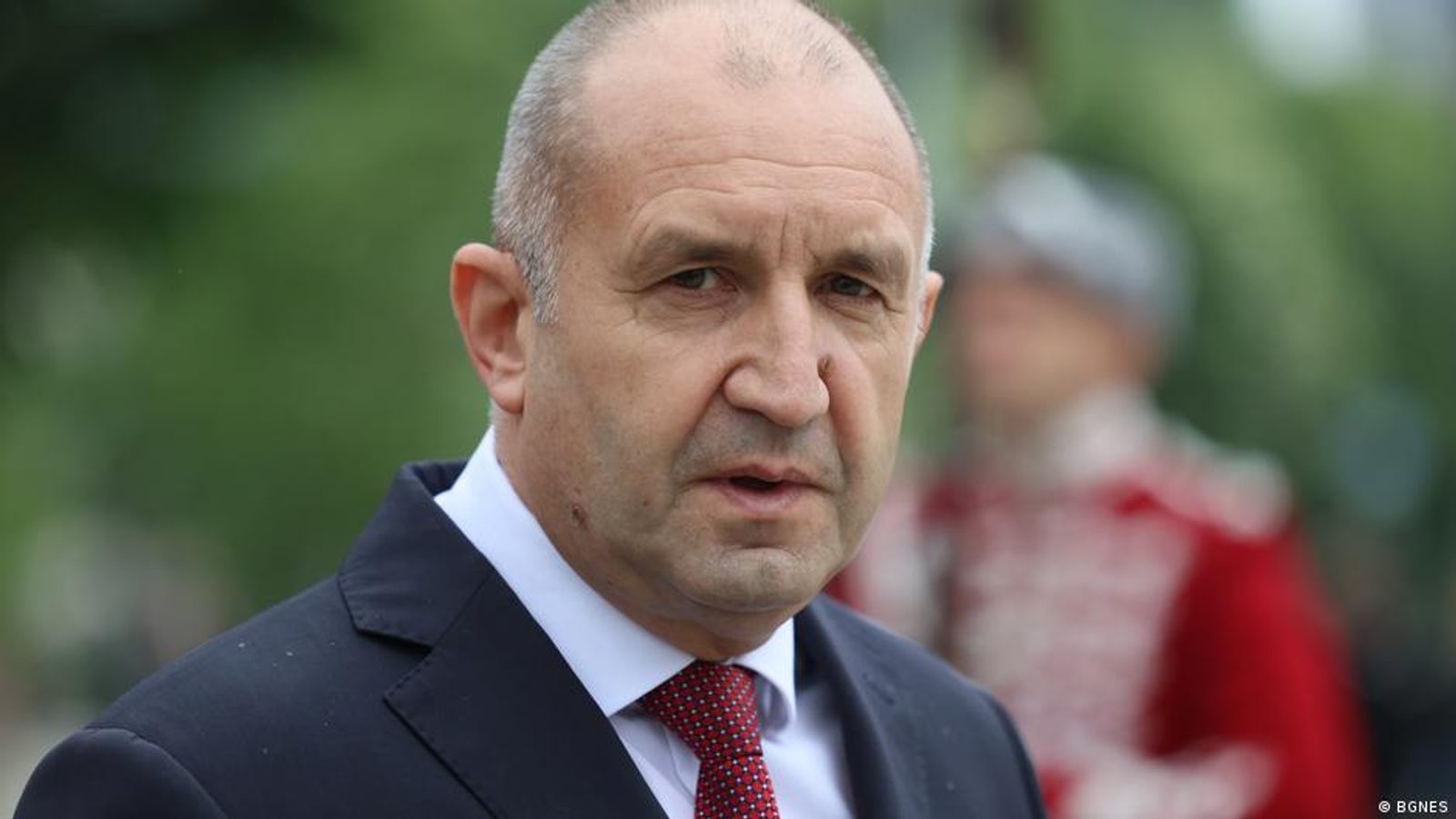
Bulgarian authorities have published a comprehensive foreign policy programme that sets Sofia’s priorities through 2030 and highlights relations with North Macedonia as a key regional objective. The document, released during the government’s first 100 days in office, runs 208 pages and frames the country’s international stance around EU and NATO membership while promising a more active role in both organisations.
The programme places relations with North Macedonia under a chapter of “active, principled and nationally responsible bilateral diplomacy,” tying support for good neighbourly ties to the fulfilment of bilateral commitments and to concrete protection of the rights of Bulgarians living in North Macedonia. The government sets a deadline of May 2030 for the implementation of those commitments.
Regional outreach and economic diplomacy
Alongside the North Macedonia focus, Sofia’s strategy names the Western Balkans—Serbia, Albania, Kosovo, Montenegro and Bosnia and Herzegovina—and Turkey as priorities for deeper engagement. It also signals plans to deepen strategic partnerships with Greece and Romania, boost ties with Cyprus and intensify dialogue with Croatia.
Economic diplomacy is emphasised as a tool for domestic growth: the programme singles out attracting investment in microelectronics, artificial intelligence, the defence industry and energy, and it lists completing the process for accession to the Organisation for Economic Cooperation and Development (OECD) among its economic goals. Measures also include incentives to encourage the return of Bulgarians abroad, support for Bulgarian organisations and media overseas, and the creation of an inter‑ministerial mechanism to coordinate crisis response for Bulgarian citizens abroad. The document calls for analysis of what it terms "tendentious and negative narratives" related to Bulgaria’s foreign policy priorities.
The new strategy arrives amid intensified diplomatic discussions aimed at unblocking North Macedonia’s EU accession path. North Macedonia’s foreign minister, Timcho Mucunski, has said his government is in contact with EU member states, European institutions and Bulgarian representatives to address the dispute that has stalled Skopje’s progress. He argued there must be a clear separation between reform obligations and bilateral issues and warned that claims touching identity, history, language and culture must stop.
“We must end demands related to our identity, history, language and culture. As long as such an obstacle exists from Bulgaria and there is no clear support for our European path in the spirit of European values, the problem remains unresolved,” Mucunski told TV Sitel.
Photo: press material from the event