Russia forms units of Ukrainian POWs; former captives report coercion and abuse
Ex-prisoners and analysts say many 'volunteers' were recruited under torture, pressure or deception, not genuine choice.
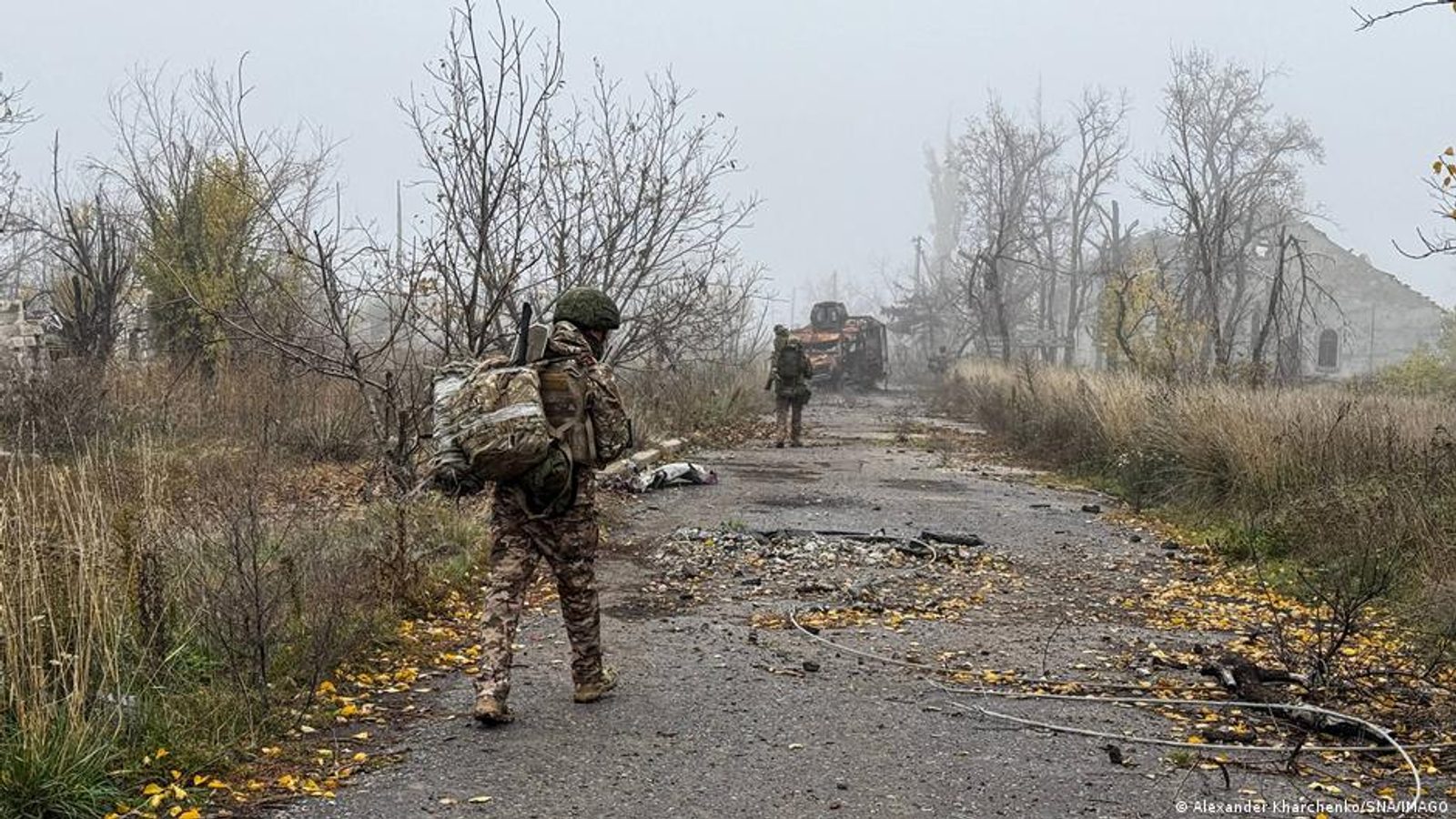
Russian authorities have organised military formations composed of former Ukrainian prisoners of war and presented them as volunteers, but former captives and analysts say many of those transfers involved coercion, mistreatment and manipulation.
Former POWs describe torture, pressure and staged recruitment
Pavlo Oliynyk, a 25-year-old lieutenant who was captured in Donbas in October 2024, says he accepted an offer to join what is known as the Maxim Kryvonos Battalion only to escape detention, not out of conviction. He told a lawyer who later contacted an international outlet that during captivity he was subjected to electric shocks, beatings and psychological abuse. According to his account, he agreed to the offer because he wanted a chance to get near the front and then flee to Ukrainian-controlled territory.
Russian state media first reported formations of former Ukrainian soldiers early in 2023, saying ex-prisoners had sworn allegiance to Russia. State propaganda later announced six such units; in August 2026 those were presented as a single "Ukrainian Volunteer Brigade for Special Purposes." Media estimates put the Maxim Kryvonos Battalion at roughly 200 members, though footage released publicly shows only a few dozen. The Ukrainian public broadcaster Suspilne has identified more than 30 members of the battalion and says they were captured by Russian forces in 2023 and 2024.
Those close to the formations identify Vyacheslav Gubin, a former local council member from Derhachi in Kharkiv region who switched sides in 2014, as the unit's leader; his son Sviatoslav serves as deputy political director. The commanders, and Russian outlets, insist the unit is a Ukrainian volunteer formation rather than a regular Russian military unit.
Experts are sceptical. Pavel Luzin, a defence-policy analyst at the Fletcher School, argues that such groups in Russia rarely operate outside central control and that the Ukrainian-composed units are largely a façade. The Office of the United Nations High Commissioner for Human Rights has reported that more than 95 percent of Ukrainians who returned from captivity said they had been tortured or mistreated while detained. William Wiley of the Commission for International Justice and Accountability says the poor physical and psychological condition of returnees raises "serious doubts" about the voluntary nature of their recruitment.
Former captives and rights activists describe repeated patterns: prolonged isolation, violent interrogations, offers that follow beatings, and pressure to sign cooperation agreements — sometimes with private military contractors rather than the Russian Ministry of Defence. Pavlo Oliynyk says he was kept naked for eight hours in a small metal locker after being asked to sign a cooperation document with the intelligence services of the so-called Donetsk and Luhansk people’s republics, and that while in the battalion he and others were monitored by members of the private formation Redut and paid in envelopes by Russian military intelligence.
Oliynyk says he refused to take part in combat against Ukraine, and during his first deployment in March 2025 he escaped from a group sent to Donetsk oblast. He spent two days hiding from drones in basements and houses before encountering Ukrainian forces. He is now held in Ukrainian custody and faces an investigation into possible collaboration.
Photo: press material from the event