Russia expands drone campaign toward eastern EU and NATO
Multiple drone incidents, a suspected sabotage of a Starlink-linked station and airspace breaches on 23–24 September 2026 raised alarms across Moldova, Romania and Poland.
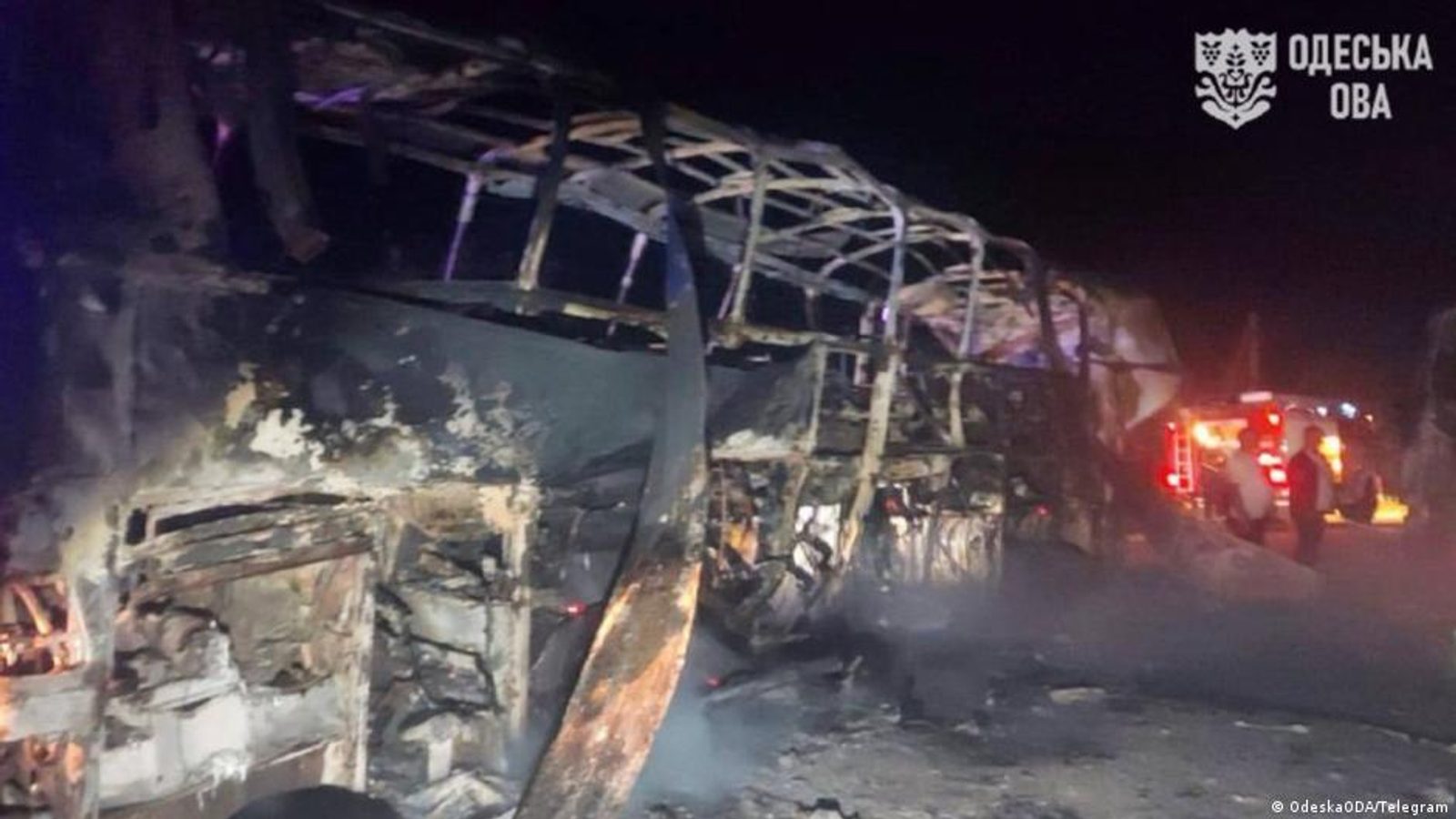
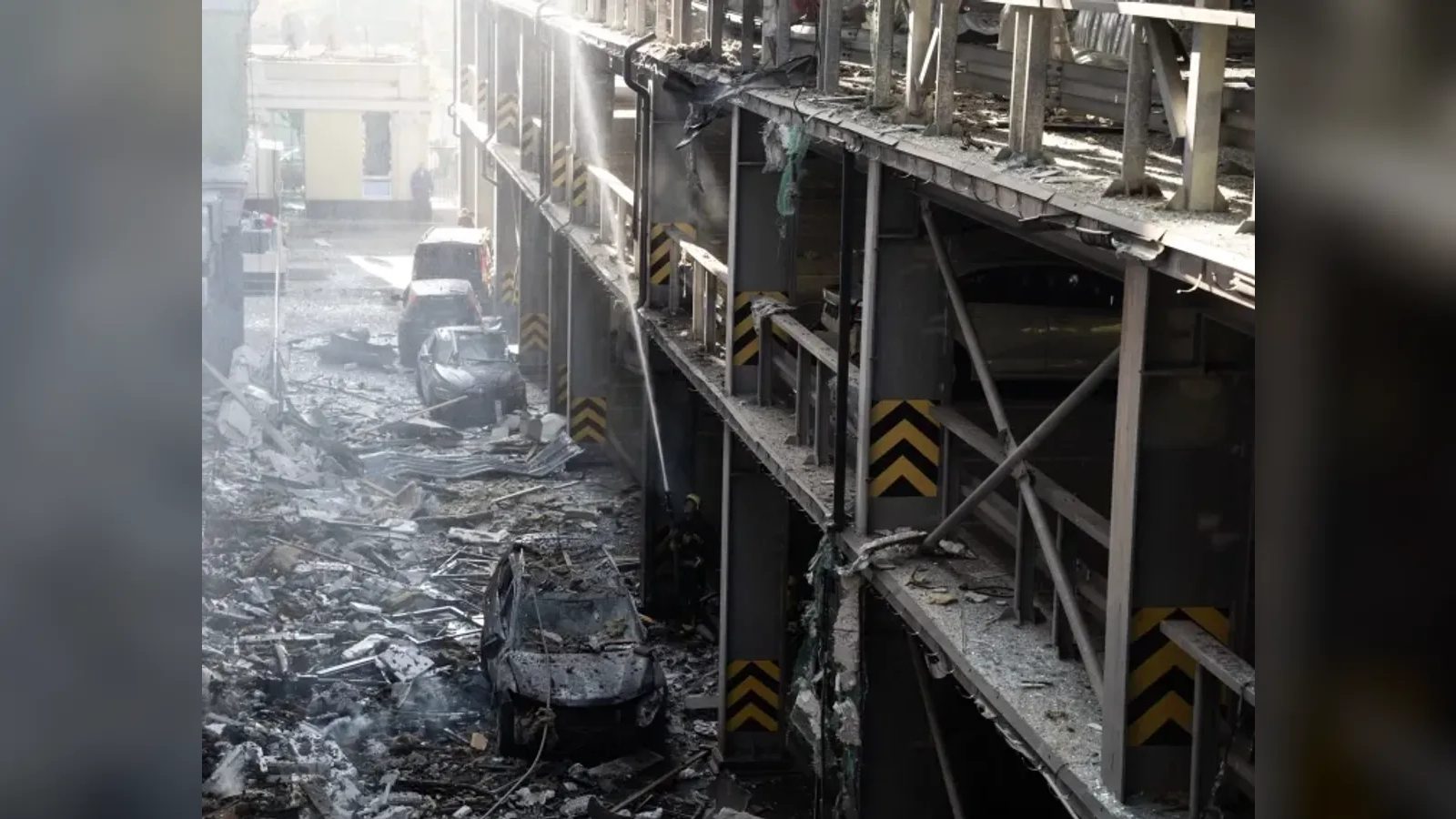
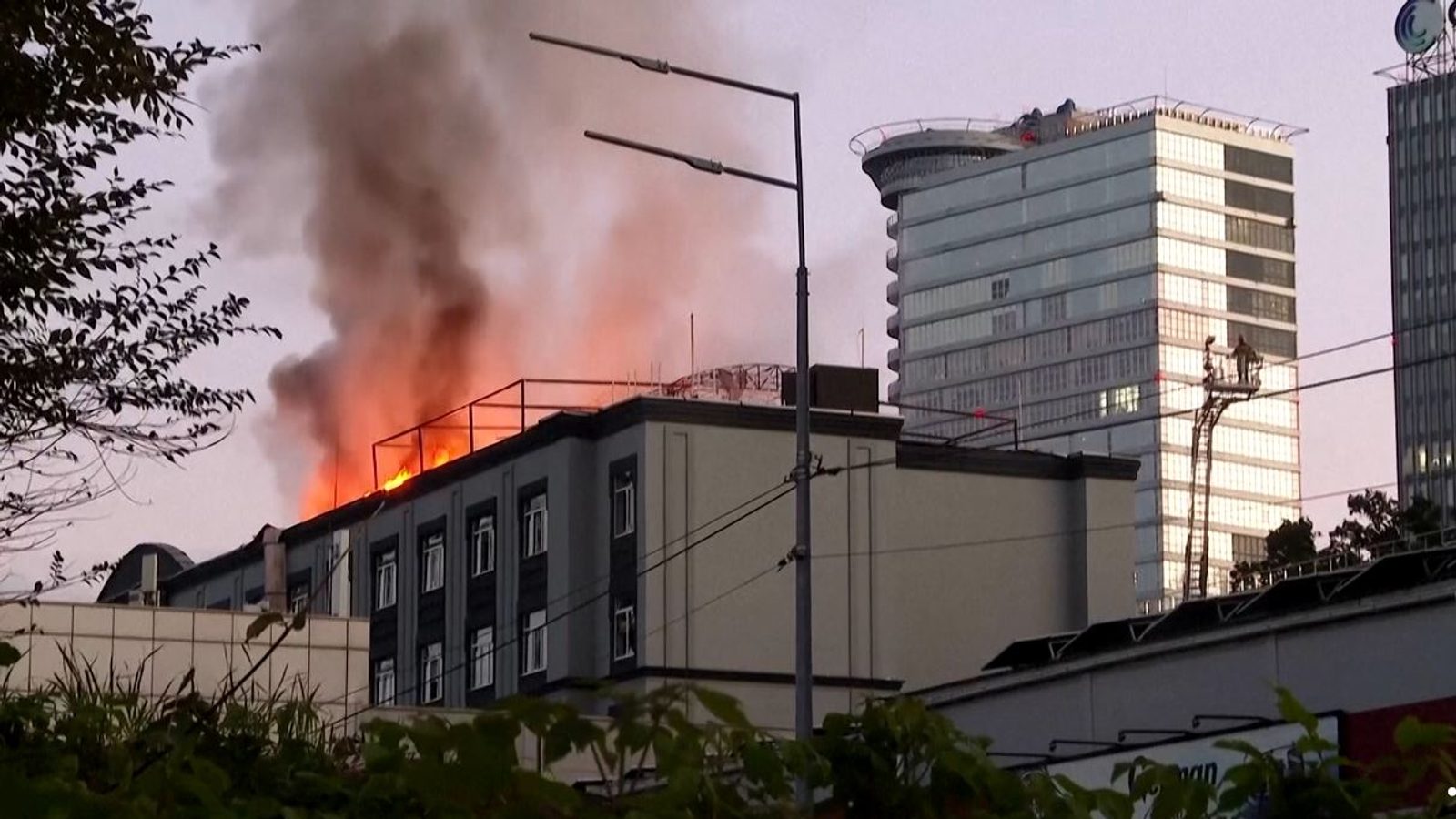
Russian strikes tied to the war in Ukraine have increasingly spilled over into neighbouring members of the European Union and NATO, with a series of drone incidents and suspected sabotage recorded in late September 2026. Governments in Moldova, Romania and Poland reported overflights, explosions and infrastructure attacks that officials say point to a deliberate expansion of pressure on Europe.
Waves of incidents on 23–24 September 2026
On 24 September 2026 Moldovan authorities recorded four drone overflights; two of the drones detonated on Moldovan soil and debris from a third was recovered, prompting a temporary closure of the country’s northern airspace. In Romania two drones violated national airspace, and one exploded in the north near Solca, roughly 30 kilometres west of Suceava, forcing the closure of a nearby border crossing with Ukraine.
Poland also scrambled NATO fighters twice after large Russian strikes close to the border, and evacuated two border crossings into Ukraine following drone attacks. The previous evening, on 23 September 2026, a ground installation used for directing internet traffic near the village of Wola Krobowska — owned by state telecom company Exatel and serving Starlink connections into Ukraine — burned in what the Polish government described as suspected sabotage.
Polish military authorities additionally reported that a Russian Mi-8 helicopter from the Kaliningrad exclave breached Polish airspace by about 300 metres and remained inside for approximately 42 seconds.
Polish Prime Minister Donald Tusk warned of a sustained pattern of pressure from Moscow and said the attacks are intended to exhaust both Ukraine and Europe. He said in Krakow: "Russia constantly refines its abhorrent forms of pressure and we must be prepared for that." He added that "Putin wants to wear down Ukraine by destroying its industrial and energy infrastructure, but he wants to wear down Europe as well."
Polish Deputy Prime Minister and Minister for Digitalisation Krzysztof Gawkowski described the Wola Krobowska fire as likely an element of hybrid warfare and called the incident "sabotage," suggesting its aim was to disrupt Ukrainian army internet access. While authorities have not publicly produced definitive proof linking the incident to Russia, Gawkowski said it fits what he called a "new Russian offensive doctrine."
Moldovan President Maia Sandu reacted sharply, saying the mass Russian strikes on Ukraine "once again reached the Republic of Moldova" and warning that the Russian war threatens all of Europe. Moldovan Parliament Speaker Igor Grosu said Chisinau, Romania and Ukraine were in talks on measures to strengthen Moldova’s airspace protection; he noted Moldova can monitor its skies but has almost no interception capability.
Romanian responses were more measured. Defence Minister Radu Miruța called for a diplomatic protest and noted that the drone that crashed near Solca displayed "new technical characteristics" that could indicate a newer, possibly jet-powered, type. President Nicușor Dan told the UN General Assembly that the world is now in the fifth year of an unlawful, unprovoked and unjustified large-scale war led by a permanent Security Council member, and reiterated that "Romania will stand by Ukraine and its people, who legitimately defend themselves, for as long as necessary."
Reports in parts of the European press suggested a CIA assessment that Russia could be preparing drone attacks on Western European states — including Italy, France and Spain — potentially using commercial vessels of a so-called "shadow fleet" in the Mediterranean to move systems. French President Emmanuel Macron publicly denied that U.S. intelligence had informed French services of any imminent threat, while calling the possibility of Russian strikes against Europe "credible."
Denmark’s defence and intelligence authorities warned that Moscow is likely to intensify its hybrid campaign against the West and NATO in the coming months, with "more frequent attacks" and "greater consequences for affected states than before." Danish Defence Minister Jeppe Bruus said the current situation was "more serious than any moment after the end of the Cold War."
Photo: press material from the event