Russia’s two-speed economy: Growth masks deepening fiscal strains
Official Q2 growth masks widening fiscal and structural strains tied to military spending, falling energy revenues and sanctions
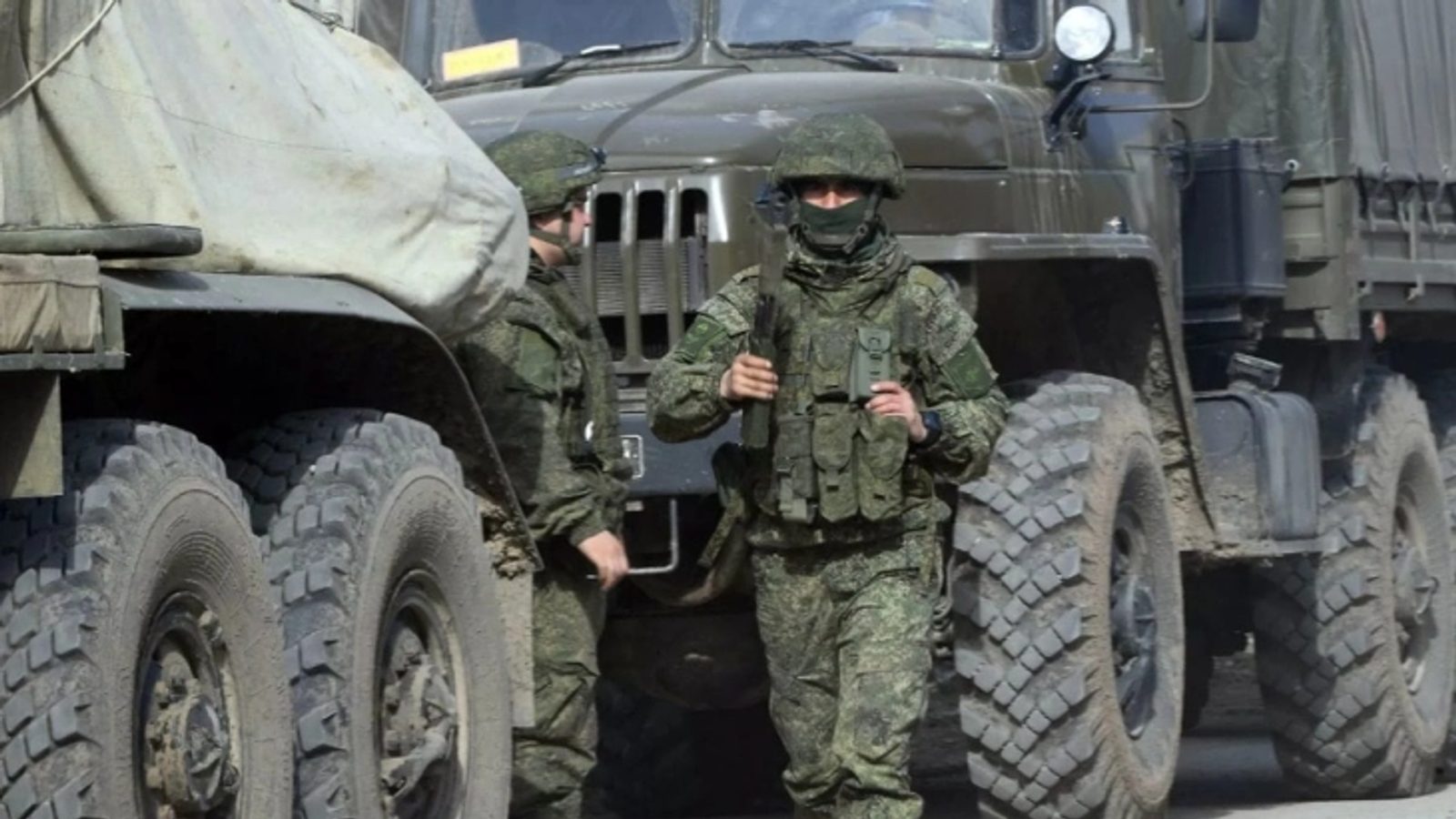
After four and a half years of full-scale war in Ukraine, Russia has solidified into a two-speed economy: pockets of expansion tied to the military-industrial effort coexist with a struggling civilian sector. Official data showing GDP growth in the second quarter have complicated the picture but analysts warn the headline numbers conceal mounting fiscal stress.
Key indicators point to widening cracks
Official figures released this week show Russian GDP grew 1.3% year-on-year in the April–June quarter, and rose 0.6% in the first half of 2026. Those results beat some forecasts and reflect, analysts say, the cushioning effect of government spending on the defence sector and a recent lift in oil and gas prices.
"If you're lucky and employed at a tank-maker, everything's fine. Otherwise, you're probably facing problems," Aleks Koljandr, Eurasia Group's Europe director, told CNBC, summing up the split between wartime winners and the rest of the economy. He added that Moscow can use accounting measures to balance the books but "the economic problems won't disappear and are still growing."
Charles Lichfield, director for economic forecasting and analysis at the Atlantic Council's GeoEconomics Center, says the clearest signals are fiscal deficit and inflation trends. "They are on track to double the deficit they had in 2025, which was already twice what they had in 2024," he said, noting that energy revenues remain well below earlier levels despite higher fuel prices in recent months.
Energy receipts were roughly 64% of their level from the same period two years ago in the first half of 2026. Continued Ukrainian drone strikes on refineries and logistics hubs, together with tougher western sanctions — including the EU price cap and measures targeting suppliers to Russia's shadow fleet — have taken a toll.
Signs of household strain are visible in retail data. Ekaterina Lobacheva, chairwoman of X5 Group, said retailers have seen shoppers shift toward cheaper private-label foodstuffs: "We have recently noticed that cookie consumption has risen — almost two and a half times," she told RBC News in April, according to a translation.
Analysts say the Kremlin still has policy levers — higher levies on oil and gas firms, attempts to borrow abroad, or tapping a portion of central bank holdings outside sanctions — but each carries trade-offs. Lichfield notes the central bank has, besides about $300 billion frozen since the war began, roughly $300 billion in reserves either in Russia or in jurisdictions not under sanctions; those funds could be used to fill fiscal gaps but would risk undermining anti-inflation credibility.
Elina Ribakova, a senior fellow at the Peterson Institute for International Economics, said the economy is unlikely to force an end to the war unless oil prices fall substantially. "It would have to get a lot worse," she said in a telephone interview with CNBC. "If you tell me we'll have oil prices of $35 or $40 next year, then maybe it would decide. But at the moment, especially given the wars involving Israel, the US and Iran, that is unlikely." Ribakova added that President Vladimir Putin "has invested so much" in the war "that it almost feels like he must continue."
Photo: press material from the event