Russian university recruits Ukrainian teenagers to build Shahed drones for attacks on Ukraine
Work‑study programme in Alabuga targets 15–21‑year‑olds from occupied regions and funnels trainees into the Shahed production plant.
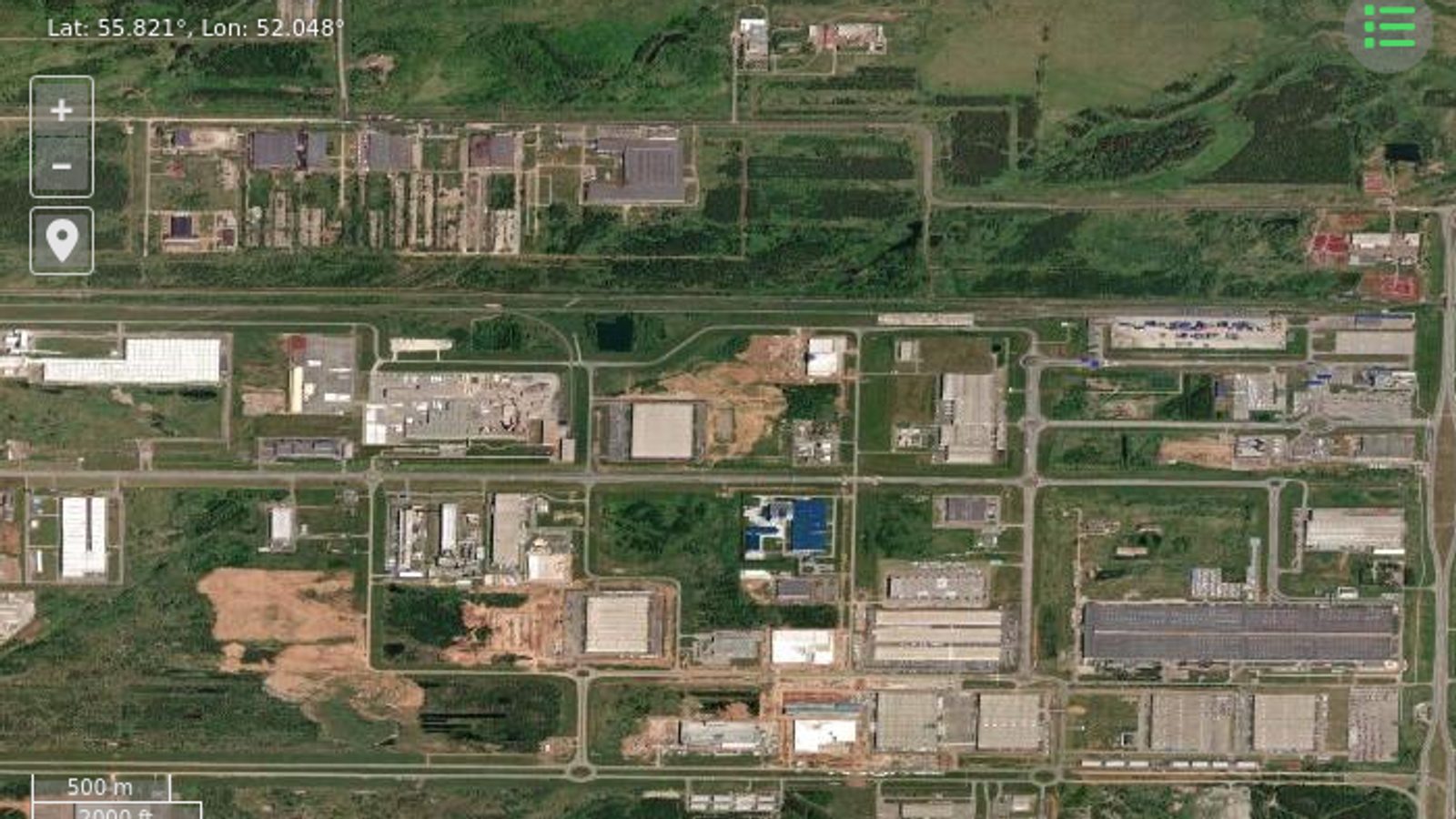
A Russian technical university in Alabuga is running paid work‑study programs that explicitly target teenagers from occupied Ukrainian territories and place them on production lines for Shahed unmanned aerial vehicles, according to materials from the institution. The employment of minors from the occupied territories in military production is considered a war crime, but Russia says it is helping the children.
Programmes that combine classroom time with factory shifts
The promotional materials address applicants aged 15 to 21 from the occupied parts of Luhansk, Donetsk, Kherson, Zaporizhzhia and Crimea. The university offers a four‑year scheme that blends classroom instruction with paid work in factories inside the Alabuga Special Economic Zone.
Analysis of the programme shows students spend roughly half their day in lectures and the rest on the shop floor. The advertised employment promise includes positions in more than 60 factories in the Alabuga cluster and explicitly allows enrolment of first‑year secondary pupils as young as 15.
In 2023 the Kremlin bought an assembly facility for Shahed drones from Iran and installed it in Alabuga, then expanded the site threefold. The plant has since become Russia's largest drone production complex; leaked staff rosters indicate as many as 10,000 people are employed in mass production.
Production reportedly runs continuously, with roughly 2,500–2,600 workers per shift. The Polytechnic Technical University in Alabuga has been identified as the principal training institution for AD "Alabuga" and associated workshops. An independent Russian agency reported in June that the government is expanding military output around Alabuga and building housing for 41,000 new workers.
The work‑study curriculum includes industrial robotics, welding technologies and web programming, with a dedicated track for aeronautics and UAV programming, including FPV drones. A participant may complete an abbreviated 10‑month course and take lighter work on an assembly line, or remain for up to five years to earn a degree in engineering or management.
Financial terms are highlighted in the recruitment pitch: the first year is free and enrolment comes with a signing bonus of €285. From the second year students are expected to cover tuition and accommodation from a guaranteed minimum wage of €72 per month, supplemented by state subsidies. Average pay in the programme is reported at about €475, while students with one year or more experience can earn up to €1,425 monthly; even the lowest‑performing second‑year students are said to be guaranteed €1,045.
For Ukrainian youngsters—whom Russia treats as its own citizens—the university offers additional incentives, including paid travel and guaranteed employment after graduation. Human‑rights and international‑law experts note that channeling minors into military production raises serious legal and ethical questions, given international prohibitions against involving children in hostilities. Reports also point to secret drone bases built in the region that could reach targets beyond Russia's borders.
Photo: Imagery from LANCE FIRMS operated by NASA's Earth Science Data and Information System (ESDIS) with funding provided by N / Wikimedia Commons (Public domain)