Ukraine sees growing calls for talks with Russia
Three politicians urged negotiations on neutrality and other concessions; Zelensky warned against surrender while polls show 75% back talks.
Calls inside Ukraine for direct peace talks with Russia have grown louder in early October 2026, after several well‑known politicians publicly urged negotiations to end the war. On October 9, three figures — Oleksii Honcharenko of European Solidarity, Danylo Hetmantsev of Servant of the People, and Kharkiv mayor Ihor Terekhov — set out competing proposals for how Kyiv might seek a negotiated settlement.
Honcharenko argued that the country is running out of time and resources: "Reality at the moment looks like this: we are losing the war. We are losing a huge number of people. We lack money, not only to finance the war but also for the very functioning of the state." He suggested talks over Ukrainian neutrality, renouncing NATO membership, lifting sanctions, the status of the Russian language and church in Ukraine, and the status of Donbas. "To die together with the whole state because of NATO membership, in my opinion, is absurd," he wrote online.
Hetmantsev, who chairs the parliamentary finance committee, also posted that "initiating negotiations and peace must be our highest priority," and said any final terms should be confirmed by referendum. Mayor Terekhov warned against treating war as the only option but insisted that any peace must rest on Ukraine's ability to defend itself and on concrete security guarantees from partners.
Analysts: timing, Abu Dhabi and US politics
President Volodymyr Zelensky quickly pushed back, reminding MPs of their responsibility to national unity and warning against spreading panic: "No matter how hard it is for us, we must not submit to Vladimir Putin and to Russia, because that will break Ukraine." European Solidarity expelled Honcharenko from its ranks, saying his positions depart from the party's principles—among them a strong army, Ukrainian as the official language, an independent Orthodox Church and membership in the EU and NATO.
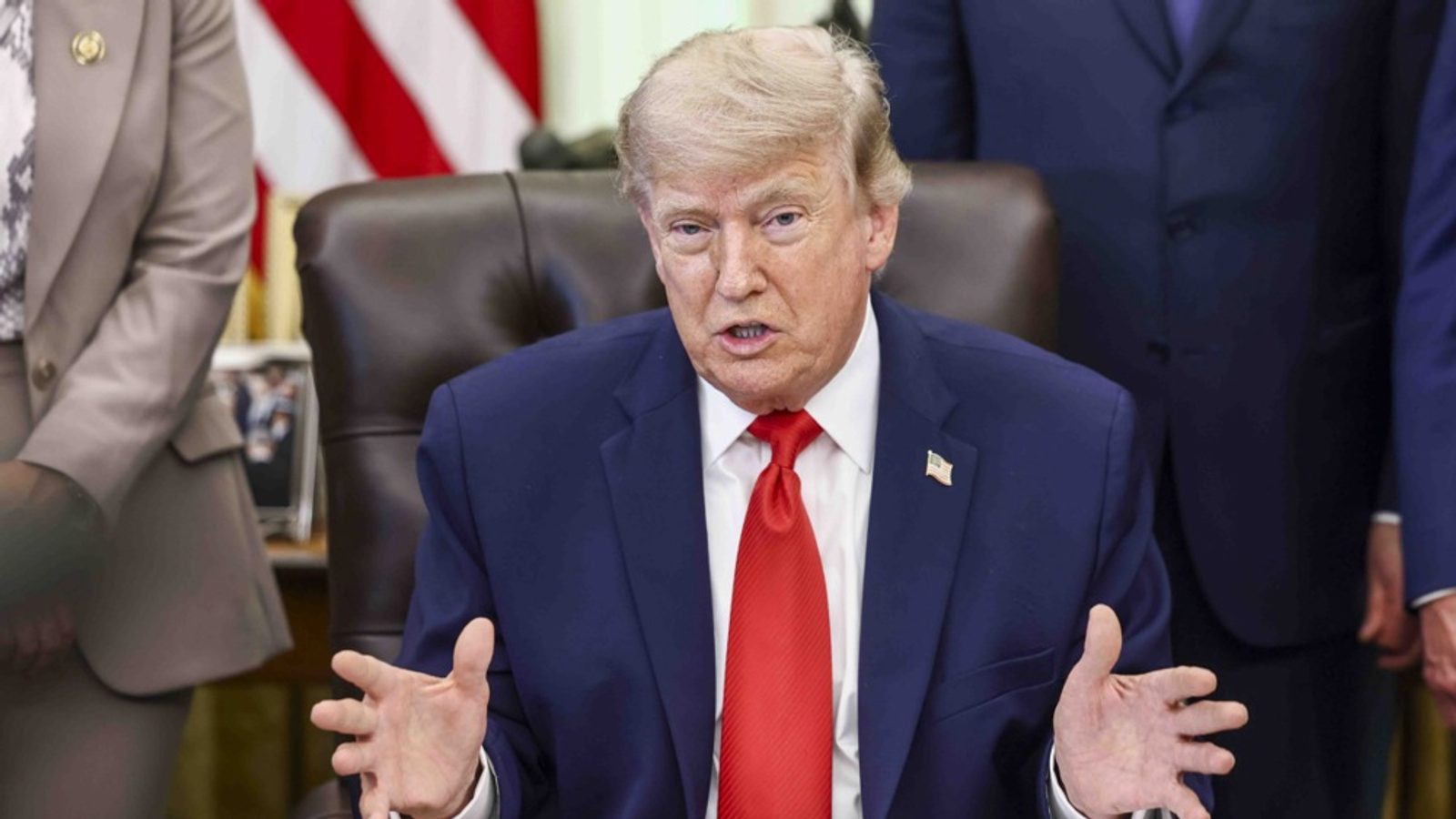
Political scientists see the timing as deliberate. Oleksiy Haran of the Kyiv‑Mohyla Academy said "A hard winter is coming, people are exhausted and everyone is talking about negotiations, Ukrainian representatives and US President Donald Trump," and suggested some comments may be trial balloons ahead of elections. Ihor Chalenko of the Centre for Analysis and Strategy linked the statements to possible talks in Abu Dhabi, where a technical tripartite meeting could discuss sectoral ceasefires and activation of Donald Trump's peace plan. Chalenko said some politicians have good contacts with the US president's team and that Trump wants quick results ahead of the congressional elections on November 3.
Polls complicate the picture: a mid‑September survey by the Kyiv International Institute of Sociology (KIIS) found 75 percent of Ukrainians support negotiations with Russia to end the war, while 21 percent oppose them. KIIS emphasised the question asked only about negotiations, not any potential concessions. Some 69 percent said they would back an immediate ceasefire along the current front line provided Ukraine did not recognise occupied territories as Russian, continued to strengthen its army and moved closer to the EU and NATO. About 62 percent said they were ready to endure the war as long as necessary (72 percent in Kyiv). Seventy‑nine percent believe in a Ukrainian victory, though the share who fully believed in that outcome fell from 60 to 47 percent since the end of July. "Statements by individual politicians do not reflect the views of the majority of Ukrainians," KIIS sociologist Anton Khrushchetsky commented.
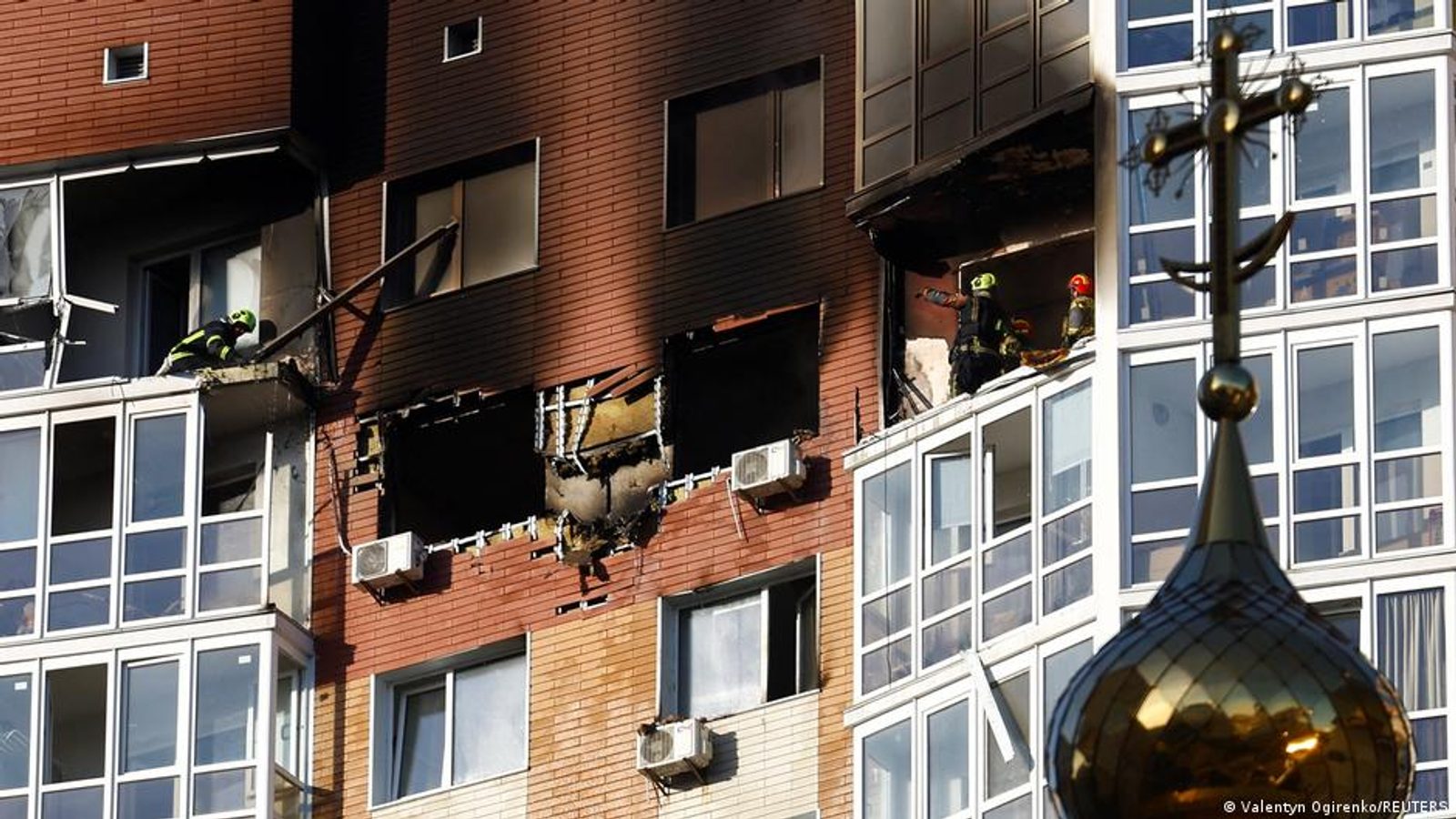
On the question of whether Moscow is prepared to negotiate, analysts point to recent Russian rejections. President Vladimir Putin dismissed proposals for mutual halts to attacks on energy sites and civilian shipping as "nonsense," and Ihor Chalenko said Russia's unwillingness to stop is a fundamental fact. Still, analysts warn that sustained attacks on energy infrastructure, data centres, warehouses and bridges aim to increase pressure on the Ukrainian public so that Kyiv might be pushed toward greater concessions if societal resistance weakens.
Photo: press material from the event