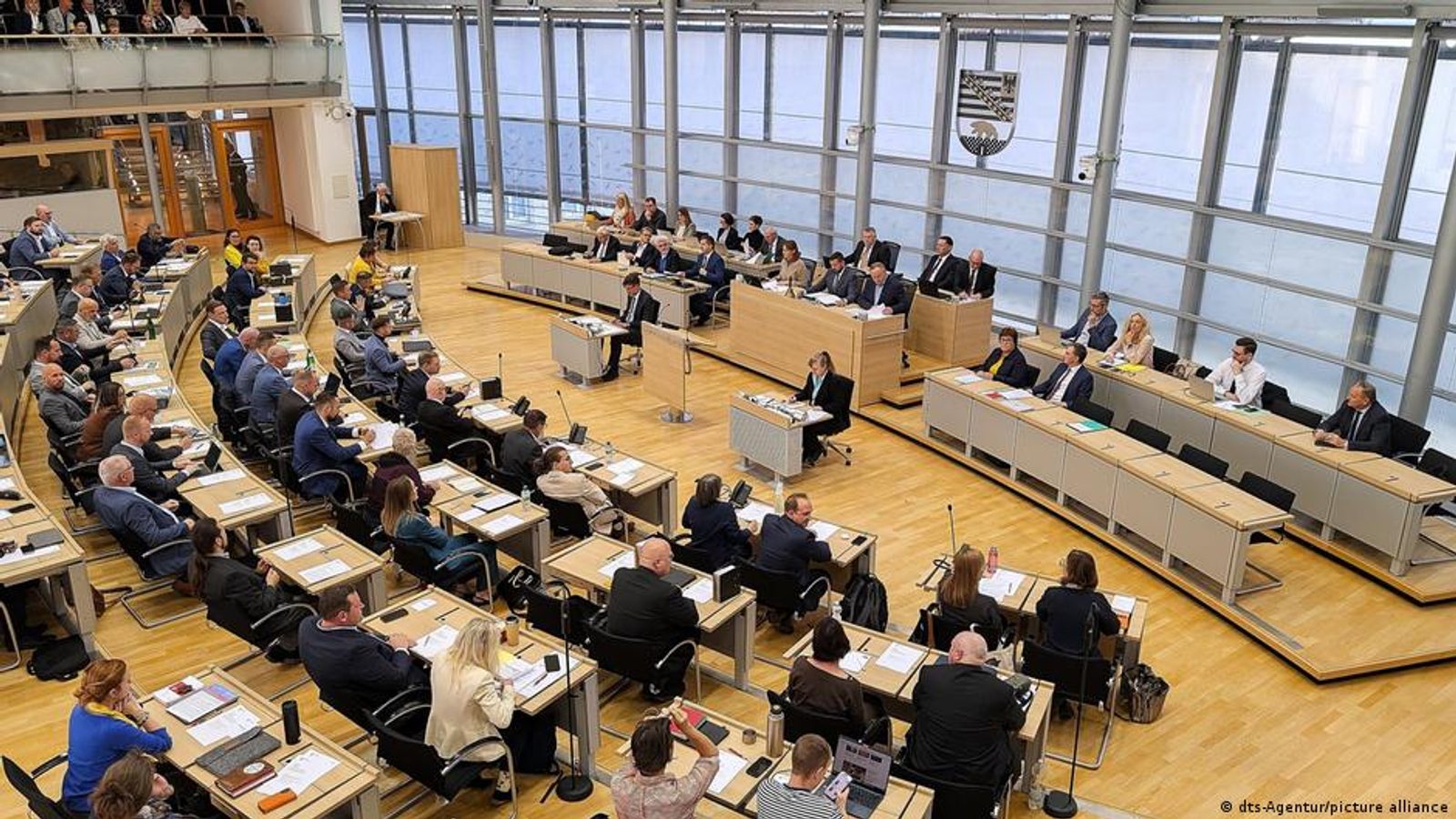
Saxony-Anhalt ahead of a pivotal vote: "We belong here!"
State election on 6 September could hand AfD a historic lead; for residents with migrant backgrounds the vote raises questions of safety and belonging.
State elections in Saxony-Anhalt on 6 September could reshape regional politics: polling shows the Alternative for Germany (AfD) leading with more than 40 percent, while the Christian Democrats (CDU) of Chancellor Friedrich Merz sit around 24 percent. For residents with migrant backgrounds the contest is not only about parties and policies but about belonging and personal security.
Many aspects of the AfD platform are explicitly aimed at restricting migration: sharp cuts to legal immigration levels, stepped-up deportations and measures the party calls “remigration.” At the same time the AfD emphasizes national sovereignty, cultural identity and traditional family values — themes that raise deep concern among people whose lives and work are rooted in the state.
“I believe in a society without borders in which no one must live in fear for their livelihood,” says Mundav from Gambia (name changed for protection), who worries that the current climate in Saxony-Anhalt “is leading to more racism.” She adds that she does not plan to leave the state, though “of course, one must have a plan B.”
Community voices: insecurity and resistance
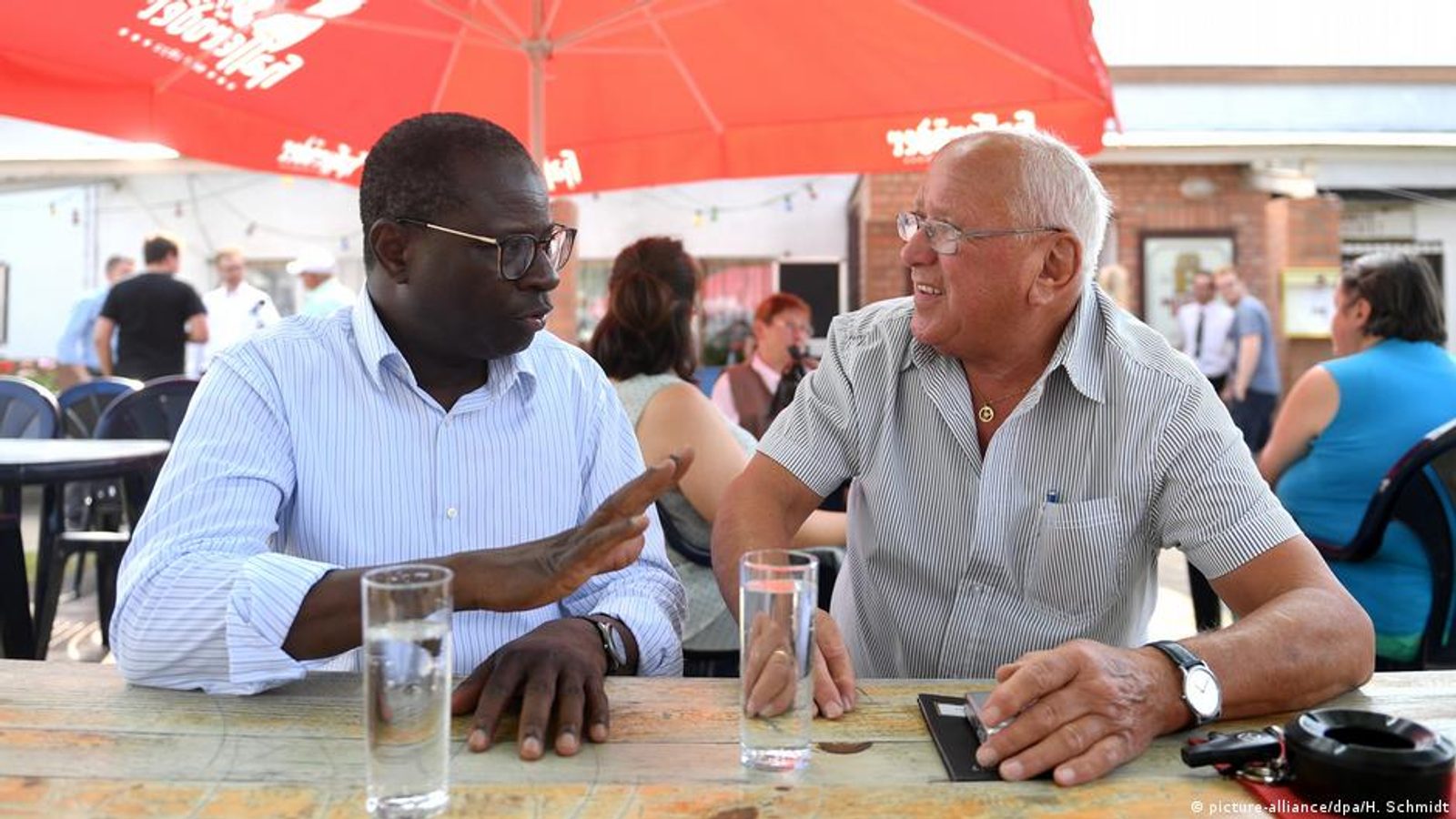
Members of the African and wider migrant communities express a mix of anxiety and determination. Karamba Diaby, a former SPD member of the Bundestag who lived in Saxony-Anhalt for decades, reports hearing young people ask repeatedly whether they will still be allowed to stay in the country. “Of course you can stay here. I am against leaving my federal state if such a majority comes. That would be the last thing we should do,” he says.
Avet Tesfayessus, a Green Party Bundestag deputy born in Eritrea, stresses that the vote is not only “some election for Black people and other people who experience racism.” She warns that when racist and nationalist views gain momentum, people ask themselves “how safe can I feel here and am I recognised as part of this society?”
Others stress civic engagement as an answer. Amidou Traore, an integration consultant and local SPD politician from the Ivory Coast now living in Magdeburg, says he is “totally relaxed. Everyone knows the AfD is a party of hatred and incitement, and those who oppose it try to remain calm.” He adds: “A strong democracy does not need politics that incite people against one another, but solutions for all citizens regardless of origin, religion or social background. That means we are here to help shape life with respect, human dignity and equality. If a party tries to destroy that, it is time to fight and say that we belong here.”
Official figures underline that Saxony-Anhalt is becoming more international, though its share of foreign residents — 7.9 percent — remains below the national average. By the end of 2025 roughly 193,000 people in the state held foreign citizenship, about 10 percent of whom came from African countries. The number of people with international backgrounds has nearly doubled over the past decade, with students, carers, researchers and entrepreneurs contributing across many sectors. If AfD wins, Ulrich Sigmund could become the first AfD state premier.
Photo: press material from the event