EU summit in Brussels: leaders call for more pressure on Russia
EU leaders pledge continued support for Ukraine and distance themselves from Trump’s bid to ease sanctions on Russia.
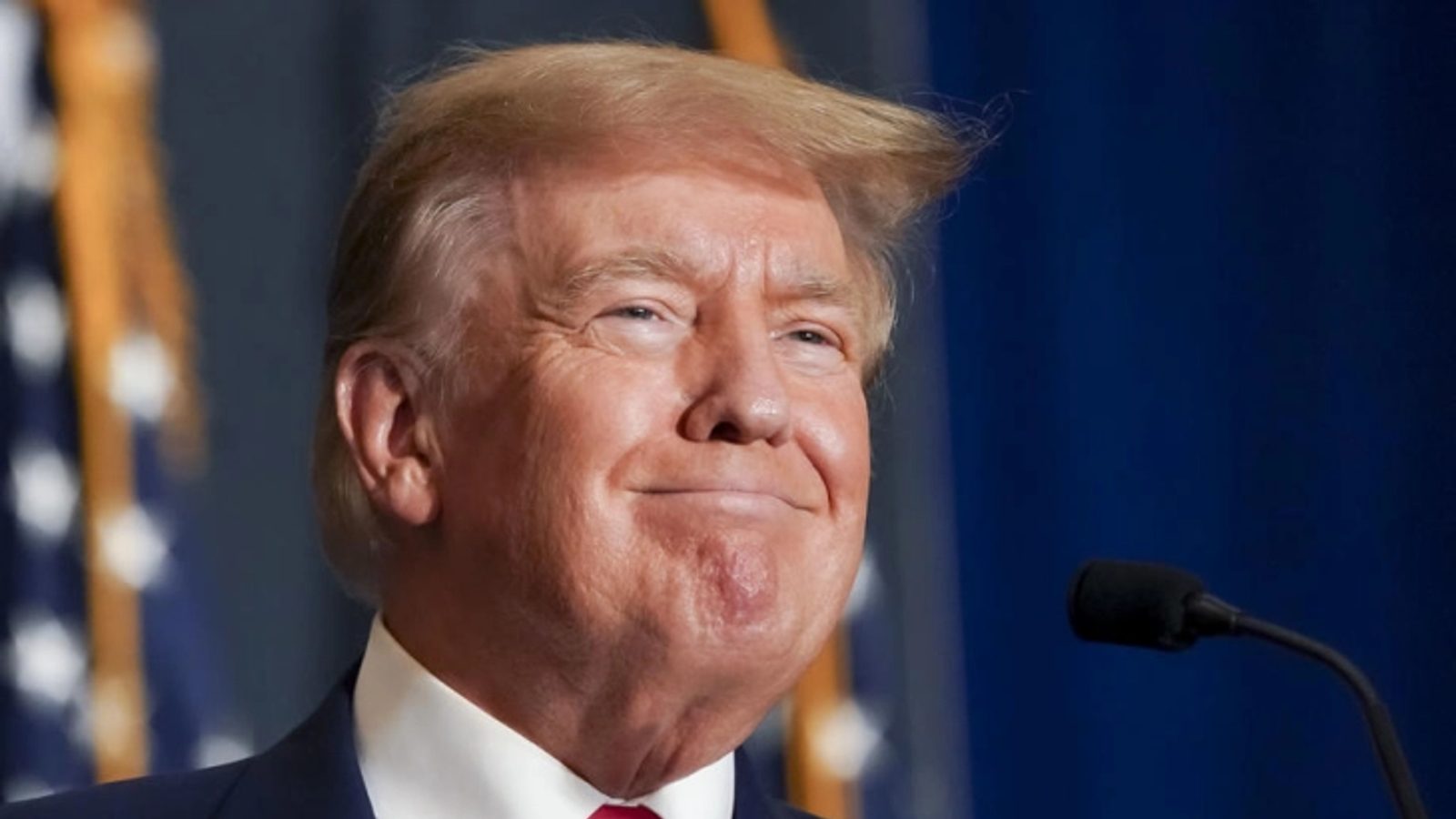
Differences between US President Donald Trump and the European Union over how to respond to Russia’s war in Ukraine overshadowed the second day of the EU summit in Brussels, where support for Kyiv was the central topic.
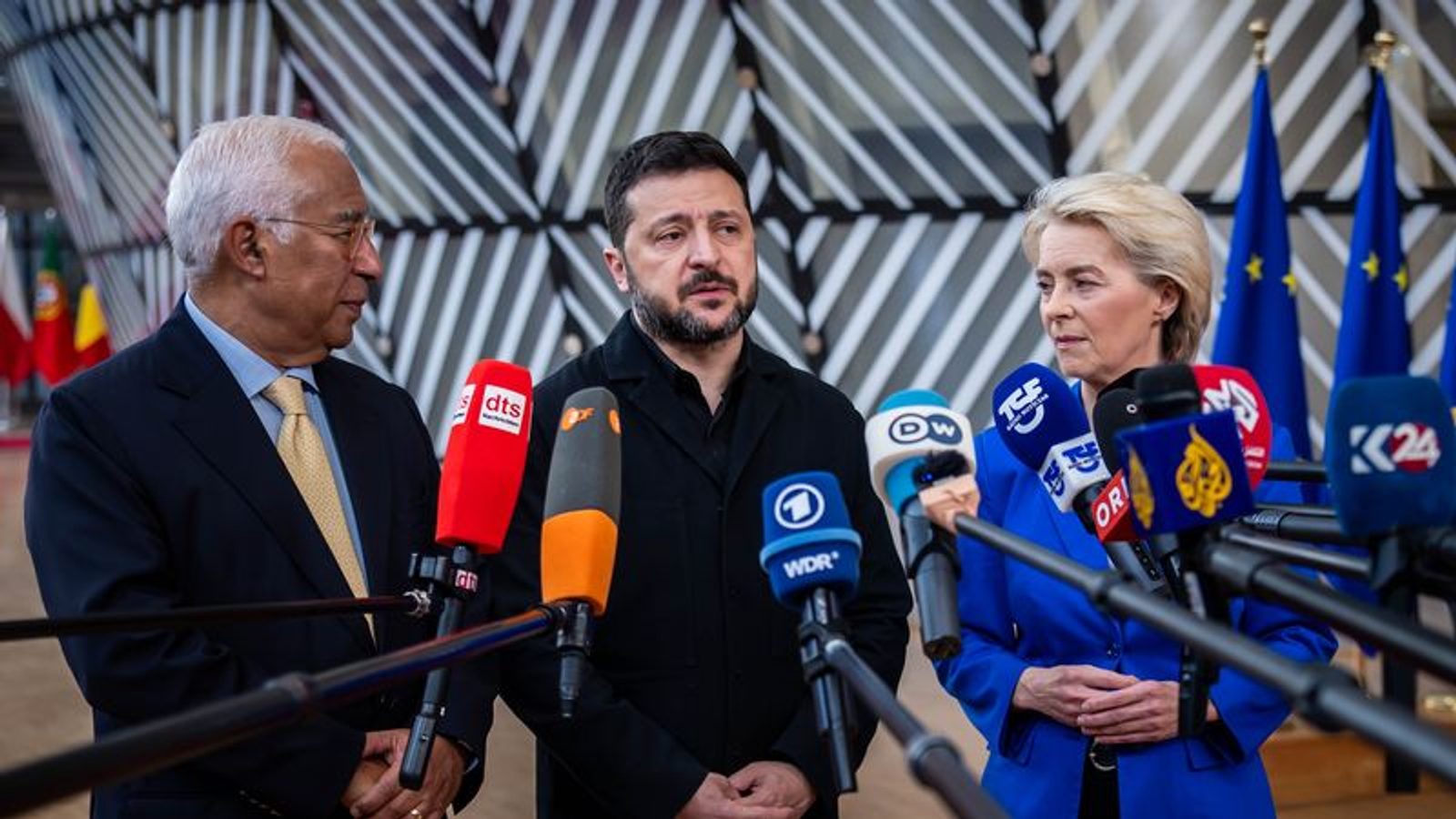
Before the summit sessions, Ukrainian President Volodymyr Zelensky met with European Council President Antonio Costa and European Commission President Ursula von der Leyen and received firm pledges that European assistance will continue.
European leaders distance themselves from Trump’s approach
“Our message to President Zelensky is very simple. The European Union's support for Ukraine remains stronger than ever. This is not the time to pull back support for Ukraine, nor is it the time to ease sanctions on Russia. Now is the time to increase our support and to step up the pressure,” Antonio Costa said.
Ursula von der Leyen warned that a proposed energy truce championed by Trump had not been respected by Moscow and that the EU must respond with firmer measures. “Of course, we supported President Trump's proposal for a ceasefire in the energy sector, but we saw that Russia did not respect it for a single minute. On the contrary, Russia escalated the situation and therefore we must increase the pressure on it. At the moment we are working on the 22nd package of sanctions. And one thing is absolutely clear: we will not lift any sanctions until Russia stops the war,” von der Leyen said.
EU foreign policy chief Kaja Kallas acknowledged the difficulty of bridging the gap with Washington. “Well, that is a really difficult question. I mean, we are trying to convince our American partners that if we want to finish this war, then we must press the aggressor,” Kallas said.
Separately, an exclusive report stated that an order to limit the capacity of the Starlink satellite system — a key asset for Ukrainian battlefield communications and drone strikes — came directly from the White House. The move arrived as Trump was pressing Kyiv to stop attacks on Russian refineries and as he blamed Ukrainian strikes for rising fuel prices at U.S. pumps, an argument he has used in the run-up to November congressional elections.
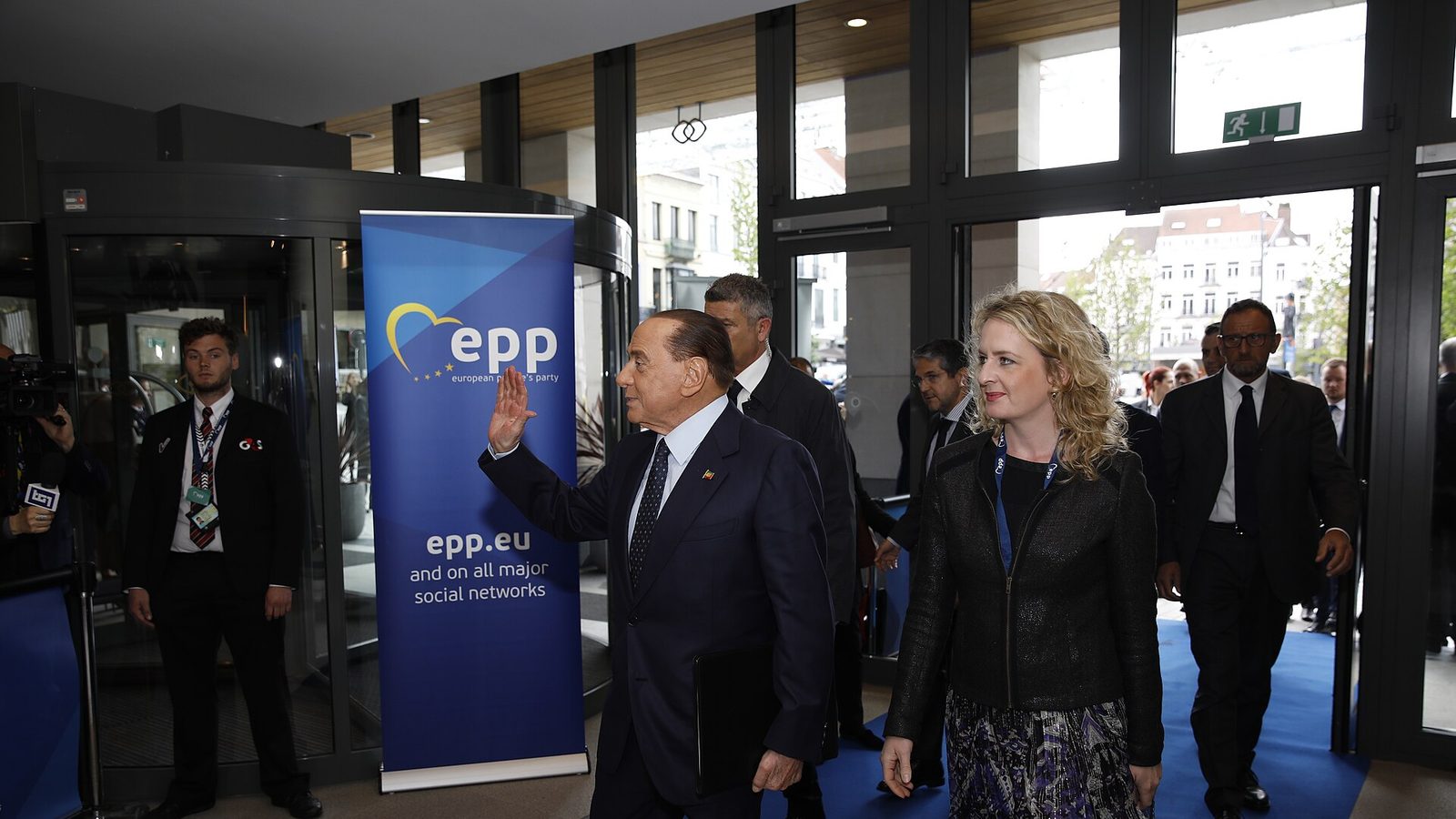
Photo: European People's Party / Wikimedia Commons (CC BY 2.0)