Sardines, seaweed and tinned fish: the affordable superfoods set to define 2027
Smaller portions and a focus on nutrient density are pushing canned fish, seaweeds and fibre-rich legumes into the spotlight.
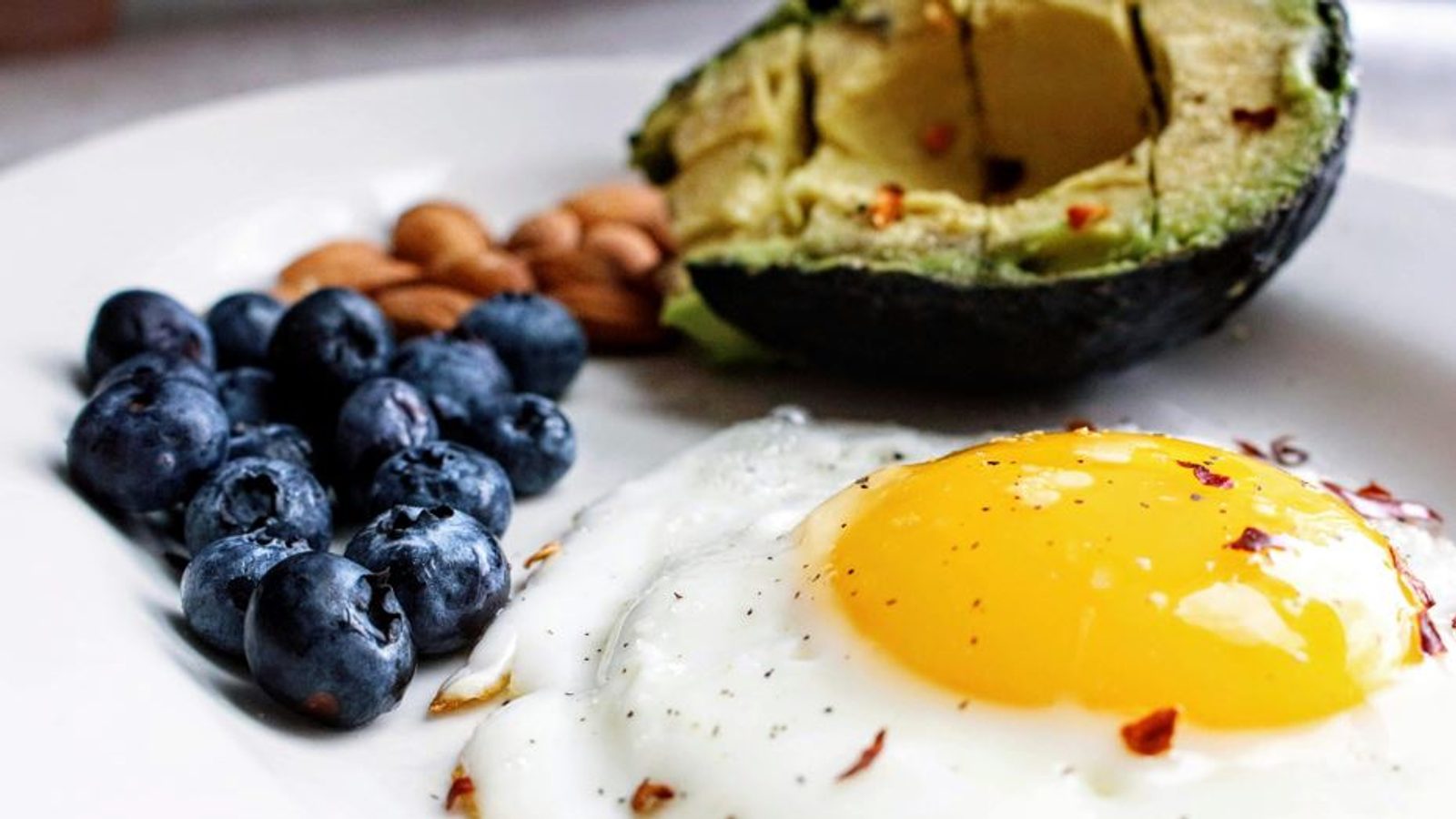
Diet conversations that once celebrated avocados and keto are giving way to a new, pragmatic approach for 2027. Nutrition experts and market analysts in the United States say the emphasis will shift from restriction to packing maximum nutritional value into much smaller portions — a change driven in part by wider use of GLP-1 therapies that have reduced average appetites and portion sizes.
Nutrient-Density Design: eating less, gaining more
The emerging framework, called "Nutrient-Density Design," insists that when people eat less volume overall, every bite must serve a clear biological purpose. Rather than listing what to avoid, the model prescribes three pillars: concentrated proteins, prebiotic fibre and bioactive micronutrients. Meals are being redesigned as compact formulas that protect muscle mass, feed the gut microbiome and sustain energy.
That practical rethinking is already reshaping menus and shopping lists. Consumers favour combinations that deliver big effects in small portions — legumes paired with fermented grains, minimally processed protein sources and foods targeted at digestive health. U.S. nutritionists argue this approach replaces the old low-carb or elimination regimes with evidence-based meal construction.
At the same time a distinct set of foods — labelled locally as "blue foods" — is surging into popularity. Modest, shelf-stable items such as sardines, mackerel and various seaweeds are now central to the conversation about affordable, functional eating. The movement around canned seafood, sometimes described as the "tinned fish trend," has become a cultural and gastronomic phenomenon in the American market.
Experts in metropolitan hubs have even given these products striking nicknames: sardines, oysters and other small seafood are praised as a "natural botox in a can" because of their dense supply of EPA and DHA, readily absorbable zinc, vitamin D, selenium and collagen-supporting nutrients. Alongside them, kelp and spirulina are being blended into smoothies and sauces to return iodine and other minerals lost from depleted agricultural soils.
Finally, 2027 also marks a renewed spotlight on plant fibre. Lentils, chickpeas and black beans are moving from side dishes to foundational ingredients for new pastas, crackers and even desserts. Combined with fermented foods like kefir, kimchi and sourdough, these choices are being promoted as affordable, functional tools for longevity, cognitive resilience and overall skin and metabolic health.
Photo: peksels