Nenad Saveski urges citizens to report corruption; investigation length should not discourage
Saveski says complexity of cases and need for reliable evidence explain delays; Alta Bank probe will be disclosed when legally possible.
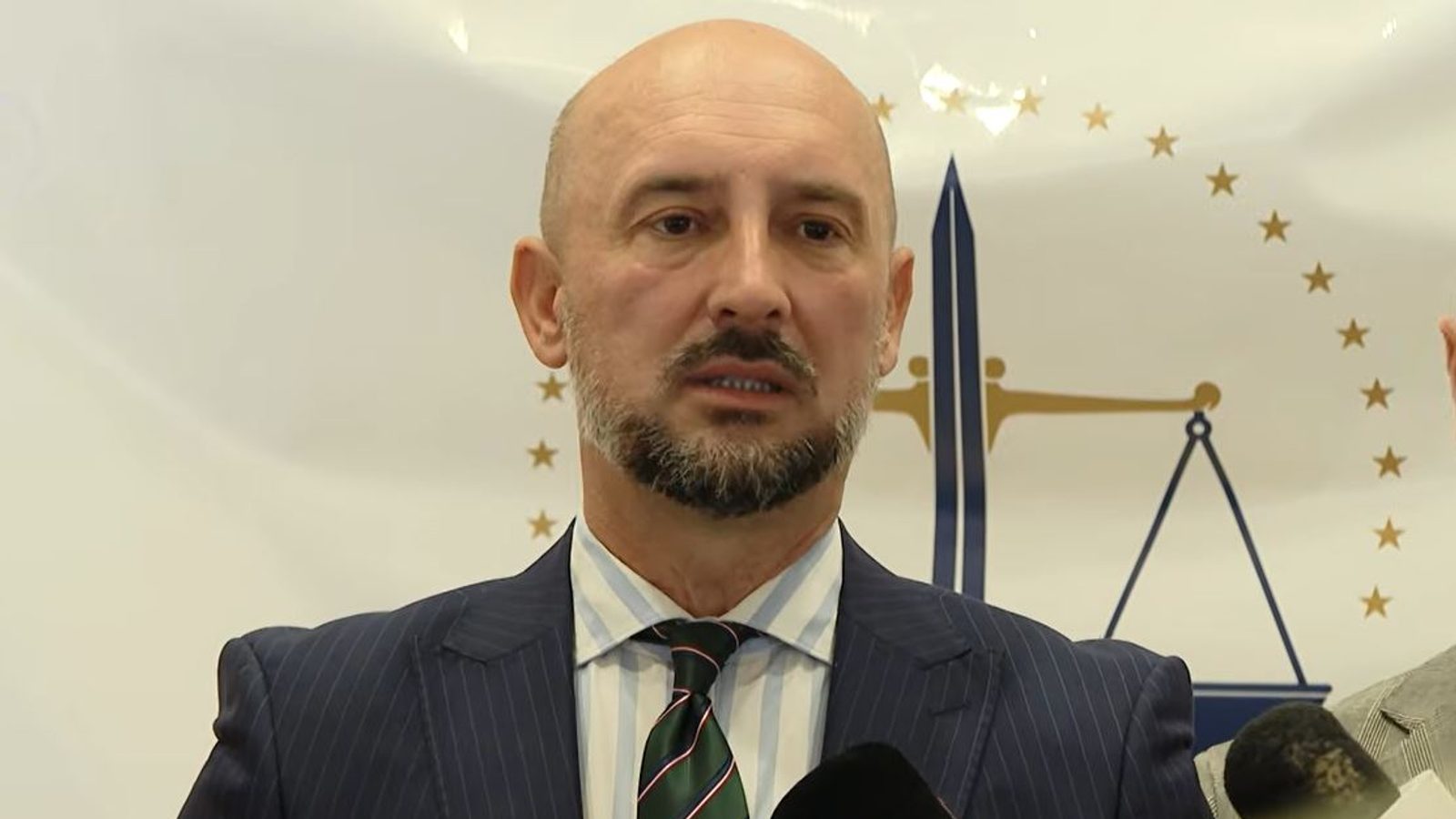
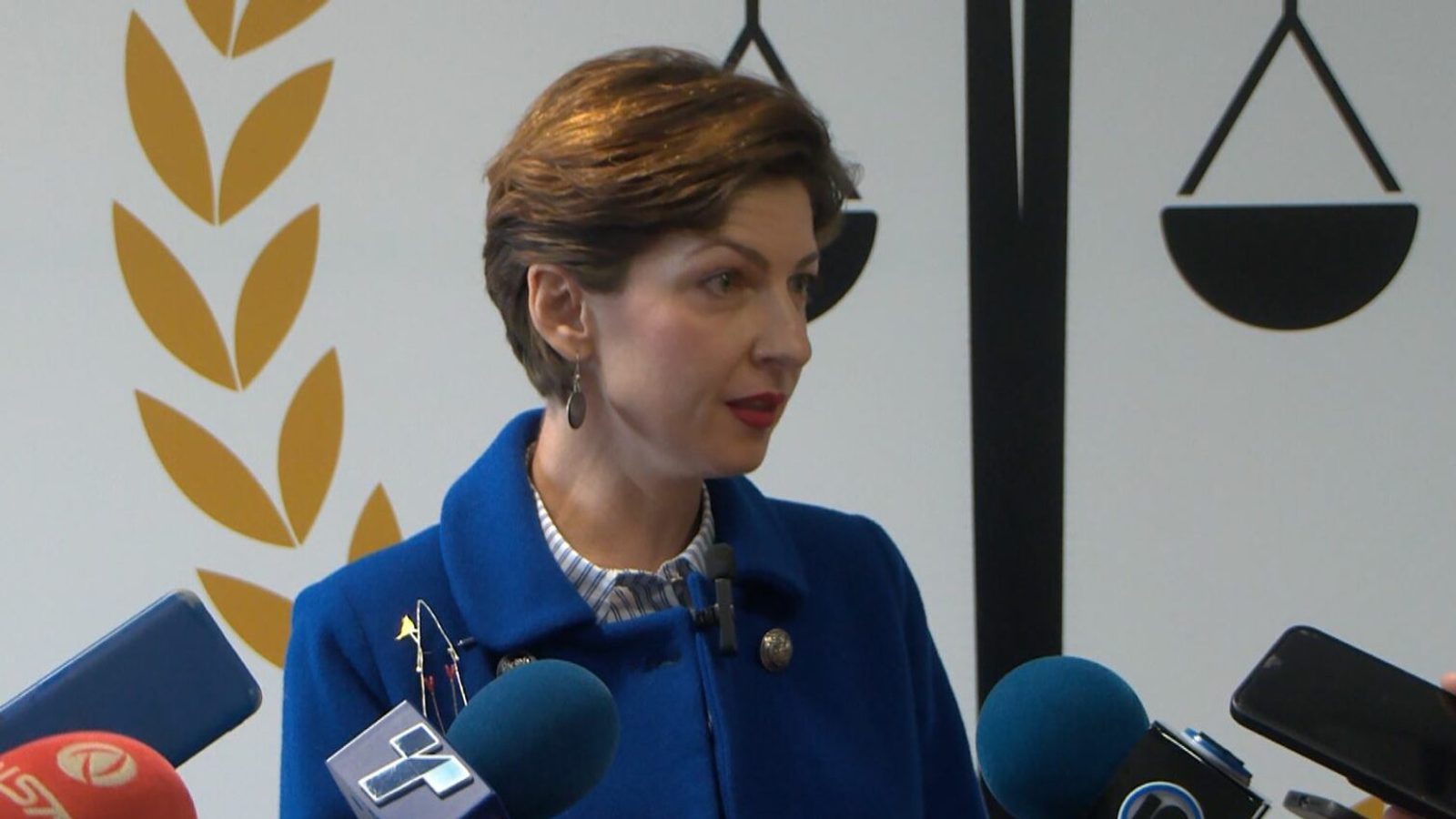
State Public Prosecutor Nenad Saveski urged citizens to report corruption to the competent prosecution offices and warned that the length of prosecutorial procedures should not discourage reporting. He made the appeal after meeting the newly appointed head of the Basic Public Prosecutor's Office for Prosecution of Organized Crime and Corruption, Iskra Hadzi Vasileva, and her predecessor, Islam Abazi.
Why investigations can take time
Saveski acknowledged concerns about lengthy cases but stressed that duration depends on the complexity of the matter and on investigative actions that cannot always be executed quickly. He said the priority is to gather robust evidence that will convince not only prosecutors but also the public and those affected by the decisions.
In his words: "The duration of those procedures from the reporting to a prosecutorial decision depends on the complexity of the case itself, that is, all investigative actions that are undertaken cannot always be taken quickly or from what has been taken to quickly reach evidentiary material."
Islam Abazi, the outgoing head of the prosecution for organized crime and corruption, offered an example from bribery reports. He said that in cases where someone reports an active demand for a bribe, the office has acted immediately.
Abazi said: "We have acted the same day in such cases if someone told us, came to us, for example with the prosecutor we had such cases. They come, say someone demanded a bribe, we act the same day. However, when there is an event and someone reports actions that took place a year ago, two years ago, we must verify those allegations in the report and check the credibility of that report and of the injured party's statement. That is the difference."
Saveski also commented on sensitive ongoing proceedings, including the trial that began one year ago over the fire at the so-called "Puls" cabaret in Kočani. He said courtroom conduct and the pace of the judicial process are under the court's control and declined to assess the trial in public to avoid influencing the court: "What happens in the courtroom and the course of the judicial proceedings are under the guidance of the court, that is, the trial chamber that leads the case, so if I were to give my assessment of the progress, it could be seen as trying to influence the work of the court."
Regarding allegations about the indictment in the Puls case, he described many of the public criticisms as non-procedural and therefore not decisive for the legal process. He urged both defense and prosecutors to use procedural tools in court rather than wage arguments in public, warning against creating a picture that could lead to secondary victimization of the victims' families.
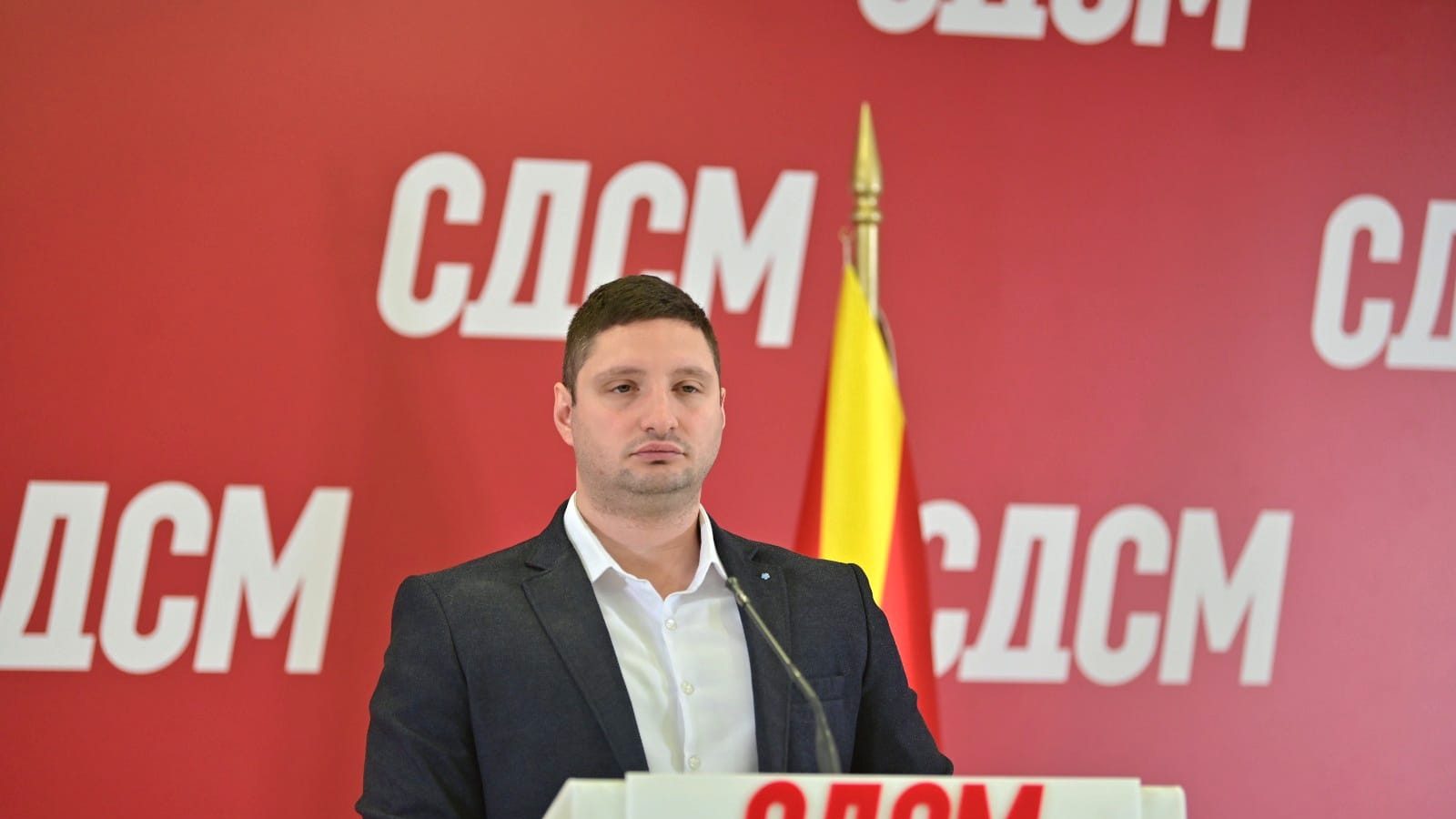
On the Alta Bank matter, which prompted reports from governor Trajko Slaveski and the opposition SDSM, Saveski said the public will be informed in due time once the prosecution reaches a stage where it is possible to speak about the case: "For now we cannot speak. The law limits us."
On institutional finances, he noted the prosecution is awaiting the outcome of this year's budget rebalance; next year's draft budget again plans funding below the 0.4 percent threshold. Hadzi Vasileva described a slight budget increase as a positive signal but emphasized staffing and other resource gaps remain acute.
Photo: press material from the event