One in nine migratory bird species worldwide is threatened, report finds
The State of the World's Birds report shown in Nairobi says coordinated protection across entire flyways and new funding can reverse declines
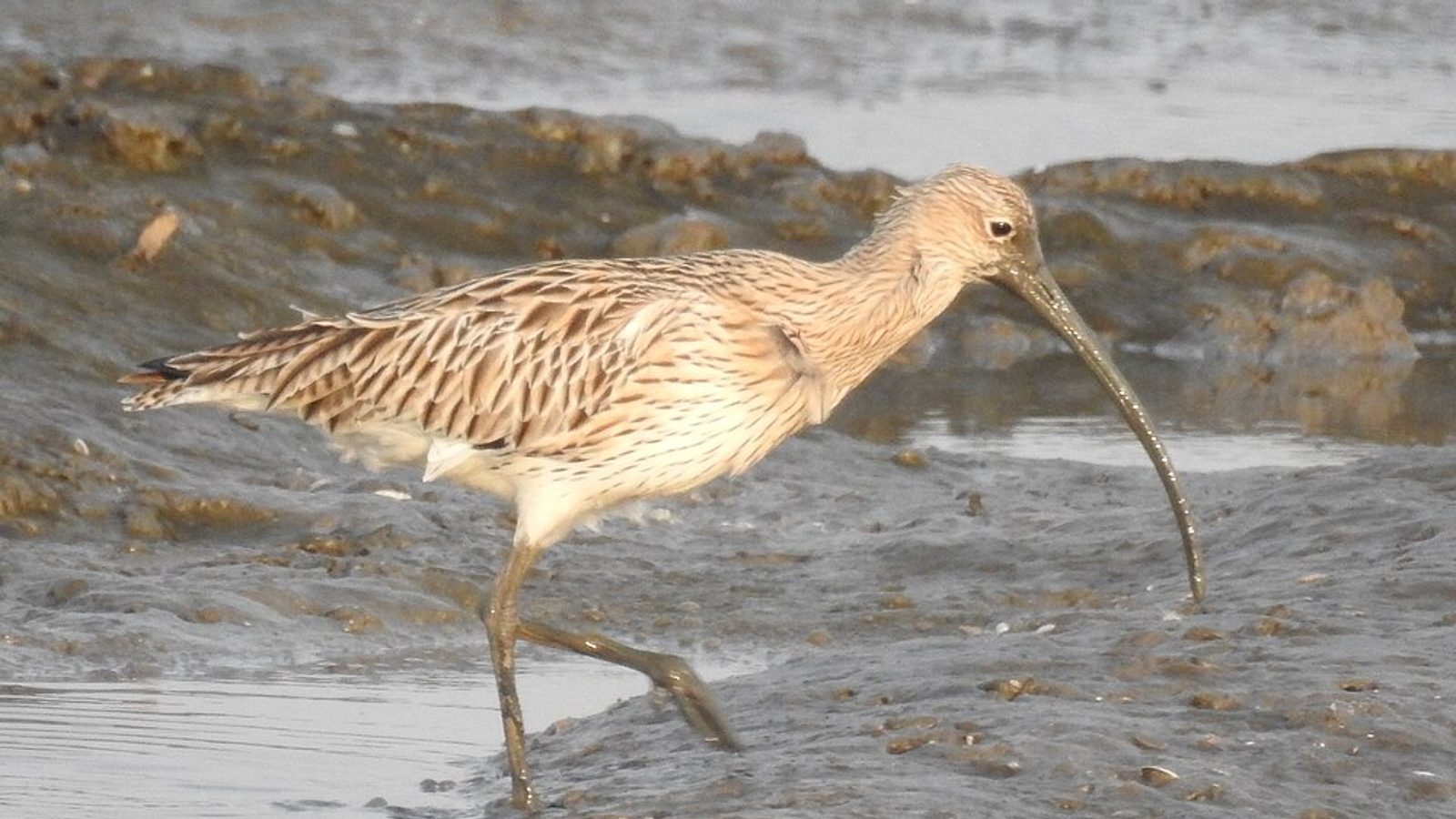
A major global assessment presented at the Global Flyways Summit in Nairobi, Kenya, warns that migratory birds are vanishing at alarming rates: 45% of migratory species are in decline and "every ninth species is threatened with extinction," the report State of the World's Birds finds.
The summit brought together conservation leaders, scientists and organisations from around the world. Robertina Brajanoska, director of the Macedonian Ecological Society (MED), attended as part of the 125 BirdLife International partners who took part in the conference.
Key findings and a recent extinction
The report highlights stark losses among species dependent on marine, forest and coastal wetland habitats. It records that the slender-billed curlew (Numenius tenuirostris) was declared extinct in 2025; its last confirmed sighting was recorded in a Moroccan lagoon in February 1995. In addition, six other migratory species have been confirmed or are believed to have gone extinct in the past 150 years.
Conservationists blame well-known human pressures: invasive species, agricultural intensification, climate change and unsustainable hunting. "The report unequivocally shows that we are losing migratory birds at an alarming rate, but also that when agricultural, fishing and land-use practices are addressed along the entire migratory route, rather than only at isolated sites, bird populations respond positively," the Macedonian Ecological Society said.
MED also highlighted recent financing for protection: "At the same time, from 2021 onwards development banks have mobilised more than 6 billion dollars to fund protection. Together, these steps represent a significant leap towards a coordinated global response to safeguard flyways," the society said.
Delegates at the Nairobi summit signed the Nairobi Declaration for Flyways, a commitment that asks governments, the scientific community, civil society and financial institutions to step up cooperation and funding for the protection of migratory birds and their habitats across national borders.
Dr Stuart Butchart, chief scientist at BirdLife International and lead editor of the State of the World's Birds report, underlined that coordinated action works: "Migratory birds are sentinels of the state of nature, and their declines point to increased pressure on the natural systems we depend on. But science also clearly shows that conservation works – coordinated actions can prevent extinctions and help populations recover. Solutions exist: what is now needed is to apply them along the whole migratory route."
The report and the summit emphasise a shift in conservation strategy: protecting entire flyways rather than piecemeal sites, so that breeding grounds, stopover locations and non-breeding areas are managed together to give migratory species a fighting chance.
Photo: Wikipedia Commons / Dr. Raju Kasambe